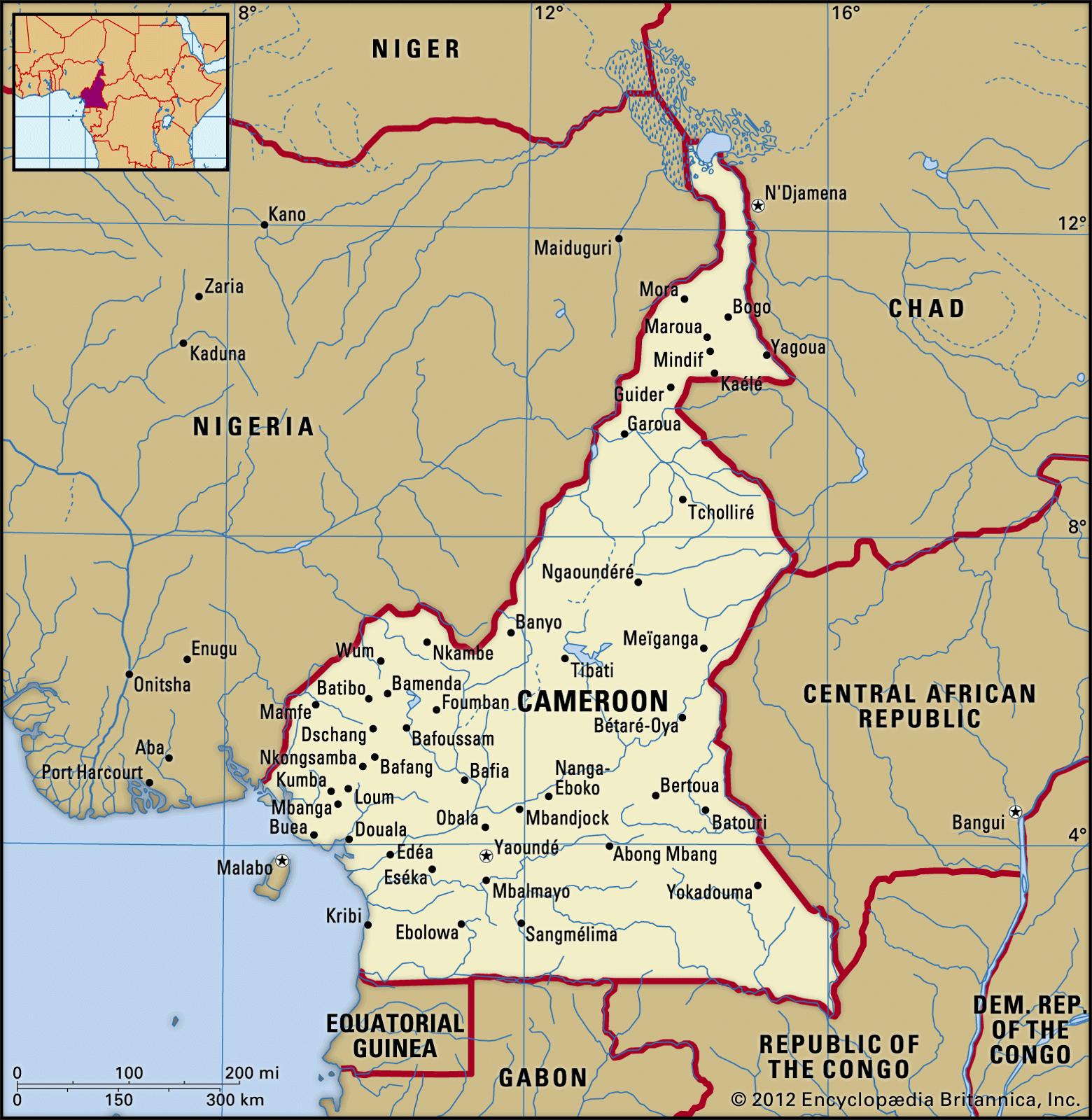
Introduction:
Nestled in Central Africa, Cameroon is facing a severe humanitarian emergency that has largely escaped widespread global awareness. Escalating violence and unrest in the country’s English-speaking regions have uprooted close to one million people, compelling them to flee their homes and seek refuge elsewhere. This crisis, overshadowed by other international conflicts, carries significant consequences for regional peace and the well-being of displaced communities. Humanitarian agencies are urgently appealing for increased support as political instability and economic hardships deepen the suffering of those affected. This article explores the multifaceted nature of Cameroon’s overlooked crisis, shedding light on the challenges faced by displaced populations and examining international responses.
Cameroon’s Hidden Humanitarian Crisis: The Scale and Impact of Displacement
Cameroon is currently enduring a profound humanitarian challenge primarily concentrated in its Anglophone regions where armed conflict persists. The turmoil has forced nearly one million individuals to abandon their homes, fracturing communities and disrupting social cohesion across vast areas. Many internally displaced persons (IDPs) find themselves living under precarious conditions—often crowded into makeshift shelters or dependent on host families—with limited access to fundamental necessities such as nutritious food, potable water, sanitation facilities, and healthcare services.
The protracted nature of displacement means many cannot return safely or rebuild stable livelihoods anytime soon. This prolonged uncertainty exacerbates psychological distress among affected populations while increasing vulnerability to malnutrition and disease outbreaks.
Humanitarian actors face numerous obstacles in delivering aid effectively due to ongoing insecurity along supply routes coupled with logistical constraints within remote areas. Critical concerns include:
- Safe Shelter Availability: Overcrowding in camps strains resources; many lack adequate protection from environmental hazards.
- Food Scarcity: Disruption of farming activities leads to heightened food insecurity among displaced households.
- Healthcare Access Deficits: Medical infrastructure damage limits treatment options for both chronic illnesses and emergency care.
To contextualize this crisis further:
| Key Indicator | Current Estimate |
|---|---|
| Total Internally Displaced Persons (IDPs) | Approximately 950,000 |
| Cameronian Refugees Registered Abroad | Around 110,000 (mainly in Nigeria & Chad) |
| Active Humanitarian Organizations Operating Locally | More than 55 agencies |
Unpacking the Root Causes Behind Cameroon’s Conflict-Induced Displacement
Despite its severity, Cameroon’s humanitarian emergency remains insufficiently addressed at an international level—a gap that allows underlying tensions fueling displacement to persist unchecked. Understanding these foundational issues is essential for crafting effective solutions:
- Political Turmoil: The separatist insurgency within Anglophone provinces has triggered governance breakdowns marked by violent confrontations between state forces and armed groups.
- Economic Hardships: Endemic poverty combined with inadequate public services intensifies vulnerabilities among marginalized populations caught amid conflict zones.
- Systematic Rights Abuses: Documented violations—including arbitrary arrests, extrajudicial killings,and forced recruitment—perpetuate cycles of fearand displacement across communities.
< /ul >Resolving these complex challenges demands more than temporary relief efforts; it requires sustained diplomatic engagement involving all relevant parties aimed at fostering dialogue toward peaceful coexistence.
Recommended approaches include:
- < strong >Emergency Relief Provision: Rapid deploymentof food supplies,shelter materials,and medical aidto alleviate immediate sufferingamong IDPsand refugees.< / li >
- < strong >Governance Reforms: Encouraging inclusive policymakingby Cameroonian authoritiesto address grievances relatedto representationand equitable resource distribution.< / li >
- < strong >Global Advocacy Campaigns: Mobilizing NGOsand intergovernmental organizations topromote accountabilityfor human rights abuseswhile raising awarenessaboutthe ongoing crisis.< / li >
< / ul >
Strategic Approaches Toward Supporting Cameroon’s Displaced Communities’ Recovery
With nearly a million people uprooted from their homes due to persistent violence,institutionalized strategies are vital for facilitating recovery processes that prioritize dignity,resilience,and long-term stability.
Central to success is empowering local actors who possess intimate knowledgeof community dynamics; enabling grassroots organizations enhances ownership over humanitarian initiatives while ensuring culturally appropriate interventions.
Moreover,fostering collaboration between NGOs,state institutions,and international partners creates synergies necessaryfor comprehensive assistance delivery.Mental health support must be integrated alongside physical aid,to address trauma stemming from conflict exposure effectively.
Economic empowerment programs tailored specificallytowards displaced individuals can promote self-reliance.These may encompass vocational training aligned with regional labor market demands,equipping beneficiarieswith skills neededfor sustainable employment opportunities.A systematic assessment mapping existing resources against unmet needs will optimize allocation efficiency across sectors.The table below outlines priority intervention domains:
Main Focus Area Suggeste d Actions/Programs< / th > < td style = "width:50%" data - type = "text" data - value = "Housing" aria - label = "Housing" tabindex = "-1" role = "gridcell" spellcheck = "false" autocorrect= "off" autocapitalize= "off"> Housing< / td >< td style= "width:50%" data-type= "text" data-value= "Provide transitional shelters; assist reconstruction efforts." aria-label= "" tabindex="-1" role="gridcell" spellcheck="false" autocorrect="off" autocapitalize ="off"> Provide transitional shelters; assist reconstruction efforts.< / td > < td style ="width :50%" data-type ="text" data-value ="Healthcare" aria-label ="Healthcare" tabindex ="-1" role ="gridcell" spellcheck ="false" autocorrect = “ off ” autocapitalize = “ off ” >Thealthcare< / td >< td style = “ width :50% ” data-type = “ text ” data-value = “ Expand access tomedicalservices including mental health counseling.” aria-label="" tabindex="-1" role = “ gridcell ” spellcheck = “ false ” autocorrect = “ off ” autocapitalize = “ off ” >Thealthcare services including mental health counseling.
< td style=" width :50%" data-type=" text " data-value=" Education " aria-label=" Education " tabindex="-1 " role=" gridcell " spellcheck=" false " autocorrect=" off " autocapitalize=" off "> Education< / td >< td style = “ width :50% ” data-type = “ text ” data-value = “ Implement inclusive schooling programs targeting displaced children.” aria-label="" tabindex="-1" role = “ gridcell ” spellcheck = “ false ” autocorrect = “ off ” autocapitalize = “ off "> Implement inclusive schooling programs targeting displaced children.
< /
< nnnnn Conclusion
nnThe unfolding humanitarian disaster in Cameroon highlights an urgent call for global solidarity as nearly one million people remain forcibly displaced amid escalating violence.u00A0Local infrastructures strain under pressure while neighboring countries absorb refugee flows,u00A0underscoring regional repercussions beyond national borders.u00A0Addressing this forgotten tragedy requires unified action from governments,u00A0international bodies,u00A0and civil society alike.u00A0By tackling root causes through political dialogue,reform initiatives,and robust advocacy alongside immediate relief measures,we can pave pathways toward restoring hope,dignity,and security.u00A0It is imperative that this crisis no longer remains invisible but becomes central within global humanitarian priorities.n
Related Posts