Overview: Rising Maritime Engagement in Bangladesh
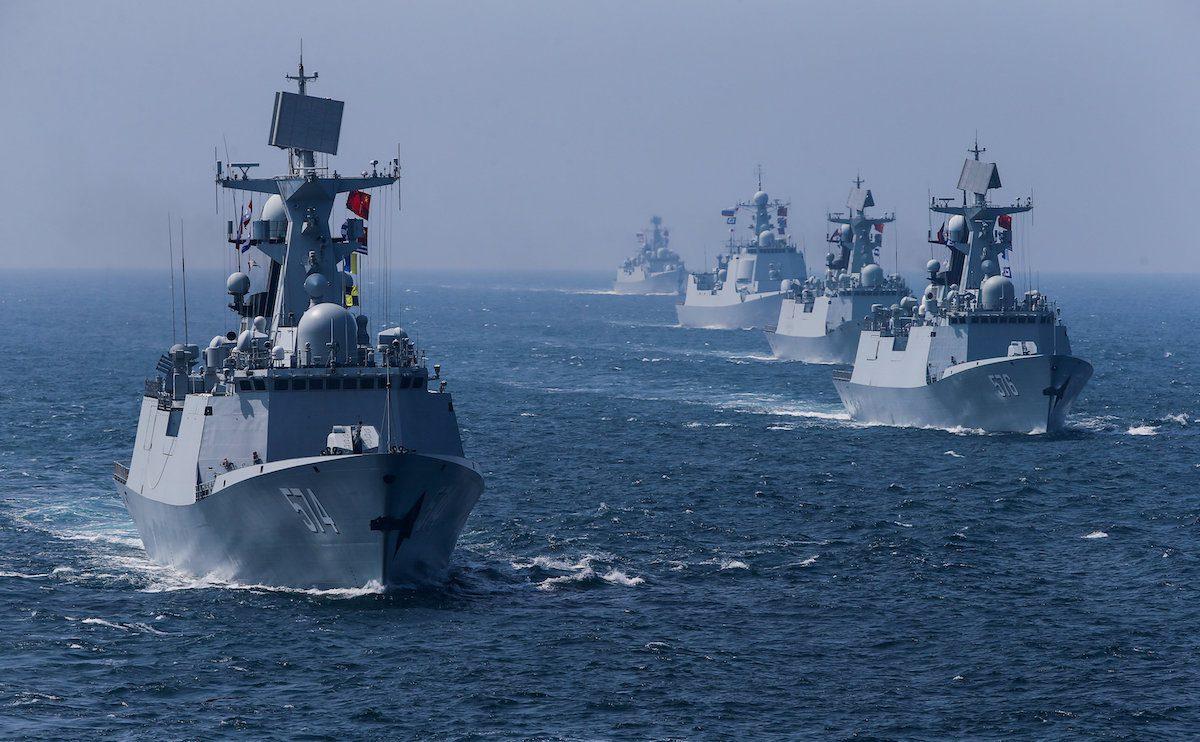
In recent months, Bangladesh has emerged as a critical hub for maritime operations, notably marked by the expanding footprint of the Chinese naval fleet within its territorial waters. China’s strategic push into South Asia is reshaping regional dynamics, prompting analysts and policymakers to scrutinize the multifaceted consequences of this growing partnership. This article delves into the operational goals behind China’s maritime expansion in Bangladesh, assesses its economic significance for Dhaka, and examines wider geopolitical effects that could redefine control over key sea lanes in the Bay of Bengal and adjacent regions.
Economic and Trade Consequences of Chinese Maritime Growth in Bangladesh
The bolstered presence of Chinese vessels along Bangladesh’s coastline is set to influence trade flows and economic development profoundly. Beyond increasing shipping capacity, this expansion enhances logistical networks vital for streamlining exports—particularly from thriving sectors such as ready-made garments (RMG) and agricultural produce. According to recent data from the Export Promotion Bureau (EPB), Bangladesh’s export earnings surged by 15% year-on-year in 2023, underscoring how improved maritime connectivity can accelerate market access.
This enhanced fleet capability facilitates more efficient supply chains by reducing transit times between Bangladeshi ports like Chattogram and global markets including Europe and Southeast Asia. Consequently, foreign direct investment (FDI) inflows may rise as international companies capitalize on these improved transport corridors.
Nevertheless, concerns persist regarding potential overreliance on China economically. Critics warn that contractual terms might disproportionately favor Chinese enterprises while limiting opportunities for local workforce advancement into higher-value roles such as ship maintenance or logistics management. Environmental risks also loom large; increased vessel traffic raises threats to marine ecosystems through pollution or habitat disruption—a challenge compounded by climate change vulnerabilities faced by coastal communities.
To maximize benefits while safeguarding sovereignty and sustainability, stakeholders must rigorously evaluate long-term impacts through comprehensive environmental impact assessments (EIAs) alongside transparent contract negotiations.
Strategic Challenges and Sovereignty Issues Arising from Chinese Naval Expansion
China’s growing naval activities near Bangladeshi shores have sparked intense debate about sovereignty rights and regional security stability. While ostensibly focused on commercial interests, these deployments carry implicit strategic weight—potentially serving Beijing’s broader ambitions to assert influence across contested maritime zones within South Asia.
Neighboring countries are closely monitoring developments; India has intensified surveillance efforts along its eastern seaboard amid fears that expanded Chinese presence could alter power balances in the Bay of Bengal corridor—a vital artery connecting South Asia with Southeast Asian economies.
Addressing these sovereignty concerns demands proactive diplomatic engagement coupled with multilateral cooperation frameworks designed to reduce tensions without compromising national autonomy. Key initiatives include:
- Coordinated Naval Drills: Joint exercises involving regional navies can build trust while enhancing interoperability.
- Shared Resource Management: Agreements ensuring equitable exploitation of fisheries or seabed minerals help prevent conflicts.
- Regional Security Forums: Platforms facilitating dialogue among littoral states promote transparency around military movements.
| Nation | Status of Naval Presence | Main Concerns Raised |
|---|---|---|
| Bangladesh | Growing Number of Chinese Vessels Docked/Operating Locally | Sovereignty Integrity; Risk of Regional Friction |
| India | Tightened Monitoring & Strategic Countermeasures Along Eastern Coastline | Curbing Expanding Influence; Maintaining Regional Balance |
The complexity surrounding China’s naval growth necessitates a balanced approach combining vigilance with collaboration rooted firmly in international law governing maritime boundaries under UNCLOS provisions. By fostering inclusive dialogues involving all affected parties—including Myanmar which shows interest in cooperative ventures—Bangladesh can champion a framework prioritizing peaceful coexistence alongside mutual prosperity.
Guidelines for Responsible Partnerships: Aligning Development Initiatives with National Priorities
Navigating geopolitical intricacies requires Dhaka to pursue sustainable partnerships that harmonize infrastructure growth with safeguarding sovereign interests.
Key recommendations include:
- Energizing Local Economies: Infrastructure projects should prioritize hiring local labor forces extensively while promoting skill development programs tailored toward emerging industries linked to port operations.
- Cultivating Transparency Mechanisms: Open disclosure regarding project financing structures will mitigate corruption risks enhancing public confidence throughout implementation phases.
- Cultural Integration Efforts: Respectful engagement respecting indigenous traditions ensures smoother community acceptance minimizing social friction often associated with large-scale developments.
- Sustainability Mandates: Mandatory environmental audits must be integrated early during planning stages emphasizing climate resilience measures aligned with national biodiversity conservation goals.
A collaborative governance model uniting government bodies, civil society organizations, private sector stakeholders—and affected communities—is essential for holistic oversight.
Establishing an independent monitoring committee tasked specifically with evaluating ongoing projects’ socio-economic outcomes will enable timely course corrections where necessary.
Conclusion: Reflecting on an Evolving Maritime Landscape in Bangladesh
The intensifying deployment of China’s fleet near Bangladeshi shores signals a transformative phase within regional maritime affairs. As Beijing deepens economic ties through investments spanning port infrastructure upgrades to trade facilitation agreements worth billions annually—the stakes extend well beyond commerce alone.
For instance, according to UNCTAD reports released earlier this year (2024), foreign investment inflows into Bangladesh’s transport sector increased by nearly 20%, partly driven by enhanced bilateral cooperation facilitated via expanded sea routes.
Yet balancing these opportunities against challenges related to sovereignty preservation remains paramount.
Dhaka faces a delicate task: leveraging newfound connectivity advantages without ceding critical control over strategic assets or compromising ecological integrity.
Ongoing vigilance combined with inclusive diplomacy will shape how effectively Bangladesh navigates this complex environment moving forward.
Ultimately,the evolving narrative surrounding China’s naval presence encapsulates broader shifts redefining power equations across South Asia’s waterways —a story still unfolding but pivotal for future stability.