Title: Reconfiguring Influence and Power in the Indian Ocean Arena
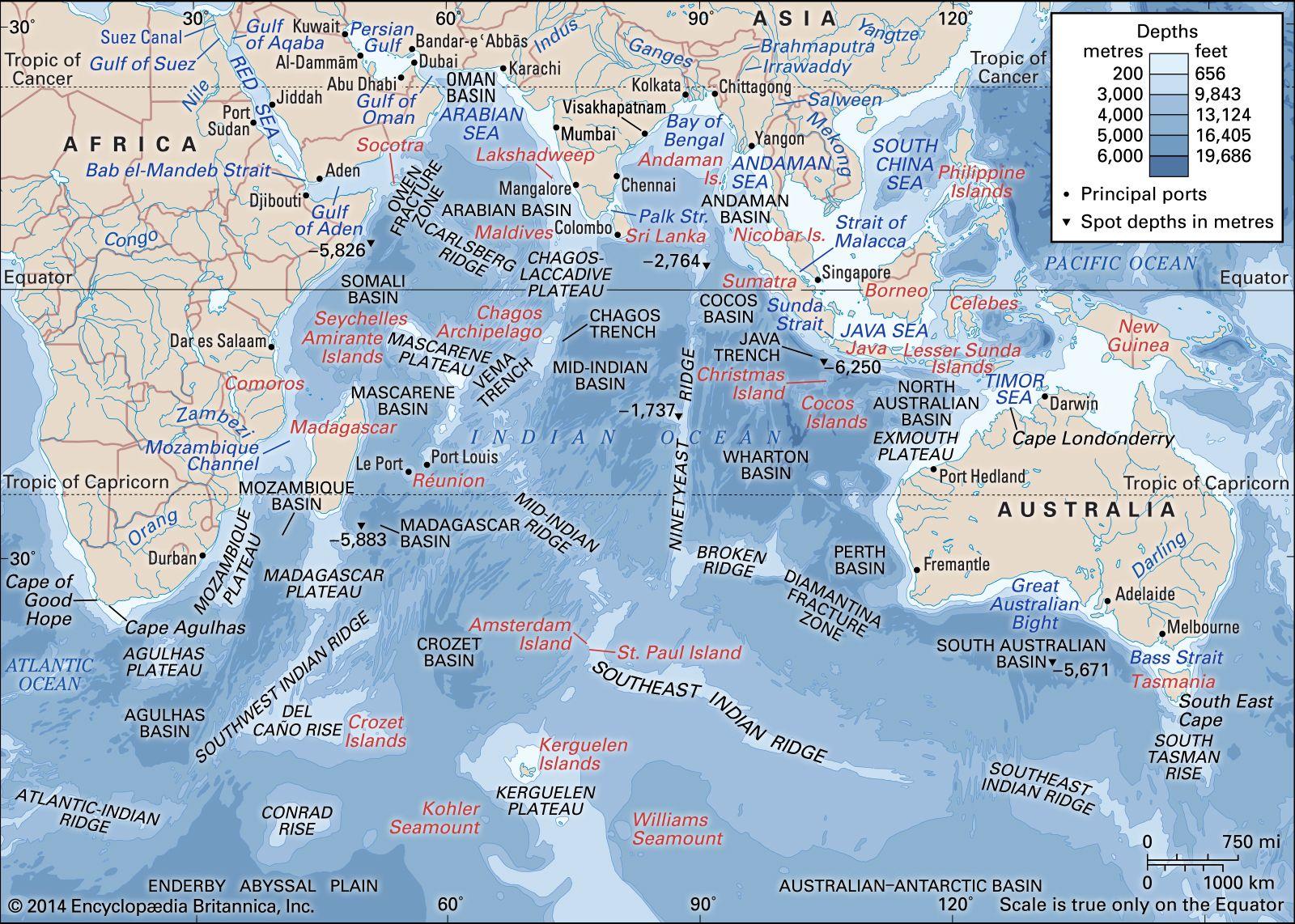
Over the past decade, the Indian Ocean has solidified its status as a strategic hotspot where geopolitical interests converge and evolve rapidly. This vast maritime domain is witnessing a significant reshuffling of influence as key global and regional actors intensify their engagement. The interplay of commerce, security imperatives, and diplomatic maneuvers is reshaping the contours of power across this critical expanse. With China’s expanding naval footprint, India’s strategic recalibration, and America’s revitalized Indo-Pacific agenda, the Indian Ocean is increasingly becoming a theater for contesting dominance. This analysis unpacks the pivotal elements driving this transformation and explores their broader implications on international relations.Discover more about global cultural intersections here.
Rethinking Regional Coalitions to Enhance Stability in the Indian Ocean
The Indian Ocean’s geopolitical landscape demands a fresh evaluation of existing alliances amid escalating rivalries among dominant powers such as China, India, and the United States. Recent trends reveal an increasing preference for cooperative frameworks that prioritize shared prosperity and regional equilibrium over unilateral ambitions. Several critical factors are influencing these evolving partnerships:
- Competition Over Natural Resources: The race to secure underwater minerals, fisheries, and hydrocarbons intensifies economic competition while impacting vital shipping lanes.
- Enhanced Security Collaborations: Expansion of naval bases coupled with frequent joint military drills underscores growing concerns about piracy threats and territorial disputes.
- Addressing Environmental Challenges: Rising sea levels and coastal degradation necessitate multilateral environmental initiatives to protect vulnerable island nations.
Regional organizations play an indispensable role in fostering dialogue; entities like the Indian Ocean Rim Association (IORA) actively facilitate cooperation among littoral states to counterbalance unilateral moves that could destabilize peace.
| Nation | Strategic Alliance | Main Objectives |
|---|---|---|
| India | The Quad (with USA, Japan & Australia) | Ensuring maritime security; promoting sustainable economic development |
| China | Belt & Road Initiative (BRI) | Cementing infrastructure connectivity; expanding geopolitical reach |
| Australia | AUKUS Partnership (with USA & UK) | Catalyzing defense innovation; strengthening technological cooperation |
This intricate network of alliances highlights how diplomacy must remain adaptable while aligning mutual goals to preserve stability across this strategically vital region. The balance here transcends mere military might—it encompasses economic interdependence, ecological stewardship, and collaborative governance.
Economic Strategies Driving Power Shifts Across Maritime Trade Routes
Economic leverage has become central to shaping influence within the Indian Ocean basin. As countries compete for dominance over lucrative trade corridors connecting Asia with Africa and Europe—accounting for nearly 80% of global maritime trade—the stakes have never been higher.
Infrastructure investments spearheaded by initiatives like China’s Belt & Road have transformed port cities from Gwadar in Pakistan to Djibouti in East Africa into hubs linking continents through enhanced logistics networks. These projects not only boost commerce but also create dependencies that can recalibrate political alignments.
Beyond infrastructure lies an intertwined focus on securing essential sea lanes against disruptions caused by piracy or geopolitical friction—a concern underscored by recent incidents near strategic chokepoints such as Bab-el-Mandeb Strait.
Key dimensions influencing these dynamics include:
- Diversification of Port Facilities: Expanding capabilities at ports enhances trade resilience amid shifting supply chains.
- Bilateral & Multilateral Trade Pacts: Agreements foster deeper integration while balancing competing interests.
- Sovereignty vs Economic Gains: Host nations grapple with maintaining autonomy amidst foreign investment influxes.
- Navigational Security Measures:The deployment of naval assets ensures uninterrupted flow along critical maritime arteries.
>
Strengthening Multinational Cooperation for Maritime Security Governance
Sustainable governance over India’s oceanic expanse hinges on collective action prioritizing partnership rather than rivalry among stakeholders. Establishing joint task forces dedicated to combating piracy networks, illegal fishing operations, human trafficking routes—and addressing environmental hazards—is imperative.
Creating robust mechanisms for real-time intelligence exchange alongside pooling resources will enhance deterrence capabilities against illicit activities undermining regional stability.
Building trust through regular trilateral dialogues involving major players alongside smaller coastal states fosters transparency essential for long-term peacekeeping efforts.
Empowering regional bodies such as IORA or ASEAN with expanded mandates can streamline policy harmonization addressing emerging challenges comprehensively—ranging from climate adaptation strategies to enforcing international maritime law compliance.
Capacity-building programs aimed at upgrading naval assets combined with shared training exercises will elevate operational readiness uniformly across member states.
Formulating a unified maritime security doctrine emphasizing sustainability ensures conflicts are minimized while encouraging economic collaboration beneficially impacting all parties reliant on these waters.
Concluding Perspectives: Navigating Tomorrow’s Geopolitical Currents in the Indian Ocean
In summary,the evolving power matrix within the Indian Ocean reflects broader shifts redefining global geopolitics today.The convergence of ambitious national agendas coupled with complex interdependencies presents both opportunities for unprecedented cooperation—and risks heightening tensions if mismanaged.As countries fine-tune their approaches toward safeguarding interests spanning military presence,economic growth,and environmental resilience,the outcomes will reverberate far beyond regional confines.The choices made now regarding alliance structures,multilateral engagement,and sustainable practices will indelibly shape not only control over crucial sea lanes but also future patterns governing international relations throughout this pivotal marine corridor.