Baghdad’s Green Zone Temporarily Sealed Amid Heightened Israeli-Iranian Regional Strife
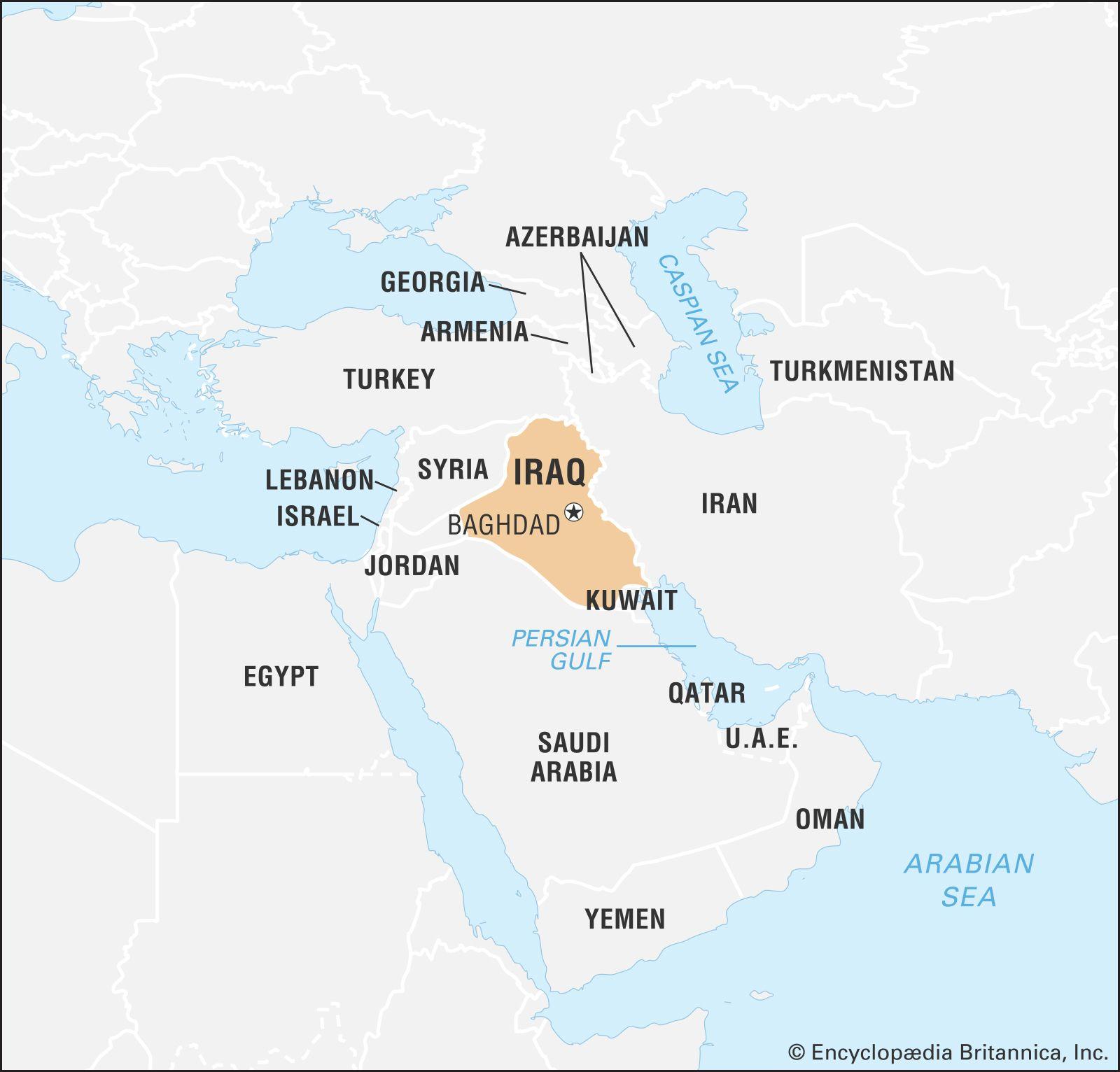
In a decisive move reflecting escalating regional volatility, Iraqi officials have announced the temporary shutdown of Baghdad’s Green Zone—the heavily secured district that hosts vital government offices and foreign diplomatic missions. This action follows intensifying confrontations between Israel and Iran, sparking fears of potential violence spilling into Iraq. As security protocols tighten and diplomatic relations face mounting pressure, the closure of this strategic enclave signals a critical juncture in an already fragile geopolitical environment. Both Iraqi citizens and international stakeholders are closely monitoring developments that could influence stability far beyond Iraq’s borders.
Security Ramifications of Baghdad’s Green Zone Closure
The sealing off of Baghdad’s Green Zone—a bastion long recognized as the nerve center for political governance and international diplomacy—marks a significant shift in the city’s security framework. Triggered by rising tensions linked to Israeli-Iranian hostilities, this measure aims to preempt retaliatory attacks that might endanger residents, diplomats, and visitors alike. Enhanced military deployments combined with increased checkpoints have created an atmosphere of vigilant surveillance designed to deter threats.
However, this fortified posture may inadvertently exacerbate internal divisions among Iraq’s diverse political factions and armed groups, potentially destabilizing an already delicate balance within the capital. The ripple effects extend beyond security concerns:
- Economic Impact: Businesses operating inside or near the Green Zone—many dependent on government contracts or daily foot traffic—face disruptions threatening their viability.
- Social Strain: Heightened security presence contributes to public unease, fostering anxiety amid fears over safety.
- Governmental Isolation: Restricted access complicates administrative functions and hampers coordination with foreign entities stationed within the zone.
These challenges underscore how external conflicts can deeply affect local governance structures while influencing Iraq’s broader geopolitical posture in a region marked by competing interests.
Background on Israeli-Iranian Rivalry and Its Influence Within Iraq
The decision to close Baghdad’s fortified district cannot be fully understood without considering the broader context of escalating tensions between Israel and Iran—two regional powers vying for dominance across multiple fronts including Iraqi territory. The Green Zone holds particular significance as it houses not only Iraqi governmental institutions but also embassies representing countries deeply involved in Middle Eastern affairs.
Iran maintains substantial influence through its support for various militias operating inside Iraq—a development viewed warily by Israel due to perceived threats along its northern borders. This rivalry is fueled by ideological differences as well as strategic ambitions aimed at expanding spheres of control throughout the Levant.
Complicating matters further is involvement from external actors such as:
- The United States: Traditionally aligned with Israel yet maintaining complex ties with Baghdad’s current administration seeking autonomy from Iranian sway.
- Regional Powers like Saudi Arabia & Turkey: Both nations pursue their own agendas which intersect unpredictably with ongoing conflicts.
Iraq finds itself navigating these overlapping pressures while striving to uphold sovereignty amid shifting alliances.
Strategies for Diplomatic Resolution During Regional Instability
Given recent escalations between Tehran and Jerusalem—and their reverberations felt within Iraqi borders—it is crucial for leaders across the Middle East to intensify diplomatic efforts aimed at de-escalation. The closure of Baghdad’s central secure zone highlights vulnerabilities requiring urgent attention through coordinated dialogue initiatives:
- Create Communication Channels: Establish discreet backdoor talks between Israeli and Iranian representatives focused on reducing hostilities.
- Cultivate Regional Cooperation: Involve influential states such as Egypt and Saudi Arabia in mediating disputes toward collective stability.
- Pursue International Facilitation: Utilize platforms like the United Nations for impartial mediation supporting peace negotiations.
Building trust among conflicting parties demands transparent frameworks incorporating confidence-building measures designed not only to address immediate grievances but also foster enduring peace prospects.
| Diplomatic Initiative | Description |
|---|---|
| Bilateral Security Panels | Create joint committees comprising representatives from concerned nations tasked with addressing mutual security issues collaboratively. |
| Cultural Diplomacy Programs | Sponsor exchange programs promoting intercultural understanding among diverse ethnicities residing within conflict zones. |
| Mediation Oversight Bodies | Deploy independent observers charged with monitoring adherence to negotiated agreements ensuring accountability on all sides. |
Looking Ahead: Navigating Stability Amid Ongoing Regional Tensions
As friction escalates across Middle Eastern theaters following intensified Israeli-Iranian confrontations, Iraq’s unprecedented step closing down its most sensitive district reflects both cautionary foresight and underlying vulnerability. Safeguarding critical government operations alongside protecting foreign missions remains paramount amidst unpredictable spillover risks stemming from neighboring conflicts.
This development serves as a stark reminder that peace remains tenuous throughout this volatile region where local governance continually grapples with global power struggles playing out nearby. Observers worldwide will be watching closely how Baghdad manages these mounting pressures—not only regarding internal order but also concerning its role within wider diplomatic networks shaping future regional trajectories.