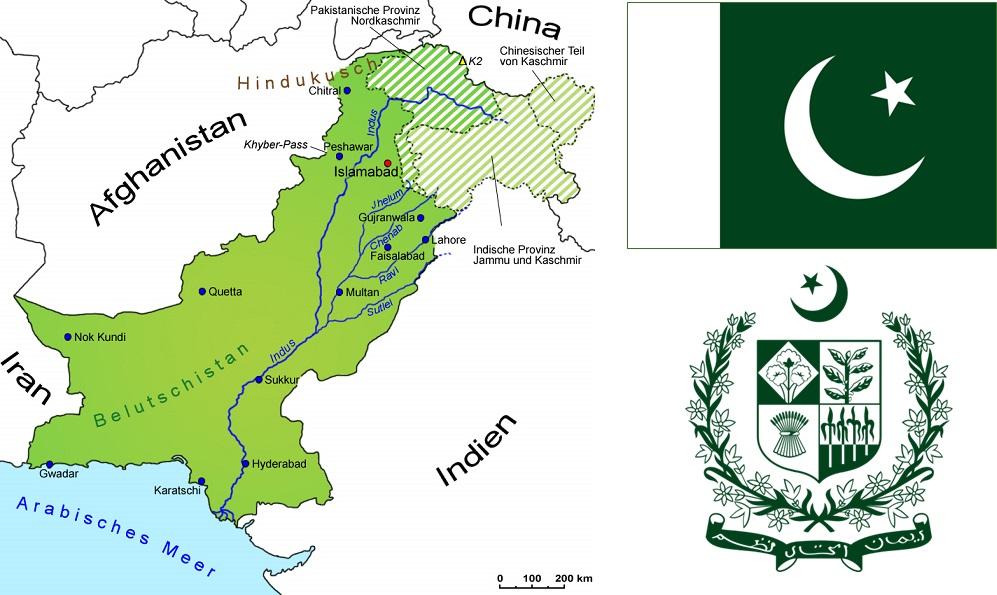
Pakistan’s Response to US Airstrikes in Iran: Condemnation Amid Continued Engagement with Trump Administration
In a notable display of diplomatic complexity, Pakistan has openly criticized the recent United States airstrikes targeting Iran, signaling its disapproval amid escalating regional tensions. This condemnation arrives alongside Pakistan’s ongoing interactions with the Trump administration, reflecting Islamabad’s intricate balancing act between maintaining strategic alliances and upholding regional stability. By denouncing military aggression while sustaining ties with Washington, Pakistan underscores its commitment to peaceful dialogue and sovereignty in South Asia and the Middle East. This article explores the ramifications of Pakistan’s position, reactions from Tehran and Washington, and the broader implications for geopolitical relations across these critical regions.
Pakistan’s Geopolitical Tightrope: Managing Relations Between Washington and Tehran
Pakistan finds itself at a crossroads as it publicly condemns US military actions against Iran—a stance that highlights its delicate role within an evolving geopolitical environment marked by shifting alliances. This denunciation reflects Islamabad’s desire to uphold regional peace while honoring its historical connections with Iran. The decision is influenced by multiple factors including domestic political considerations, economic interests, and concerns over security repercussions stemming from heightened US-Iran tensions.
Simultaneously, Pakistan continues to engage constructively with the Trump administration amid mounting pressure on Tehran. By maintaining open channels with both powers during this period of uncertainty, Islamabad aims to:
- Safeguard economic partnerships: Expanding trade opportunities that benefit all parties involved.
- Strengthen security collaboration: Enhancing joint efforts on counterterrorism initiatives.
- Promote diplomatic conflict resolution: Advocating for negotiations rather than forceful interventions.
Navigating these competing priorities requires careful diplomacy as Pakistan seeks to avoid alienating either side while advancing national interests. The coming months will be pivotal in determining how effectively Islamabad can maintain this equilibrium amid intensifying global scrutiny.
Understanding Pakistan’s Position on US Strikes and Its Commitment to Regional Peace
The Pakistani government’s strong objection to American airstrikes in Iran reveals a nuanced approach aimed at preserving stability within a volatile neighborhood. Emphasizing dialogue over confrontation aligns with Islamabad’s long-standing policy favoring peaceful solutions across South Asia and beyond. Despite past cooperation under President Trump—wherein Pakistan occasionally aligned itself strategically—the current stance signals an effort to distance itself from unilateral military measures perceived as destabilizing.
By calling for multilateral engagement among regional actors against unilateral use of force, Pakistan positions itself as a potential mediator capable of fostering inclusive security frameworks involving key stakeholders such as India, Iran, Afghanistan, and global powers alike. This approach not only resonates domestically but also enhances Islamabad’s credibility on international platforms advocating restraint amidst rising conflicts.
Strategic Pathways Forward: How Pakistan Can Navigate Complex Regional Dynamics
Given recent developments surrounding US strikes in Iran, it is imperative for Pakistani foreign policy architects to adopt strategies that balance national priorities against broader geopolitical currents:
- Deepening regional cooperation: Strengthening ties through forums like SAARC or ECO could help build collective resistance against external pressures.
- Pursuing economic diversification: Leveraging projects such as CPEC (China-Pakistan Economic Corridor) can enhance resilience by reducing dependency on any single partner.
- Mediating diplomatic dialogues: Acting as an intermediary between Washington and Tehran may elevate Pakistan’s role in conflict resolution efforts.
Additionally, bolstering defense capabilities remains crucial—not only through modernization programs but also via enhanced intelligence sharing agreements—to deter threats effectively while reassuring allies about commitment toward mutual security goals.
| Main Focus Area | Tactical Recommendations |
|---|---|
| Defense Collaboration | Pursue joint exercises with friendly nations including China & Turkey for interoperability enhancement. |
| Intelligence Cooperation | Create stronger networks linking domestic agencies with international counterparts focusing on terrorism & border security intelligence exchange. |
| Economic Stability | Diversify export markets; negotiate trade deals mitigating impacts from sanctions affecting Iranian commerce partners. |
Final Thoughts: Navigating Diplomatic Complexity Amid Global Tensions
Pakistan’s public rebuke of U.S.-led strikes against Iran encapsulates the multifaceted challenges faced by nations caught between competing superpowers within today’s polarized international arena. While reaffirming principles centered around sovereignty and non-interventionism remains paramount for Islamabad domestically—and internationally—its continued engagement with former President Trump’s administration illustrates pragmatic diplomacy designed to preserve strategic partnerships without compromising core values.
As events continue unfolding across South Asia-Middle East corridors fraught with volatility—from renewed sanctions regimes impacting billions in trade flows (with 2024 estimates showing $5 billion losses linked directly or indirectly)—the world will keenly observe how adeptly Pakistan maneuvers this complex web of alliances without sacrificing long-term stability or influence.