Pakistan’s Geopolitical Crossroads Amid Rising Iran-Israel Hostilities
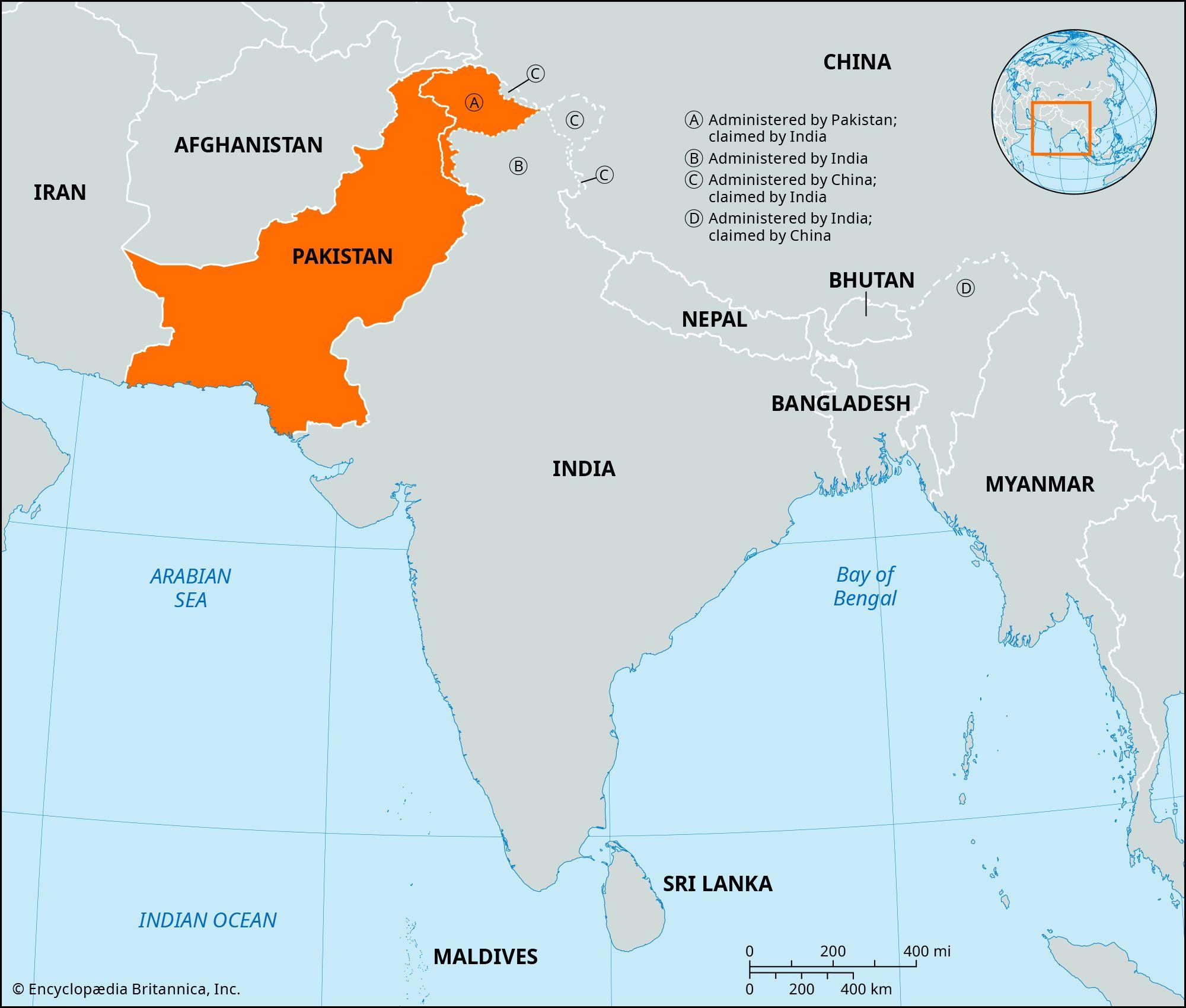
As the conflict between Iran and Israel intensifies, the Middle East’s geopolitical equilibrium faces unprecedented strain, with Pakistan emerging as a nation particularly vulnerable to the fallout. Situated at a strategic nexus of trade corridors and political alliances, Pakistan’s exposure to regional instability is becoming increasingly apparent. Experts caution that any escalation could have far-reaching consequences for South Asia, influencing security dynamics, economic health, and diplomatic relations. This article delves into the complex challenges confronting Pakistan in this turbulent environment and evaluates how ongoing tensions might entangle the country in unexpected ways.
Security Implications for Pakistan Amid Iran-Israel Conflict
The deepening discord between Tehran and Jerusalem carries significant repercussions for regional security frameworks—especially for Pakistan. The country already contends with internal sectarian divisions and sensitive border areas; these issues risk being aggravated by external pressures stemming from heightened hostilities. For instance, an assertive Iranian stance could destabilize Afghanistan further, indirectly affecting militant activities along Pakistan’s western frontier.
Moreover, sectarian fault lines within Pakistan may widen as Sunni-Shia tensions intensify in response to developments abroad. This polarization threatens domestic peace at a time when Islamabad must carefully balance its foreign policy interests.
Pakistan’s diplomatic tightrope walk is complicated by its historical relationship with Iran juxtaposed against growing ties with Saudi Arabia and other Gulf states—key rivals of Tehran. Consequently, Islamabad faces mounting pressure to bolster military readiness while fostering defense cooperation with global partners such as China and the United States.
- Enhanced Military Preparedness: Upgrading defense capabilities to respond swiftly to emerging threats.
- Strengthened Border Controls: Securing frontiers adjoining Iran and Afghanistan against potential spillover violence or infiltration.
- Expanded Intelligence Collaboration: Sharing actionable intelligence regionally and internationally to preempt security risks.
The evolving situation underscores an urgent need for comprehensive strategies addressing both internal vulnerabilities and external threats facing Pakistan’s security apparatus.
Economic Fragility Under Regional Strain: Challenges Facing Pakistan
The ripple effects of escalating Middle Eastern conflicts extend beyond security concerns into economic stability—a domain where Pakistan remains particularly susceptible. Disruptions in trade routes coupled with rising commodity prices have already contributed to inflationary pressures; recent data shows inflation hovering around 14.6%, notably higher than neighboring countries averaging between 10-12% (source: State Bank of Pakistan).
This economic fragility is compounded by heavy reliance on foreign aid packages that often hinge on maintaining neutrality amid regional disputes—a delicate balancing act given competing alliances across Asia-Pacific regions.[1]
- Sustained Inflationary Pressures: Supply chain interruptions driving up costs across essential goods sectors.
- Aid Dependency Risks: Political alignments influencing international financial support availability.
- Diminished Investor Confidence: Heightened perceptions of instability deterring long-term investments.
| Economic Indicator | Pakistan (2024) | Regional Average (2024) |
|---|---|---|
| Inflation Rate (%) | 14.6% | 10-12% |
| Foreign Direct Investment (Billion USD) | 2.5 | 5-8 |
| Current Account Deficit (Billion USD) | -3.5 | -1.0 to -1.5 |
The persistent trade imbalance alongside currency depreciation exacerbates fiscal vulnerabilities; any further deterioration linked to geopolitical unrest could elevate borrowing costs significantly while risking credit rating downgrades—factors that would stifle growth prospects even more severely than seen during previous crises like those in 2018–2019.[2]
Tactical Approaches: Strengthening Resilience Through Diplomacy & Security Initiatives
Navigating this intricate web requires Islamabad adopt multifaceted policies aimed at mitigating risks while capitalizing on opportunities for regional cooperation:
- Diplomatic Engagements Within Regional Frameworks: Active participation in organizations such as SAARC & SCO can foster dialogue channels promoting collective stability.
- Bilateral Dialogue With Tehran: Pursuing constructive talks focused on shared economic projects may ease tensions while safeguarding mutual interests.
- Building Bridges With Gulf States: Supporting peace initiatives enhances trust among key players impacting broader Middle Eastern dynamics.
Apart from diplomacy, reinforcing national resilience through targeted investments remains critical:
- < b >Intelligence Cooperation Enhancement: Establishing robust information-sharing mechanisms helps counter cross-border insurgencies effectively.
- < b >Internal Security Strengthening: Upgrading law enforcement capabilities ensures rapid response capacity against potential spillovers from neighboring conflicts.
- < b >Community Cohesion Programs: Promoting interfaith harmony reduces susceptibility toward extremist narratives undermining social fabric.
These combined efforts will be pivotal not only in safeguarding sovereignty but also positioning Pakistan as a stabilizing force amid shifting geopolitical currents.
A Forward-Looking Perspective: Preparing For Uncertain Times Ahead
In summary, the escalating confrontation between Iran & Israel places Pakistan at a strategic inflection point fraught with complex challenges spanning security dilemmas & economic fragility.
The interplay of sectarian sensitivities, broad geopolitical rivalries, & evolving alliances demands vigilant policymaking focused on proactive engagement rather than reactive measures.
By prioritizing balanced diplomacy alongside robust internal reforms,& Islamabad can navigate these turbulent waters more effectively — ensuring national interests are preserved whilst contributing constructively toward broader regional stability.
As events unfold over coming months,& a well-informed public discourse coupled with agile governance will be essential ingredients shaping Pakistan’s trajectory amidst one of South Asia’s most volatile periods.
—
[1] International Monetary Fund Report – South Asia Economic Outlook Q1/2024
[2] World Bank Data Portal – Economic Indicators Update March 2024*All statistics referenced are current as of mid-2024.*