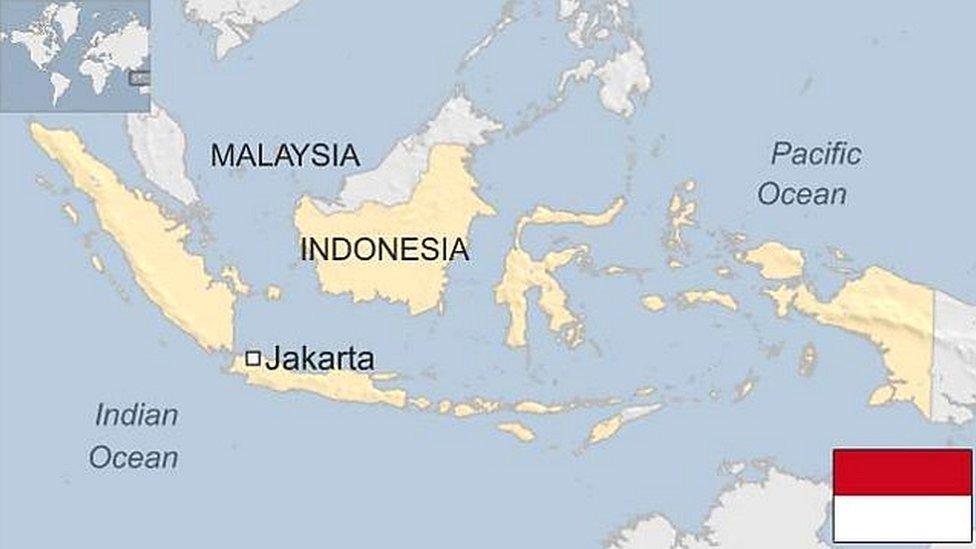

Indonesia Achieves Remarkable $4.9 Billion Trade Surplus in May Amid Global Economic Uncertainties
Indonesia has announced a substantial trade surplus of $4.9 billion for May, signaling a robust stride in the country’s economic recovery and resilience. Finance Minister Sri Mulyani Indrawati highlighted this preliminary figure as evidence of Indonesia’s ability to withstand ongoing global economic headwinds. The surplus primarily stems from strong export performance, especially within the commodities sector, which outpaced import growth during this period.
Robust Export Growth Fuels Indonesia’s Trade Surplus
The impressive trade balance reflects several critical factors that have propelled Indonesia’s export sector forward:
- Rising global demand for key commodities: Agricultural products like palm oil and rubber, alongside minerals such as coal and nickel, have seen increased international orders.
- Diversified export markets: Strong trade ties with Southeast Asian neighbors and East Asian economies continue to expand market access.
- Government support for SMEs: Targeted initiatives have empowered small and medium enterprises to participate more actively in international commerce.
| Sector | Description of Export Performance |
|---|---|
| Agriculture | Palm oil exports surged amid favorable prices; rubber shipments also increased significantly. |
| Mining | Nikel and coal exports benefited from elevated global commodity prices. |
| Manufacturing | Sustained demand for textiles and electronics contributed steady export volumes. |
The Role of Strategic Infrastructure & Trade Partnerships in Sustaining Growth
Apart from natural resource wealth, Indonesia’s expanding infrastructure network—especially improvements in port facilities and logistics systems—has been instrumental in streamlining trade operations. Enhanced connectivity reduces shipping times and costs, making Indonesian goods more competitive globally. Furthermore, active engagement with regional partners through ASEAN frameworks has broadened market opportunities while bilateral negotiations aim to lower tariffs on Indonesian products across major economies.
The World Bank recently projected Indonesia’s GDP growth at approximately 5% for the year ahead, supported by sustained export momentum—a positive sign that these structural improvements are bearing fruit amid uncertain global conditions.
E-commerce: Unlocking New Frontiers for Indonesian SMEs
The digital transformation wave is reshaping how Indonesian businesses engage internationally. E-commerce platforms now enable thousands of SMEs to reach customers worldwide without traditional barriers such as high entry costs or complex distribution networks. This shift not only diversifies export profiles but also enhances resilience against commodity price volatility by promoting value-added goods like handicrafts, processed foods, and electronics components through online marketplaces.
Tactical Approaches to Maintain Trade Surpluses & Boost Export Competitiveness
Sustaining this positive trade trajectory requires a comprehensive strategy focused on innovation, diversification, and policy reform:
- Diversify Product Offerings: Moving beyond raw commodities toward higher-value manufactured goods—including pharmaceuticals, automotive parts, and processed agricultural products—to reduce vulnerability to price swings on primary resources.
- Pursue Research & Development Investments: Encouraging innovation within manufacturing sectors can elevate product quality standards necessary for competing globally against established exporters like Vietnam or Thailand.
- Cultivate New Trade Agreements: Expanding free-trade agreements (FTAs) will open additional markets while reducing tariff barriers that currently limit competitiveness abroad.
- Simplify Export Procedures: Streamlining customs processes coupled with enhanced logistics infrastructure will accelerate shipment times while lowering operational costs—critical factors influencing buyer decisions internationally.
- Create Financial Incentives For SMEs: Providing grants or low-interest loans aimed at exporters helps smaller firms scale operations efficiently into foreign markets.
- Enhance Workforce Capabilities: Investing heavily in vocational training aligned with emerging industries ensures labor force readiness supporting advanced manufacturing sectors.
Strategy Focus Area Details < td>Diversification Expand beyond traditional commodities into value-added sectors.< / td > < td >Innovation Investment Boost R&D efforts targeting product quality improvement.< / td > < td >Trade Agreements Negotiate new FTAs opening fresh markets.< / td > < td>Simplified Procedures Reduce bureaucratic hurdles accelerating exports.< / td > < tdFinancial Support Main Insights & Outlook: Navigating Forward With Confidence
The reported $4.9 billion surplus marks an encouraging milestone reflecting Indonesia’s strengthened position within the global trading system despite persistent uncertainties such as fluctuating commodity prices or geopolitical tensions affecting supply chains worldwide. As Finance Minister Sri Mulyani Indrawati emphasized recently, continued focus on diversified exports remains vital to sustaining long-term growth trajectories.
This promising development is expected not only to strengthen national revenues but also bolster foreign exchange reserves — essential buffers against external shocks — thereby enhancing investor confidence moving forward into the latter half of the year. Stakeholders across government agencies and private sectors alike will be closely monitoring upcoming months’ data trends to assess whether this upward momentum can be maintained amidst evolving international dynamics impacting world trade flows today.
Related Content