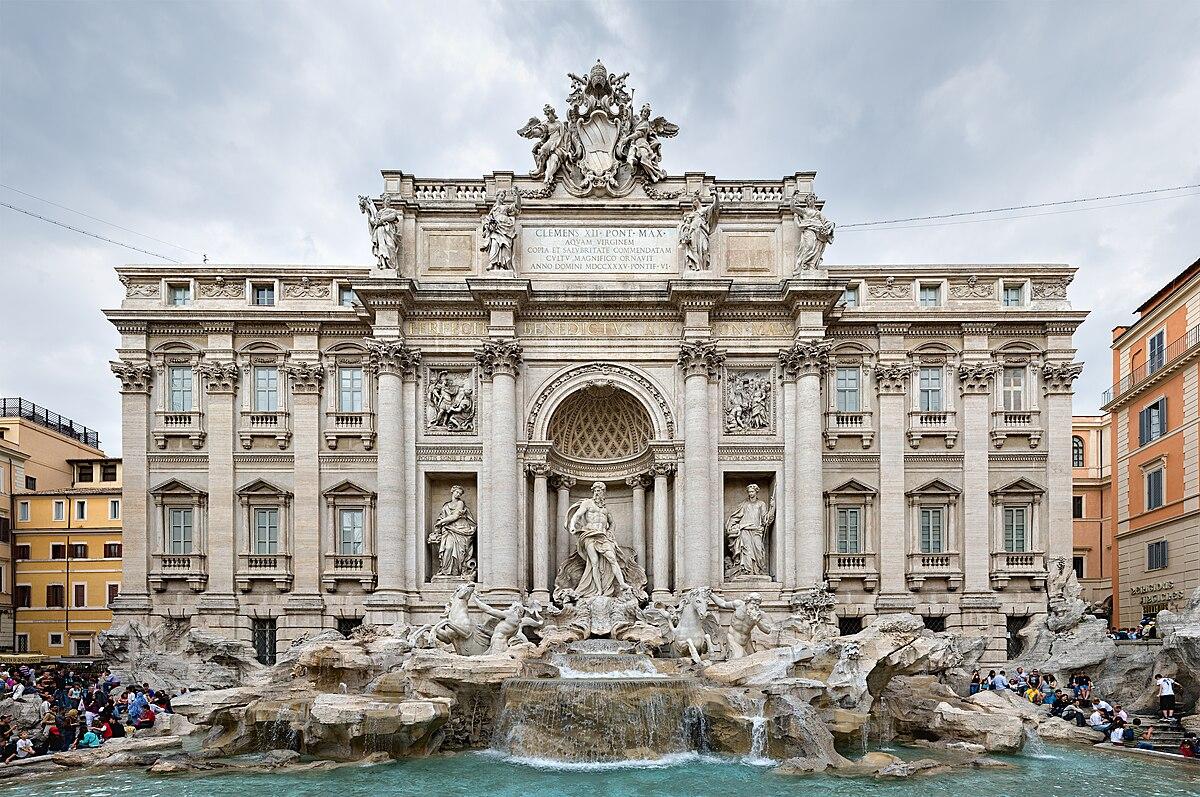
Rome’s Climate Crisis: Navigating Rising Heat and Urban Resilience
As global climate change intensifies, Rome emerges as a vivid example of a metropolis confronting soaring temperatures and increasingly erratic weather. Over the last five decades, Italy’s capital has witnessed some of the most dramatic temperature rises in Europe, sparking urgent concerns about public health risks, urban infrastructure strain, and long-term sustainability. Recent data reveal that Rome is enduring more frequent heatwaves with record-breaking highs that jeopardize both its residents and millions of visitors annually. This article explores the complex challenges climate change poses to Rome while underscoring critical adaptive strategies necessary to protect this historic city.
Escalating Heat Trends and Urban Vulnerabilities in Rome
Rome’s average temperatures have climbed steadily over the past 50 years, with summer heatwaves becoming longer and more intense. This warming trend places immense pressure on urban systems designed for milder climates. The city faces several interlinked issues:
- Health Threats from Extreme Heat: Rising temperatures correlate strongly with increased cases of heat-related illnesses such as dehydration, heat exhaustion, and stroke—especially among seniors and individuals with chronic diseases.
- The Urban Heat Island Effect: Dense building materials like concrete absorb and retain heat during the day, causing central districts to be up to 7°C hotter than surrounding rural areas.
- Dwindling Water Supplies: Higher evaporation rates combined with prolonged drought periods are straining Rome’s water resources—posing challenges for both consumption needs and green space irrigation.
The municipal government has responded by prioritizing climate resilience through innovative green infrastructure projects. Initiatives include expanding rooftop gardens atop historical buildings—a modern twist on traditional Roman courtyards—and developing vertical parks along busy streets to increase shade coverage while fostering urban biodiversity.
- Renewable Energy Expansion: Investments in solar arrays across public buildings aim to reduce fossil fuel dependency significantly by 2030.
- Sustainable Mobility Enhancements: New bike-sharing programs coupled with expanded tram lines encourage residents to shift away from private car use—cutting emissions that exacerbate local warming.
- Civic Engagement Campaigns: Educational outreach promotes community participation in sustainability efforts—from tree planting drives to energy conservation workshops.
The Human Toll: Vulnerable Groups Amidst Intensifying Heat Waves
The health consequences of rising temperatures disproportionately affect certain segments of Rome’s population. Older adults face heightened risks due to diminished thermoregulation capabilities; children are vulnerable because their bodies are still developing mechanisms for coping with extreme conditions; meanwhile people suffering from cardiovascular or respiratory illnesses often experience aggravated symptoms during hot spells.
A recent study found that hospital admissions related to heat stress have increased by nearly 30% over the past decade during peak summer months.[1]
| Affected Group | Main Health Concerns During Heatwaves |
|---|---|
| Elderly Residents | Dizziness, dehydration leading up to potential heatstroke incidents |
| Younger Children (Under 12) | Cognitive difficulties linked to overheating; risk of febrile seizures increases |
| Sufferers of Chronic Illnesses (e.g., asthma) | Poorer symptom control due to elevated air pollution combined with high temps |
| Economic Disadvantaged Communities | Lack access to air conditioning or cooling centers exacerbates vulnerability |
The city has launched “cool zone” initiatives providing accessible air-conditioned spaces at libraries, community centers, and museums during extreme weather events — an approach inspired by similar programs successfully implemented in Barcelona since 2019.[2]
Toward a Cooler Future: Strategic Policies for Sustainable Urban Living in Rome
Tackling Rome’s escalating thermal crisis demands comprehensive policies integrating environmental science into urban development plans. Expanding green spaces remains paramount—not only do parks lower ambient temperatures through evapotranspiration but they also improve mental well-being among citizens living amid dense neighborhoods.
Green roofs equipped on new constructions can reduce indoor cooling costs by up to 25%, according recent European Commission reports,[3] while permeable pavements help mitigate flooding risks caused by sudden storms intensified under changing climatic patterns.
Transportation reforms play an equally vital role: enhancing electric bus fleets alongside incentivizing electric vehicle ownership reduces greenhouse gas emissions contributing directly toward local warming trends.
An integrated approach involving policymakers collaborating closely with businesses & civil society groups will be essential for meaningful progress toward resilience goals set forth under Italy’s National Adaptation Strategy (NAS).
Key Recommendations Include:
- Create incentives encouraging installation of solar panels paired with smart energy management systems across residential & commercial properties;
- Diversify transportation options emphasizing pedestrian-friendly zones complemented by expanded cycling networks;
- Mobilize funding streams dedicated specifically toward upgrading aging water infrastructure ensuring sustainable supply amid drought conditions;
- Pursue educational campaigns targeting youth engagement around climate action fostering long-term behavioral shifts;
- Cultivate partnerships between heritage preservation entities & environmental planners balancing conservation needs against ecological imperatives;
To Conclude: Safeguarding Rome Amidst Climate Uncertainty
———————————————
Rome stands at a pivotal crossroads where its rich cultural legacy intersects sharply with mounting environmental threats driven by global warming trends. The city’s experience underscores how historic capitals worldwide must urgently embrace innovative adaptation measures tailored not only toward mitigating immediate hazards but also securing equitable living conditions for all inhabitants moving forward.
The lessons learned here could serve as valuable blueprints for other Mediterranean cities facing similar climatic pressures—from Athens grappling daily under sweltering summers exceeding averages recorded just two decades ago,[4]to Barcelona pioneering urban greening solutions recognized internationally.
Ultimately,the window remains open—but narrowing rapidly—for decisive action aimed at preserving both human health & heritage alike within our ever-warming world.
—
[1] Italian Ministry of Health Report on Summer Hospitalizations (2023)
[2] Barcelona Cool Zones Initiative Overview (2020)
[3] European Commission Green Roof Benefits Study (2024)
[4] Mediterranean Climate Observatory Annual Report (2023)