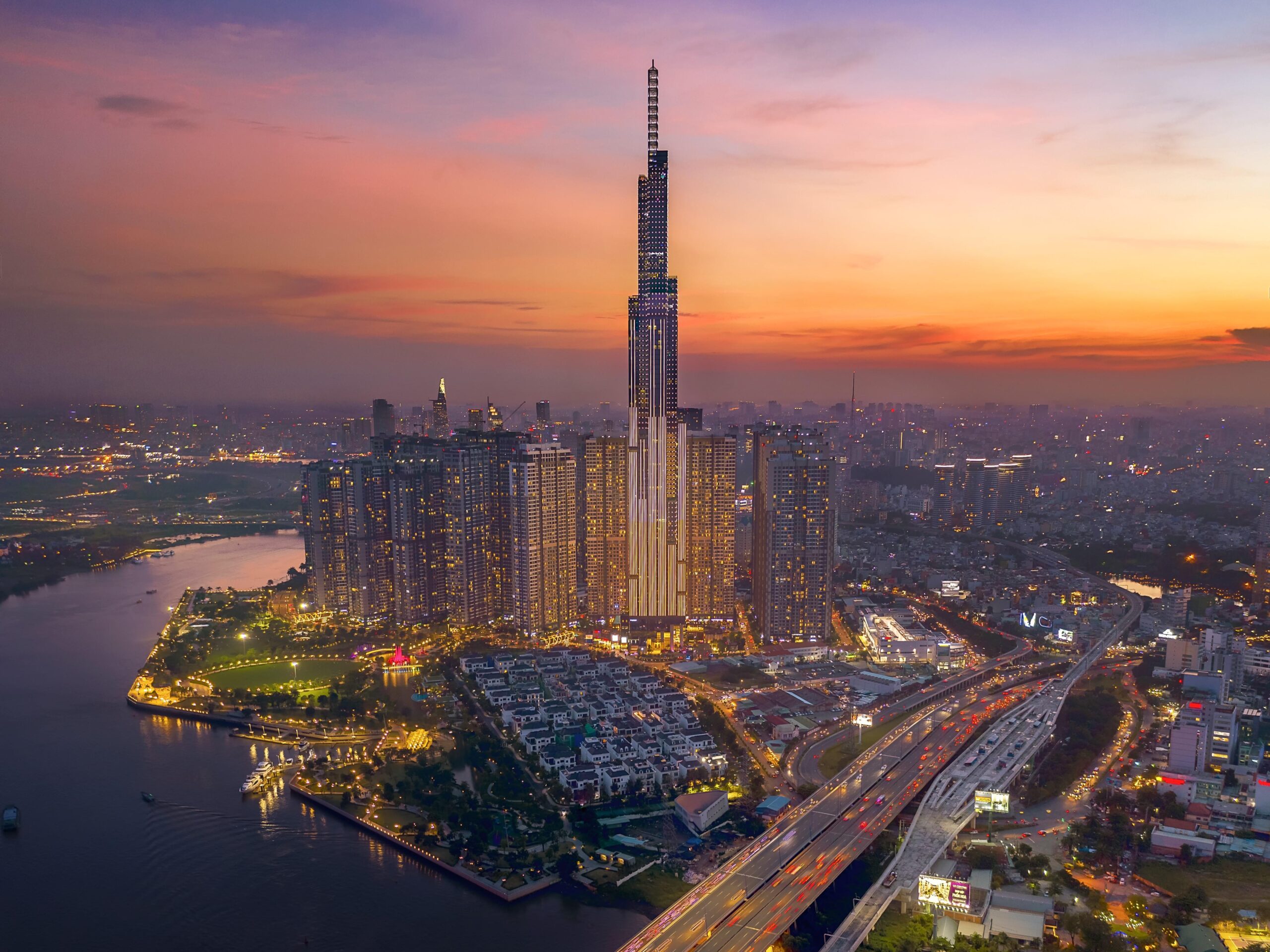
Ho Chi Minh City’s Night-Time Economy: Decades of Limited Progress
While Ho Chi Minh City (HCMC) thrives with energy during daylight hours, its night-time economy has struggled to gain momentum over the past several decades. Once heralded as a promising destination for nightlife and evening entertainment, the city’s after-dark economic activities now face numerous obstacles that have hindered their expansion. This prolonged stagnation prompts an examination of the underlying causes preventing HCMC from cultivating a vibrant nocturnal scene and explores potential pathways to rejuvenate this vital aspect of urban life. Amid rapid urban growth, evolving consumer behaviors, and regulatory complexities, crafting a strategic plan to unlock HCMC’s night-time economic potential is more critical than ever.
Barriers Impeding Growth in HCMC’s Night-Time Economy and Their Enduring Consequences
Over time, Ho Chi Minh City’s night-time economy has encountered persistent challenges that have contributed to its sluggish development. One major obstacle lies in regulatory constraints, where antiquated policies combined with inconsistent enforcement create uncertainty for entrepreneurs seeking to invest or expand nightlife ventures. Compounding this issue are significant infrastructure deficiencies within key entertainment districts—such as inadequate lighting, limited parking facilities, and poor pedestrian access—that discourage both local patrons and international visitors from frequenting these areas after dark.
Additionally, shifting sociocultural dynamics play a pivotal role in shaping demand for nighttime activities. Younger generations increasingly prefer venues that emphasize community engagement or experiential offerings rather than conventional bars or clubs. This trend calls for nightlife operators to rethink traditional business models in favor of more flexible concepts aligned with contemporary tastes. Furthermore, ongoing concerns about safety and security continue to undermine public confidence in nighttime outings.
The table below summarizes these core challenges alongside their long-term implications:
| Main Challenges | Long-Term Impact on Night-Time Economy |
|---|---|
| Regulatory Constraints | Dampens entrepreneurial initiatives; deters investment inflows. |
| Lack of Adequate Infrastructure | Restricts business scalability; reduces accessibility. |
| Sociocultural Evolution | Alters consumer preferences; demands innovative venue concepts. |
| Safety Concerns | Erodes visitor trust; lowers foot traffic during evening hours. |
Approaches to Reviving HCMC’s Evening Economy and Stimulating Sustainable Growth
Revitalizing Ho Chi Minh City’s nightlife requires an integrated strategy addressing safety, culture, infrastructure, and economic incentives simultaneously. Enhancing public safety remains paramount—measures such as increasing visible law enforcement patrols along popular streets coupled with upgrading street illumination can significantly boost residents’ and tourists’ sense of security.
Cultural programming also holds immense promise for energizing the city after sunset. Organizing regular events like artisan markets showcasing local craftsmanship or open-air music performances featuring emerging Vietnamese artists can transform underutilized spaces into lively hubs that appeal across demographics while supporting small businesses.
Improving transportation connectivity is another critical factor often overlooked by policymakers but essential for seamless access between neighborhoods at night. Extending operating hours on buses or metro lines paired with partnerships encouraging ride-sharing services will help overcome mobility barriers faced by late-night revelers.
Infrastructure enhancements such as creating pedestrian-only zones around key entertainment precincts can foster safer environments conducive to social interaction while reducing vehicular congestion—a model successfully implemented in cities like Seoul’s Hongdae district which saw increased patronage following similar interventions.
Finally, financial incentives including tax breaks or grants targeted at startups within the nighttime economy sector could stimulate innovation and attract fresh investments necessary for sustained growth.
Engaging Communities: The Cornerstone of Building a Dynamic After-Dark Culture in HCMC
A thriving night-time economy cannot flourish without active participation from local communities who best understand their neighborhood needs and cultural nuances. Encouraging collaboration among residents, entrepreneurs,and cultural groups alike ensures initiatives resonate authentically while fostering shared ownership over outcomes.
Key community-driven actions include:
- Interactive Workshops: Hosting regular sessions inviting feedback on proposed nighttime projects encourages transparency.
- Cultural Collaborations: Partnering closely with local artists enables integration of genuine Vietnamese heritage into event programming.
- User Feedback Platforms: Establishing digital channels where citizens submit ideas helps maintain ongoing dialogue between stakeholders.
Complementary investments focused on well-lit public spaces combined with efficient transport options enhance overall accessibility while robust security frameworks reassure all visitors.
Below is an illustrative matrix highlighting how different stakeholders contribute toward revitalization efforts:
| Stakeholder | Role | Contribution |
|---|---|---|
| Municipal Authorities
Policy Makers< / td >< td >Establish supportive regulations< / td >< / tr >< tr >< td >Entrepreneurs & Business Owners< / td >< td >Service Providers< / td >< td >Diversified entertainment offerings< / td >< / tr >< tr >< td >Cultural Institutions & Artists< / td >< td >Content Creators & Curators< / td >< td >Authentic cultural experiences & programs< / td >< / tr >< tr >< Td Residents & Community Members< Td Informants & Participants |
Final Thoughts on Unlocking Ho Chi Minh City’s Nocturnal PotentialDespite being one of Southeast Asia’s most dynamic metropolises by day—with bustling markets like Ben Thanh attracting millions annually—HCMC continues grappling with underdeveloped evening economies even after decades since initial attempts at expansion began. Factors such as outdated legislation restricting operational flexibility, insufficient infrastructure , evolving social trends ,and lingering safety worries collectively suppress what could otherwise be lucrative opportunities. To reverse this trend requires concerted efforts uniting government bodies , private enterprises ,and citizens alike . By prioritizing enhanced security measures , investing strategically into culturally rich events , improving transport links,and fostering inclusive community participation,HCMC stands poised not only to invigorate its nights but also enrich its broader urban identity . The question remains whether stakeholders will seize this moment — transforming Ho Chi Minh City’s nights into vibrant engines driving future economic prosperity. Related Posts |