Unveiling the Hidden Dangers of Polycyclic Aromatic Hydrocarbons in Changchun’s Urban Dust
Amidst the rapid urban growth and industrial expansion of Changchun, a major city in Northeast China, an invisible yet hazardous pollutant contaminates the very dust beneath our feet. Recent findings published through Wiley Online Library reveal alarming concentrations of polycyclic aromatic hydrocarbons (PAHs) embedded within road dust across various districts. These toxic organic compounds are notorious for their carcinogenic potential and pose significant threats not only to environmental integrity but also to public health.
As Changchun continues its transformation fueled by industrialization and urban sprawl, understanding where these pollutants originate from and how they disperse is crucial. This article explores recent research insights into PAH distribution patterns, identifies primary pollution sources, evaluates associated health risks, and discusses practical steps residents and authorities can take to mitigate exposure.
Mapping PAH Contamination: Spatial Patterns Across Changchun’s Roadways
The study highlights that PAHs are unevenly distributed throughout Changchun’s urban environment. Elevated levels were predominantly detected near high-traffic corridors and industrial zones—areas characterized by intense combustion activities. For instance, neighborhoods adjacent to manufacturing plants or busy highways exhibited significantly higher PAH concentrations compared to residential suburbs with less vehicular movement.
This spatial variability underscores the influence of localized emission sources such as:
- Automobile exhaust: The incomplete burning of gasoline and diesel fuels releases substantial amounts of PAHs into surrounding dust particles.
- Industrial emissions: Factories engaged in metal processing or chemical production contribute heavily through airborne particulates laden with these compounds.
- Combustion from construction sites: Dust generated during building activities often contains elevated levels due to fuel-powered machinery operation.
The Role of Traffic Density
A correlation between traffic volume intensity and PAH concentration was evident; areas experiencing congestion during peak hours showed spikes in pollutant accumulation on road surfaces. This pattern aligns with global trends observed in other rapidly developing cities where vehicle emissions remain a dominant source of urban air contaminants.
The Health Implications: Understanding Risks Linked to Road Dust Exposure
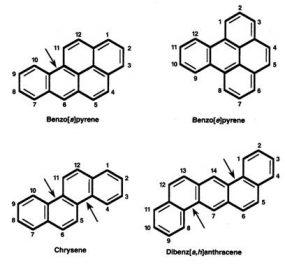
The presence of carcinogenic substances like benzo[a]pyrene—a well-documented mutagen—and benzo[ghi]perylene within road dust raises serious concerns about chronic exposure effects on local populations. Using a comprehensive risk assessment model similar to frameworks applied internationally,[1] researchers identified vulnerable groups including children, elderly individuals, and those with preexisting respiratory conditions as particularly susceptible.
| Chemical Compound | Main Health Concerns |
|---|---|
| Benzo[a]pyrene | Cancer-causing agent; linked to lung diseases |
| Benzo[ghi]perylene | Cancer risk; may cause skin irritation upon contact |
| Fluoranthene | Pulmonary complications; potential genotoxic effects |
The primary routes through which residents encounter these toxins include inhalation—breathing contaminated dust particles suspended in air—and inadvertent ingestion via hand-to-mouth contact after touching polluted surfaces. Long-term exposure has been linked globally not only with respiratory ailments such as asthma but also increased incidences of certain cancers.[2]
Sourcing Pollution: Pinpointing Origins Within an Expanding Metropolis
Diving deeper into pollution origins reveals that multiple anthropogenic activities contribute cumulatively toward elevated PAH levels found across Changchun’s streets:
- Vehicular Emissions: Exhaust fumes from cars, trucks, buses powered mainly by fossil fuels remain predominant contributors due largely to inefficient combustion processes releasing complex hydrocarbon mixtures.< /li >
- < strong >Industrial Operations:< / strong > Manufacturing facilities emit particulate matter containing diverse toxic chemicals including various polyaromatic hydrocarbons during production cycles.< / li >
- < strong >Residential Heating:< / strong > In colder months especially prevalent is coal or biomass burning used for heating homes which adds significantly toward ambient contamination.< / li >
- < strong >Construction Activities:< / strong > Heavy machinery usage combined with material handling generates fine particulate matter enriched with harmful organics.< / li >
< / ul >This multifaceted pollution landscape necessitates integrated management approaches targeting each source category effectively rather than isolated interventions focusing solely on one sector.
A Closer Look at Vulnerable Populations and Developmental Concerns
The research further emphasizes heightened risks faced by children exposed regularly due both direct inhalation pathways plus secondary ingestion routes via contaminated soil/dust play areas around schools or parks.
Potential developmental delays affecting cognitive function alongside physical growth abnormalities have been documented elsewhere under similar environmental stressors,[3], underscoring urgency for protective measures tailored towards younger demographics.Health Impact< / th > Description< / th >
< tr >Respiratory Disorders< / td > An increase in asthma cases along with chronic bronchitis symptoms among exposed groups. < td >Carcinogenesis< td >/ Prolonged contact elevates cancer susceptibility especially lung-related malignancies. < td >/ Developmental Effects< td >/ Adverse impacts on neurological development & physical maturation noted primarily among children living near hotspots. Taking Action: How Residents Can Reduce Exposure Risks From Road Dust Pollutants
Awareness coupled with practical steps can empower communities facing this invisible threat:- / Limit direct interaction// avoid playing close proximity roadsides where dust accumulates heavily./em>/nn
- / Employ wet cleaning techniques indoors instead dry sweeping which tends redistribute fine particulates back into breathing zones./nn
- / Support local government initiatives aimed at reducing vehicular emissions such as promoting electric vehicles &/or improving public transit infrastructure.nn
- / Advocate stricter regulations governing factory emissions &/ encourage adoption cleaner technologies.nn
nnnnnn
Collective efforts combining individual vigilance alongside policy reforms will be essential if meaningful reductions are desired over coming years.A Call for Sustainable Urban Pollution Management Strategies
The evidence presented paints a compelling picture demanding immediate attention from policymakers tasked managing growing metropolitan challenges posed by harmful polycyclic aromatic hydrocarbons embedded within everyday street environments.
By integrating advanced monitoring systems capable real-time detection alongside targeted emission controls focused key sectors — transportation networks plus heavy industry — authorities can better safeguard public welfare while fostering sustainable city development.
Ultimately protecting Changchun’s citizens requires coordinated action bridging scientific insight community engagement ensuring healthier air quality standards prevail amid ongoing modernization efforts.
Related Posts
- / Limit direct interaction// avoid playing close proximity roadsides where dust accumulates heavily./em>/nn