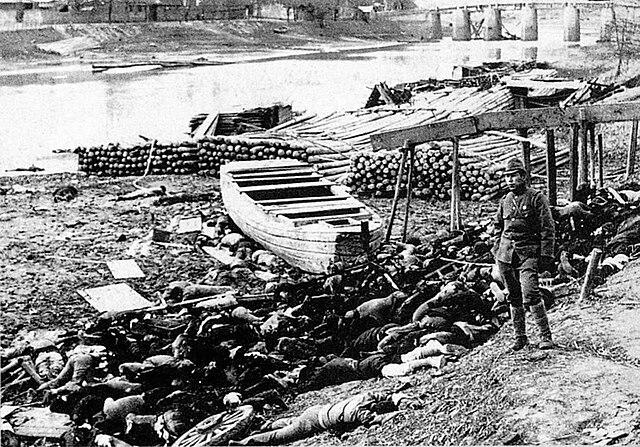
Commemorating the Nanjing Massacre: A National Remembrance in China
On December 13, 2023, China solemnly observed a nationwide memorial to honor the victims of the Nanjing Massacre, one of the darkest chapters during the Second Sino-Japanese War. The remembrance took place in Nanjing, where government dignitaries, survivors, and citizens convened at the Nanjing Massacre Memorial Hall to pay tribute to an estimated 300,000 lives lost between December 1937 and January 1938. This annual event not only reflects on past horrors but also reinforces China’s dedication to preserving historical memory and educating future generations about the devastating consequences of war.
The ceremony featured moments of silence and wreath-laying rituals symbolizing collective mourning. It served as a powerful reminder that acknowledging such tragedies is essential for national healing and global peace efforts.
Key Themes from the 2023 Nanjing Memorial Ceremony
During this year’s commemoration, officials emphasized several critical themes that resonate deeply with both historical reflection and contemporary relevance:
- Historical Awareness: Encouraging comprehensive education about past atrocities to cultivate empathy and prevent intolerance.
- Pursuit of Justice: Advocating for recognition of historical grievances alongside reparative actions aimed at reconciliation.
- Peacebuilding Commitment: Strengthening diplomatic ties internationally as a safeguard against repeating violent conflicts.
The memorial hall itself showcased immersive exhibits detailing survivor testimonies and contextual history. Interactive displays engaged younger visitors by connecting personal narratives with broader wartime realities—ensuring that these lessons remain vivid across generations.
Learning from History to Foster Peace and Reconciliation
The atmosphere during this year’s observance was imbued with reflection as attendees—including government representatives—acknowledged not only those who perished but also humanity’s shared responsibility toward peace. The event underscored how confronting painful histories like the Nanjing Massacre is vital for building bridges between communities worldwide.
This reflective process highlights several universal lessons relevant today:
- Acknowledgment as Healing: Accepting uncomfortable truths about past injustices forms a foundation for societal recovery.
- Cultivating Dialogue: Open conversations among diverse groups help mend divisions created by conflict or misunderstanding.
- The Power of Education: Accurate teaching about historical events prevents denialism and repetition of mistakes seen in tragedies such as genocides or ethnic cleansings globally.
- Pursuing Restorative Justice: Supporting victims’ families through legal frameworks affirms dignity while promoting accountability.
| Historical Tragedy | Core Reflection Point |
|---|---|
| Nanjing Massacre | The imperative for truthful acknowledgment |
| The Holocaust | Evolving education to combat denialism worldwide |
| Rwandan Genocide (1994) | Diplomatic dialogue fostering national healing processes |
Concluding Reflections on Memory and Peacebuilding
The annual remembrance ceremony dedicated to those lost during the Nanjing Massacre stands not only as an act honoring their memory but also serves a broader purpose: reinforcing society’s commitment never to forget such atrocities. In 2023’s gathering—with robust participation from officials alongside survivors—the message resounded clearly: understanding our shared history is indispensable in nurturing peace across borders.
This commemoration embodies resilience amid tragedy while advocating widespread recognition of historical injustices globally—urging all nations toward empathy-driven reconciliation efforts rooted firmly in truth-telling.