
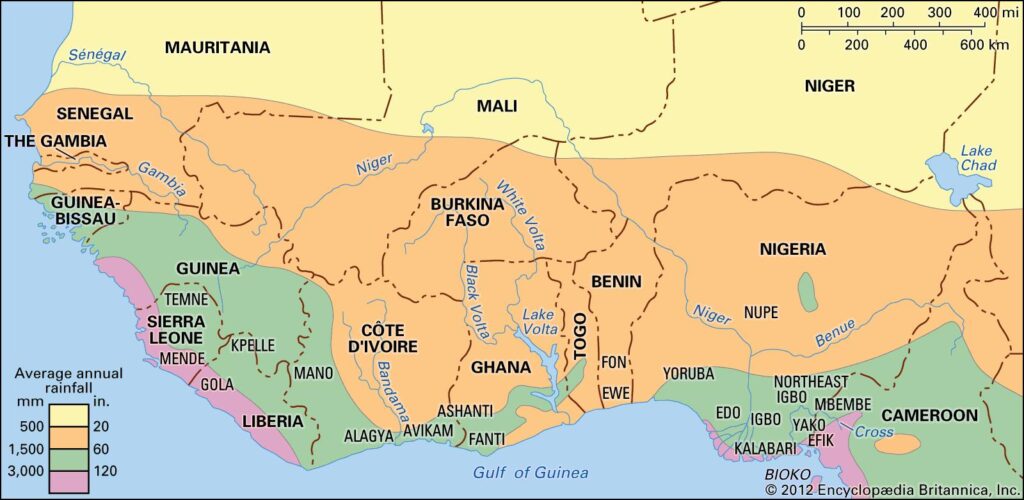

Introduction: The Turmoil Following Ivory Coast’s 2010 Election Crisis
The aftermath of Ivory Coast’s contentious 2010 presidential election plunged the nation into a brutal civil conflict that spanned several months, igniting widespread violence and triggering severe humanitarian emergencies. Beginning in November 2010 and persisting until April 2011, this crisis unfolded as then-President Laurent Gbagbo refused to acknowledge his defeat to challenger Alassane Ouattara. This article delves into the pivotal events and underlying causes of the conflict, evaluates international interventions, and reflects on its enduring effects on Ivory Coast’s fragile peace. The civil war stands as a powerful illustration of West Africa’s political volatility and highlights the far-reaching consequences electoral disputes can have on national stability. Through this exploration, we shed light on both the human toll endured during this period and ongoing initiatives aimed at healing a nation scarred by division.
Root Causes and Lasting Impact of the Ivory Coast Conflict
The origins of the 2010-2011 Ivorian civil war are deeply embedded in a complex web of historical grievances, political exclusion, ethnic divisions, and economic disparities. Colonial-era policies left behind fractured social structures that post-independence governments struggled to unify.
Primary factors fueling unrest included:
- Ethnic Marginalization: Certain groups were systematically sidelined from political power and economic opportunities.
- Contested Electoral Legitimacy: The disputed presidential vote triggered violent confrontations when Gbagbo rejected Ouattara’s internationally recognized victory.
- Erosion of Economic Stability: Widespread corruption coupled with uneven wealth distribution intensified public dissatisfaction.
The repercussions were devastating across multiple dimensions:
- Displacement Crisis: Over one million Ivorians were forced from their homes amid escalating hostilities.
- Severe Human Rights Abuses: Both factions committed grave violations including extrajudicial killings, sexual violence against civilians, and recruitment of child soldiers.
- Economic Disintegration: Key industries collapsed under conflict pressures; infrastructure damage crippled essential services like healthcare and education.
Principal Actors & Global Responses During the Conflict
At the heart of this crisis stood Laurent Gbagbo—Ivory Coast’s incumbent president—who steadfastly clung to power despite losing official recognition after elections held on November 28th, 2010. Opposing him was Alassane Ouattara—the internationally endorsed winner—who garnered significant backing domestically as well as from foreign governments.
Militia groups such as former rebel factions known collectively as “New Forces” played instrumental roles in perpetuating violence throughout urban centers like Abidjan. Meanwhile, youth gangs contributed further chaos by engaging in targeted attacks against civilians.
Civil society organizations emerged as critical watchdogs documenting abuses while advocating for justice amid rampant impunity.
Internationally:
- The African Union urged peaceful dialogue but faced challenges mediating effectively given entrenched hostilities.
- The Economic Community of West African States (ECOWAS) imposed sanctions targeting Gbagbo’s regime while threatening military intervention if necessary—a rare but decisive stance emphasizing regional security concerns.
- The United States alongside European Union countries condemned Gbagbo’s refusal to step down; they supported Ouattara diplomatically while enacting punitive measures against key figures within Gbagbo’s circle.
- The United Nations Security Council authorized UNOCI (United Nations Operation in Côte d’Ivoire) peacekeepers to use force when required for civilian protection—a move that increased pressure culminating in Gbagbo’s arrest by April 2011.
These combined efforts underscored an unprecedented level of international engagement aimed at restoring constitutional order amidst escalating bloodshed.
Rebuilding Nationhood: Strategies for Sustainable Peace Moving Forward
The Ivorian civil war exposed deep-rooted fractures within society stemming from ethnic rivalries intertwined with political competition over resources. Healing these wounds demands comprehensive reconciliation processes grounded in inclusivity.
Pivotal lessons emerging from this period include:
- Cultivating Inclusive Dialogue Platforms: Ensuring representation across all ethnicities and political affiliations is essential for durable peace agreements.
- Sustained International Partnership: Continued support through mediation expertise funding development projects remains vital for long-term stability.
- Energizing Grassroots Peacebuilding Efforts: Empowering local communities fosters mutual understanding beyond elite negotiations—strengthening social cohesion at foundational levels.
Looking ahead requires addressing socioeconomic inequalities that fueled past conflicts through targeted investments:
| Sector | Focus Area | Anticipated Benefits |
|---|---|---|
| Agriculture | Enhancing smallholder farmer productivity via modern techniques & market access | Boosted food security alongside rural job creation |
| Education | Expanding equitable access with emphasis on marginalized regions | Empowered youth capable of bridging divides & reducing inequality gaps |
| Healthcare | Upgrading health facilities plus training medical personnel nationwide | Improved public health outcomes fostering community trust & resilience |
By prioritizing these sectors alongside transparent governance reforms focused on anti-corruption measures—and promoting civic education about democratic participation—Ivory Coast can build foundations resilient enough to prevent future upheavals.
Reflecting On The Past: Charting A Path To National Unity And Progress
In retrospect, Ivory Coast’s civil war serves not only as a cautionary tale about fragile post-colonial statehood but also highlights how unresolved identity politics can escalate into full-scale crises without timely intervention.
As reconstruction continues today—with GDP growth rebounding steadily around an estimated +7% annually according to recent World Bank data—the country faces both opportunities and challenges balancing rapid development with inclusive governance.
Ultimately ensuring all voices contribute meaningfully toward shaping national policy will be indispensable—not just healing old wounds but forging sustainable prosperity across diverse communities.
Global stakeholders must remain engaged vigilantly supporting initiatives promoting reconciliation efforts so history does not repeat itself within this pivotal West African nation striving toward lasting peace.