
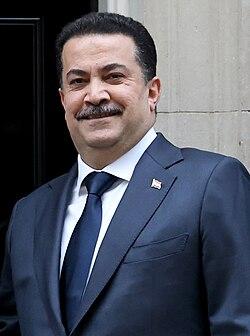

In the complex landscape of Middle Eastern geopolitics, Iraqi Prime Minister Mohammed al-Sudani is walking a tightrope as he seeks to strengthen relations with Syria amid rising domestic tensions. As the region grapples with a myriad of challenges, from humanitarian crises to security threats, al-Sudani faces scrutiny at home while attempting to position Iraq as a pivotal player in the ongoing dialogue surrounding Syria’s future. This article delves into the intricate dynamics between Baghdad and Damascus, exploring the implications of al-Sudani’s diplomatic maneuvers against the backdrop of an increasingly fractious domestic political environment. With a delicate balance to strike between national interests and internal pressures, al-Sudani’s approach could redefine Iraq’s role in regional affairs, making the coming months critical for his administration and for the geopolitical stability of the region.
Navigating Complex Diplomatic Waters: PM al-Sudani’s Strategic Approach to Syria Relations
Prime Minister al-Sudani faces a formidable challenge in shaping Iraq’s diplomatic stance towards Syria amidst heightened domestic tensions. His strategy has been characterized by careful navigation of both internal political divides and external pressures. With various factions within the Iraqi parliament expressing divergent views on Syrian relations, al-Sudani has opted for a balanced approach that emphasizes dialogue and cooperation. By engaging diplomatically with the Syrian government, he aims to address security concerns related to terrorism and border control, which have been persistent issues impacting Iraq.
Moreover, al-Sudani’s administration underscores the importance of regional stability and economic collaboration, advocating for initiatives that could benefit both nations. Included in his diplomatic strategy are key points such as:
- Border Security Enhancements: Collaborative efforts to strengthen monitoring and controls along the Iraq-Syria border.
- Trade Relations: Initiatives aimed at revitalizing trade routes that could bolster economic ties.
- Security Cooperation: Joint operations against common threats such as ISIS remnants that continue to pose risks to both countries.
Despite potential backlash from various political factions, al-Sudani is committed to maintaining a pragmatic approach that prioritizes Iraq’s national interests while fostering regional partnerships. This delicate balancing act not only aims to secure Iraq’s borders but also to pave the way for future diplomatic efforts in the Middle East, where stable relationships are vital for long-term peace and economic prosperity.
Domestic Challenges and Regional Ambitions: Balancing Act for Iraq’s Leadership
The delicate interplay between international relations and domestic stability is acutely felt in Iraq, where Prime Minister al-Sudani faces the formidable task of advancing ties with Syria amid rising internal pressures. As Iraq grapples with economic hurdles, security concerns, and political fragmentation, the leadership must ensure that relations with neighboring Syria do not exacerbate existing tensions. The government’s pursuit of regional partnerships is viewed as a strategic necessity to bolster Iraq’s influence, yet it simultaneously invites scrutiny from various factions within the country, each with divergent views on foreign policy priorities.
Amid this precarious balancing act, several key factors are influencing PM al-Sudani’s diplomatic agenda:
- Economic Collaboration: The potential for joint trade initiatives could provide much-needed relief to Iraq’s economy.
- Security Arrangements: Cooperation with Syria is critical for addressing shared threats, particularly from extremist groups.
- Political Consensus: Al-Sudani must navigate the fractured political landscape to gain support for foreign policy decisions.
In essence, Iraq’s leadership must cultivate a vision that reconciles the pursuit of regional aspirations with the urgent need for domestic unity. The success or failure of these diplomatic endeavors will inevitably reflect on al-Sudani’s governance and the broader trajectory of Iraq’s stability and growth.
Building Bridges Amid Tensions: Recommendations for Strengthening Iraq-Syria Cooperation
In the pursuit of fostering cooperation between Iraq and Syria, it is vital to adopt a multifaceted approach that addresses the underlying tensions while simultaneously promoting mutual interests. Strengthening economic ties can serve as a foundational pillar for collaboration. Initiatives such as joint infrastructure projects, enhanced trade agreements, and cooperative energy ventures can provide both nations with tangible benefits. Additionally, establishing a shared security framework can help mitigate cross-border threats, fostering stability and trust. By prioritizing dialogue and establishing regular communication channels, leaders from both countries can work towards de-escalating tensions and promoting regional harmony.
Furthermore, engaging in humanitarian initiatives that address the needs of displaced populations can act as a catalyst for improving relations. Collaborative projects that focus on education, healthcare, and social services will not only benefit vulnerable communities but can also build goodwill between the two governments. To support these efforts, it is crucial to create a bilateral task force aimed at overseeing and coordinating such initiatives. This task force would be responsible for ensuring transparency, mobilizing resources, and measuring progress, ultimately paving the way for a deeper, more resilient partnership that transcends current challenges.
Insights and Conclusions
In conclusion, Prime Minister Mohammad al-Sudani’s delicate balancing act regarding Syria highlights the complexities of Iraqi foreign policy amidst pressing domestic challenges. As al-Sudani navigates the intricate web of regional diplomacy, his administration must also contend with internal pressures and public sentiment that may shape Iraq’s stance in the future. The evolving relationship with Syria could bear significant implications not only for Iraq’s national security and economic interests but also for broader geopolitical dynamics in the region. As the situation develops, stakeholders within Iraq and beyond will be closely watching al-Sudani’s next moves, which will undoubtedly play a critical role in determining the trajectory of Iraqi-Syrian relations in the months and years to come.