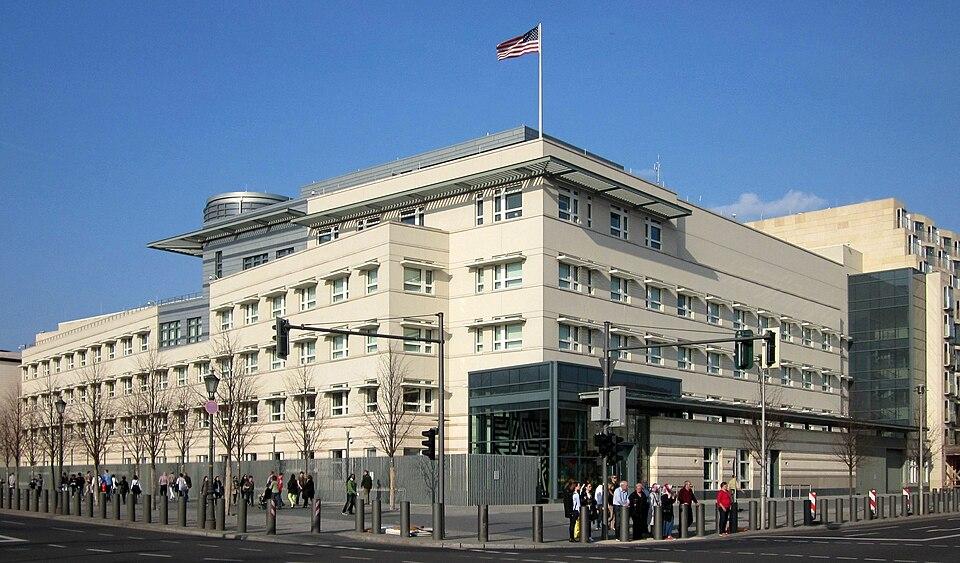
U.S. Embassy Intensifies Support for Americans Facing Death Penalty in the Democratic Republic of Congo
The diplomatic relationship between the United States and the Democratic Republic of Congo (DRC) has entered a sensitive phase as three American nationals face death sentences within the Congolese judicial system. The U.S. Embassy in Kinshasa has confirmed its active involvement, closely tracking these cases amid growing international attention on human rights concerns and legal fairness. This article explores the details surrounding these cases, examines responses from U.S. officials, and highlights perspectives from global legal experts and advocacy groups.
Enhanced Diplomatic Advocacy for Americans on Death Row
The U.S. Embassy is ramping up its efforts to support three American citizens sentenced to death in the DRC, accused of serious offenses under local law. Recognizing both domestic and international scrutiny, embassy officials are working hand-in-hand with Congolese authorities to promote equitable judicial procedures.
- Ensuring Legal Counsel: Facilitating access to qualified defense attorneys for each detainee.
- Trial Observation: Maintaining a presence during court hearings to guarantee transparency throughout proceedings.
- Diplomatic Dialogue: Engaging with government representatives in Kinshasa to advocate on behalf of those detained.
This advocacy also extends beyond courtroom walls; public messaging from embassy spokespeople stresses adherence to international standards concerning capital punishment and human dignity. To bolster these efforts, several key initiatives have been implemented:
| Initiative | Description |
|---|---|
| Consular Access | Frequent visits by consular officers ensure detainees’ health and treatment are monitored regularly. |
| Partnerships with Human Rights NGOs | The embassy collaborates with organizations specializing in legal aid and prisoner rights within Central Africa. |
| Crisis Communication Strategy | Timely updates are provided both publicly and privately to families affected by these cases. |
The Call from International Legal Authorities for Upholding Human Rights Standards
The trials involving these Americans have ignited urgent discussions among global human rights advocates and legal scholars about justice administration in the DRC’s courts. A coalition of prominent international organizations recently issued statements urging Congolese authorities to honor their commitments under established human rights treaties—particularly emphasizing principles such as transparency, accountability, and due process when capital punishment is involved.
This situation raises broader concerns about potential erosion of civil liberties within Congo’s judiciary system if fair trial guarantees are not rigorously enforced. Experts recommend several reforms aimed at safeguarding defendants’ rights during high-stakes criminal proceedings:
- Create Independent Oversight Bodies: Establish impartial committees tasked specifically with monitoring trial fairness across all levels of judiciary processes.
- < strong > Guarantee Competent Defense :< / strong > Ensure that every defendant receives representation by skilled lawyers familiar with local laws as well as international norms.< / li >
- < strong > Promote Open Court Proceedings :< / strong > Facilitate public access or transparent reporting mechanisms so that trials withstand external scrutiny.< / li >
< / ul >A Renewed Demand for Transparency Coupled With Strategic Diplomatic Engagements Amid Execution Risks
With mounting apprehension over possible executions looming over three American prisoners sentenced under Congolese law, numerous global watchdog groups urge Washington DC policymakers toward greater openness regarding ongoing diplomatic negotiations related thereto . These advocates stress that clear communication channels must be maintained between governments , media outlets , families involved , plus civil society actors — fostering trust while mitigating misinformation risks . The call includes comprehensive investigations into procedural integrity surrounding sentencing decisions . Without such clarity , confidence may erode both domestically among US citizens concerned about their compatriots abroad —and internationally regarding respectability & legitimacy attributed toward bilateral relations & rule-of-law adherence inside DRC itself .
Experts emphasize sustained engagement remains vital if meaningful progress is expected concerning protection mechanisms embedded within Congo’s justice framework . Recommended actions include :
- Status Updates: Regular briefings detailing case developments help maintain informed stakeholders worldwide;
- Diplomatic Channels Expansion: Enhanced dialogue encourages cooperation between US diplomats & local officials promoting fair adjudication;
- Mediation Efforts Encouragement: Inviting neutral third parties can facilitate humanitarian considerations potentially influencing clemency or sentence commutations;
< / ul >Recent official remarks affirm commitment toward pursuing such strategies — underscoring how persistent international oversight might positively influence outcomes where ultimate penalties hang precariously above defendants’ heads .
Navigating Complexities at the Crossroads of Justice And Diplomacy – Final Thoughts
The unfolding circumstances surrounding three Americans facing capital punishment in one of Africa’s most geopolitically significant nations highlight intricate intersections between sovereign judicial authority , foreign policy imperatives , plus universal human rights values . The proactive role assumed by US diplomatic missions reflects an unwavering dedication toward safeguarding citizen welfare overseas despite formidable challenges posed by divergent legal systems .
As this delicate matter continues evolving amidst intense scrutiny from multiple quarters worldwide , it remains imperative all stakeholders prioritize solutions grounded firmly upon fairness , humanity , plus mutual respect — thereby reinforcing foundational principles underpinning modern diplomacy & transnational justice alike .
The eyes of global observers remain fixed upon this case—serving as a potent reminder that effective collaboration across borders is essential when confronting issues where life-and-death stakes converge upon questions not only about legality but also morality .