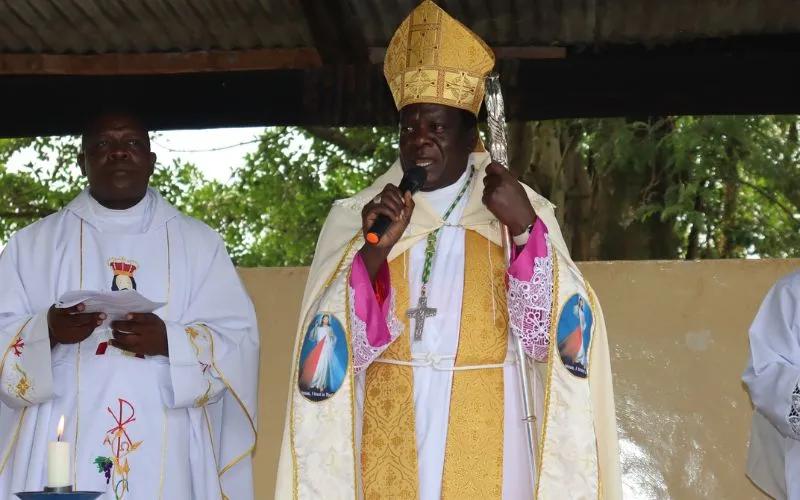
Kenyan Clergy Protest President Ruto’s Plan to Build Church at Official Residence
In a surprising turn of events, a coalition of Kenyan clergy has voiced strong opposition to President William Ruto’s proposal to construct a church at his official residence. The plan, which has garnered attention and sparked debate across the nation, has raised significant concerns among religious leaders who argue it undermines the secular nature of the state and misallocates public resources. The clergy’s protest reflects a broader conversation about the role of religion in government affairs and the potential implications of intertwining state functions with religious institutions. As tensions rise, the clergy are calling for a reevaluation of the proposal, urging the president to consider the diverse beliefs of all Kenyans and the foundational principles of the country’s constitution.
Kenyan Clergy Voice Concerns Over Church Construction at Presidential Residence
In a surprising turn of events, members of the Kenyan clergy have raised significant concerns regarding President William Ruto’s proposal to construct a church within the grounds of the official presidential residence. Clergy leaders argue that such a project could blur the lines between government and religion, potentially undermining Kenya’s secular governance. They fear this move may lead to a perception that the church is receiving preferential treatment from the state, which could politicize faith and complicate the church’s mission in society.
The concerns voiced by the clergy include:
- Separation of Church and State: Emphasizing the importance of maintaining independence between religious institutions and government activities.
- Resource Allocation: Questioning the use of public funds for the construction of a religious site while many citizens face pressing economic issues.
- Potential Divisiveness: Worry that a church on presidential grounds may alienate non-Christian citizens and factionalize religious communities.
As the debate continues to unfold, various religious leaders are calling on the government to reconsider its plans and engage in dialogue that prioritizes the welfare of all Kenyans. Meanwhile, public opinion remains divided, with supporters arguing for the spiritual significance of such a church, while many view it as a misalignment of priorities in the nation’s governance.
Implications for Separation of Church and State in Kenya’s Political Landscape
The recent protests by Kenyan clergy against President Ruto’s intention to build a church at his official residence have sparked significant discussion regarding the separation of church and state in the country’s political landscape. Critics argue that such a move could undermine the secular nature of government, signaling a blurring of lines between religious institutions and state affairs. This situation raises important questions about religious influence in politics, particularly in a nation where religious leaders hold considerable sway over public opinion and political decisions.
Moreover, the implications of this protest extend beyond the immediate actions of the President. They highlight the need for clearer demarcations to maintain the integrity of governance and religious freedom. Key considerations include:
- Public Trust: The perception that government supports one religion over another could alienate diverse faith communities.
- Policy Formulation: Potential biases in decision-making if religious beliefs significantly influence political agendas.
- Grassroots Engagement: The clergy’s protest underscores the importance of civic involvement in holding leaders accountable.
The ongoing debate serves as a reminder of the delicate balance required to ensure that governance remains nonpartisan and representative of all Kenyans, regardless of their faith. Continued discussions and potential interventions may be necessary to reaffirm commitment to a secular state, empowering citizens to engage in shaping a political landscape that respects both religious diversity and governance principles.
Recommendations for Dialogue Between Religious Leaders and Government Officials
In light of the recent tensions surrounding President Ruto’s proposed church at his official residence, fostering constructive dialogue between religious leaders and government officials is paramount. Both parties must engage in a sincere exchange of ideas that reflects the diverse cultural and spiritual landscape of Kenya. To facilitate this, it is recommended that meetings be held regularly, focusing on the following key aspects:
- Open Communication: Establish channels for ongoing discussions, ensuring that both religious and governmental perspectives are represented.
- Community Engagement: Involve local communities in these dialogues to ensure that decisions resonate with and serve the public interest.
- Respect for Diversity: Acknowledge and celebrate the various faiths present in Kenya to promote unity and understanding.
- Shared Values: Identify common goals, such as social justice and peacebuilding, to foster collaboration.
Additionally, creating structured forums can prove beneficial in bridging gaps between these two influential sectors. A proposed framework for such forums could include:
| Forum Type | Purpose | Frequency |
|---|---|---|
| Interfaith Dialogue | Address common concerns and promote understanding. | Biannual |
| Policy Review Meetings | Discuss specific policies impacting communities. | Quarterly |
| Community Workshops | Enhance grassroots involvement and feedback. | Monthly |
These initiatives can create a platform for mutual respect, collaboration, and ultimately, a harmonious relationship that benefits all Kenyans, regardless of their beliefs.
To Conclude
In summary, the opposition from Kenyan clergy against President William Ruto’s proposal to construct a church at his official residence highlights broader concerns regarding the separation of church and state, as well as the role of religion in Kenyan public life. As this situation unfolds, it remains to be seen how the government will respond to the clerics’ demands and the potential implications for the relationship between religious institutions and the state. The ongoing discourse underscores the critical need for dialogue and transparency in a diverse nation that values both its faith and its governance. As stakeholders from various sectors weigh in, the conversation surrounding this contentious issue is likely to evolve, shaping the future of religious expression within Kenya’s political landscape.