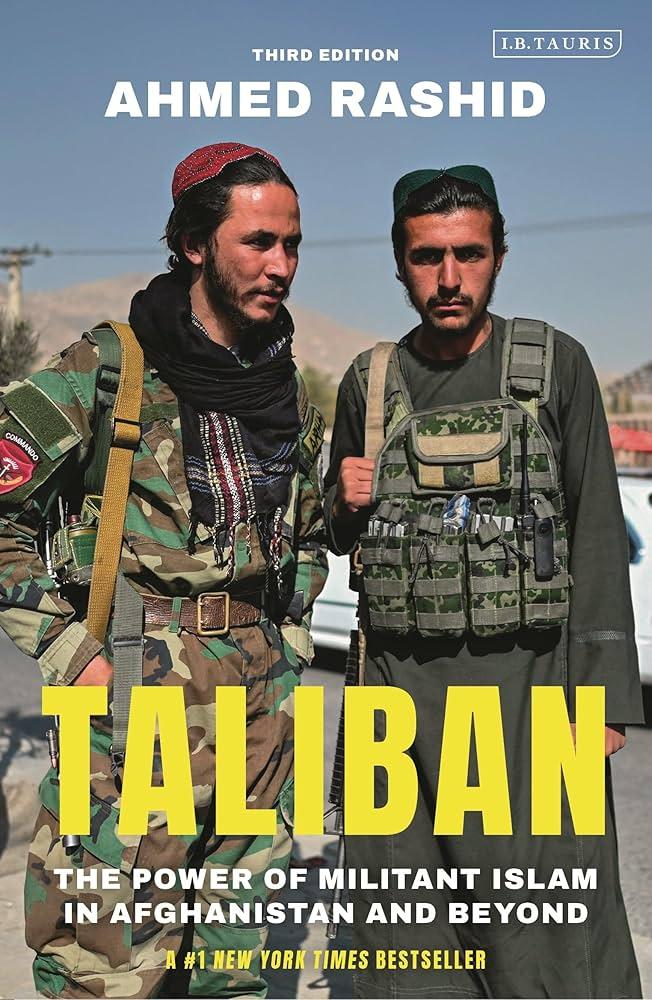
Title: Widening Diplomatic Space for Taliban 2.0
As Afghanistan navigates the complex realities of a post-U.S. withdrawal landscape, the resurgence of the Taliban has prompted a notable shift in international diplomatic strategies. With the group now establishing itself as a central authority, countries around the world are grappling with the implications of engaging with what many refer to as “Taliban 2.0.” This new iteration of the Taliban seeks not only legitimacy on the global stage but also the breathing room to govern amid economic turmoil and humanitarian crises. Amid these challenges, emerging diplomatic engagement signals a potential recalibration of foreign relations as nations weigh the risks and opportunities presented by the current Afghan regime. This article explores the factors contributing to the widening diplomatic space for the Taliban, the strategic interests involved, and the broader implications for regional stability and international policy.
Expanding Global Engagement with Taliban 2.0: Opportunities and Challenges
The recent shift in international relations towards the Taliban has opened a complex dialogue about potential avenues for collaboration and engagement. Various nations are cautiously exploring how to interact with the Taliban 2.0, recognizing that constructive engagement might yield significant benefits, both regionally and globally. Key opportunities include:
- Humanitarian Aid: Many countries are focusing on providing humanitarian assistance, addressing critical needs in Afghanistan while maintaining a degree of leverage over Taliban governance.
- Counterterrorism Cooperation: Nations are contemplating partnerships with the Taliban to combat global terrorism, fostering a collaborative approach to security in the region.
- Trade Initiatives: Reconstructing trade relations can stimulate the Afghan economy, with potential investments in infrastructure and development projects that could benefit the Taliban regime.
However, these opportunities come with substantial challenges that complicate the diplomatic landscape. The international community remains divided on recognizing the Taliban government due to its historical actions and human rights record. Key challenges include:
- Human Rights Concerns: There are persistent concerns about the Taliban’s treatment of women and minorities, which raises ethical questions for engaging diplomatically and economically.
- Lack of Legitimacy: The government’s unrecognized status limits its ability to establish formal relations, hindering projects that require international backing.
- Geopolitical Tensions: Rising tensions between major powers, especially with neighboring countries, present hurdles for a cohesive global strategy toward Afghanistan.
| Opportunities | Challenges |
|---|---|
| Humanitarian Aid | Human Rights Concerns |
| Counterterrorism Cooperation | Lack of Legitimacy |
| Trade Initiatives | Geopolitical Tensions |
Diplomatic Strategies for Effective Interaction with the New Afghan Leadership
As the international community navigates the complex landscape left by the Taliban’s return to power, it becomes increasingly vital to establish a framework for constructive engagement. Diplomatic strategies that focus on dialogue rather than isolation can foster a climate conducive to stability in Afghanistan. Stakeholders should prioritize multilateral engagements, such as conferences and forums, which allow for varied perspectives and shared responsibilities. Such platforms can facilitate discussions on humanitarian aid, counterterrorism, and human rights, ultimately leading to a more cohesive global approach to engaging with the new Afghan leadership.
Building a comprehensive understanding of the Taliban’s governance and its aspirations will be pivotal. This involves continuously assessing their policies and public statements to gauge changes in ideology and practice. Additionally, formulating specific benchmarks for cooperation can help the international community maintain accountability and transparency. For instance, potential collaboration can be categorized into:
- Humanitarian aid delivery
- Counter-narcotics strategies
- Regional security partnerships
- Economic development initiatives
| Strategy | Potential Impact |
|---|---|
| Increased Humanitarian Assistance | Improved living conditions and reduced extremism |
| Regional Diplomatic Initiatives | Strengthened security collaboration |
| Economic Partnership Development | Enhanced trade and stability |
| Support for Education Projects | Empowerment of youth and women |
Recommendations for a Constructive Approach to Taliban Governance and International Relations
Engaging with the Taliban requires a nuanced understanding of their governance style and socio-political context. To facilitate progress, stakeholders must consider the following approaches:
- Adopt a Conditional Engagement Strategy: Establish clear benchmarks for human rights and governance reforms that the Taliban must meet in exchange for diplomatic recognition and aid.
- Encourage Inclusivity: Promote dialogue involving various Afghan ethnic and political factions, ensuring that governance includes diverse perspectives and addresses the population’s needs.
- Leverage Regional Partnerships: Collaborate with neighboring countries to create a multilateral framework that encourages stability and economic development in Afghanistan.
Additionally, building a constructive relationship hinges on focusing on economic assistance and capacity building. The following initiatives can help foster goodwill:
| Initiative | Description |
|---|---|
| Infrastructure Investment | Support projects that enhance transportation and communication networks to stimulate economic growth. |
| Education Programs | Fund educational initiatives, especially for women and children, to improve literacy and vocational skills. |
| Agricultural Development | Promote sustainable agricultural practices to ensure food security and enhance the livelihoods of rural communities. |
Concluding Remarks
As the international community grapples with the complexities of engaging with Taliban 2.0, the evolving diplomatic landscape underscores a critical juncture in global politics. The recent overtures by various nations reflect a shift from isolation to cautious engagement, driven by pragmatic considerations related to security, humanitarian concerns, and regional stability.
While the Taliban’s governance remains fraught with challenges and unfulfilled promises, the widening diplomatic space presents both opportunities and risks. Stakeholders must approach this new chapter with a balanced perspective, prioritizing human rights and the welfare of the Afghan people while navigating the intricate web of geopolitical interests.
The coming months will be pivotal in determining not only the trajectory of Afghanistan’s future but also the potential for a more stable and cooperative regional environment. As diplomatic ties continue to evolve, the world watches closely, hoping that engagement can foster positive change and contribute to lasting peace in Afghanistan.