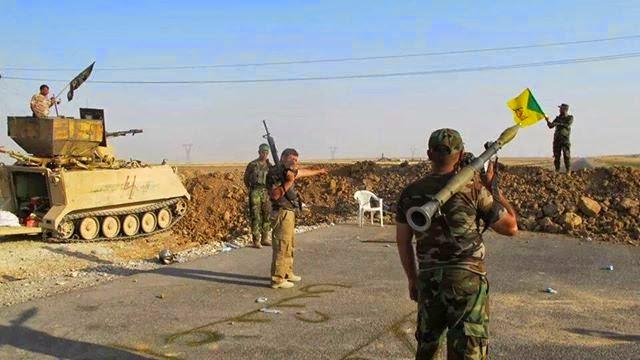
In a significant development within Iraq’s complex political landscape, the Hezbollah Brigades, a prominent militia group, have called for a restraint on the powers of Prime Minister Mohammed Shia’ al-Sudani, citing ongoing concerns about national stability. This assertion comes amidst a backdrop of rising tensions and political fragmentation in the country, as various factions vie for influence in a post-ISIS Iraq struggling to chart a cohesive path forward. The militia’s demand adds another layer of uncertainty to the already fraught political atmosphere, prompting questions about governance, security, and the broader implications for Iraq’s fragile state. As political leaders and armed groups navigate these challenges, the implications of the Hezbollah Brigades’ stance could reverberate throughout the nation’s institutions and impact its recovery efforts.
Iraq’s Hezbollah Brigades Call for Limiting Prime Minister’s Authority Amidst Growing Instability
The Hezbollah Brigades, a prominent Iraqi militia group with ties to Iran, have raised alarm regarding the concentration of power in the hands of the Prime Minister. In an official statement, the group expressed their concern that unchecked authority is contributing to the nation’s escalating instability. The call for an intervention to “curb” the Prime Minister’s decision-making powers highlights a growing rift within Iraq’s political landscape, as various factions vie for influence amid a backdrop of public discontent and insecurity.
The militia’s demands center on the necessity for greater checks and balances in governance to ensure that decisions made by the administration do not exacerbate existing tensions. Key points of their arguments include:
- Increased Sectarian Tensions: The current approach by the Prime Minister has been seen as favoring certain groups, causing dissatisfaction among others.
- Erosion of Public Trust: A concentration of power could lead to decisions that may not reflect the will of the people.
- Security Risks: Ongoing violence and threats from extremist groups underline the need for a united front, which may be compromised if one entity holds too much control.
Amidst these calls for change, observers note a significant shift in the political dynamics of Iraq. The Hezbollah Brigades are not only responding to internal pressures but are also attempting to assert their role in shaping the future of the Iraqi state, suggesting a potential alliance or coalition with other factions that share similar views on the need for a more distributed authority. The political arena remains tense, and the outcome of these demands could have profound implications for governance and stability in Iraq.
Implications of Hezbollah Brigades’ Demands on Iraq’s Political Landscape and Governance
The recent demands from the Hezbollah Brigades for a “curb” on Prime Minister Mustafa al-Kadhimi’s decision-making authority signify a critical moment for Iraq’s political framework. These calls for restraint echoed by the armed faction highlight growing concerns about the instability permeating the national landscape. By challenging the Prime Minister’s autonomy, the Hezbollah Brigades are not only asserting their influence but also provoking questions regarding the balance of power in Baghdad. This development risks polarizing the political environment, with potential consequences for both governance and social cohesion within Iraqi society.
Moreover, the implications of these demands extend beyond immediate political maneuvering; they may lead to a reconfiguration of alliances among various factions. Analysts note that the potential for increased volatility could prompt other political groups to either align with or oppose the Hezbollah Brigades’ stance. The concerns raised touch upon several critical areas:
- Governance Challenges: Erosion of executive authority could hamper effective decision-making.
- Security Concerns: Heightened tensions may exacerbate existing security dilemmas, particularly with regard to militia dynamics.
- Public Perception: Citizens may grow disillusioned with government efficacy and legitimacy.
Expert Recommendations for Navigating the Tensions Between Armed Groups and Central Authority in Iraq
The recent call from Iraq’s Hezbollah Brigades for a “curb” on the decisions of Prime Minister Mohammed Shia al-Sudani underscores a complex dynamic between powerful armed factions and the central government. Experts suggest that to navigate these tensions, it is imperative for the government to adopt a multifaceted approach that includes engaging in dialogue with these influential militias. Key strategies may involve:
- Establishing consistent communication channels with various armed groups to foster trust and lessen conflicts.
- Implementing governance reforms that prioritize transparency and involve local stakeholders in decision-making processes.
- Addressing underlying socio-economic issues that fuel militia power and public discontent.
Moreover, understanding the historical context and the motivations of these armed factions is crucial for the government. Analysts recommend leveraging international support to facilitate mediations and enhance stability in the region. A strategic framework could include setting up a compromise table where representatives from the government and leading armed groups can discuss their grievances. This framework should ensure:
- Protection of minority rights and interests within the political system.
- Clear delineation of responsibilities between state security forces and non-state actors.
Concluding Remarks
In conclusion, the Hezbollah Brigades’ call for a restriction on Prime Minister Mohammed Shia’ al-Sudani’s decision-making reflects the growing tensions within Iraq’s political landscape. As these demands highlight concerns over governance and stability, the implications for the coalition government and its future stability cannot be understated. The ongoing dialogue between various political factions will be crucial in navigating the complex challenges facing Iraq today. As the nation grapples with both internal strife and external pressures, the coming days will be vital in determining the trajectory of Iraq’s political stability and governance. Shafaq News will continue to monitor the situation closely as developments unfold.