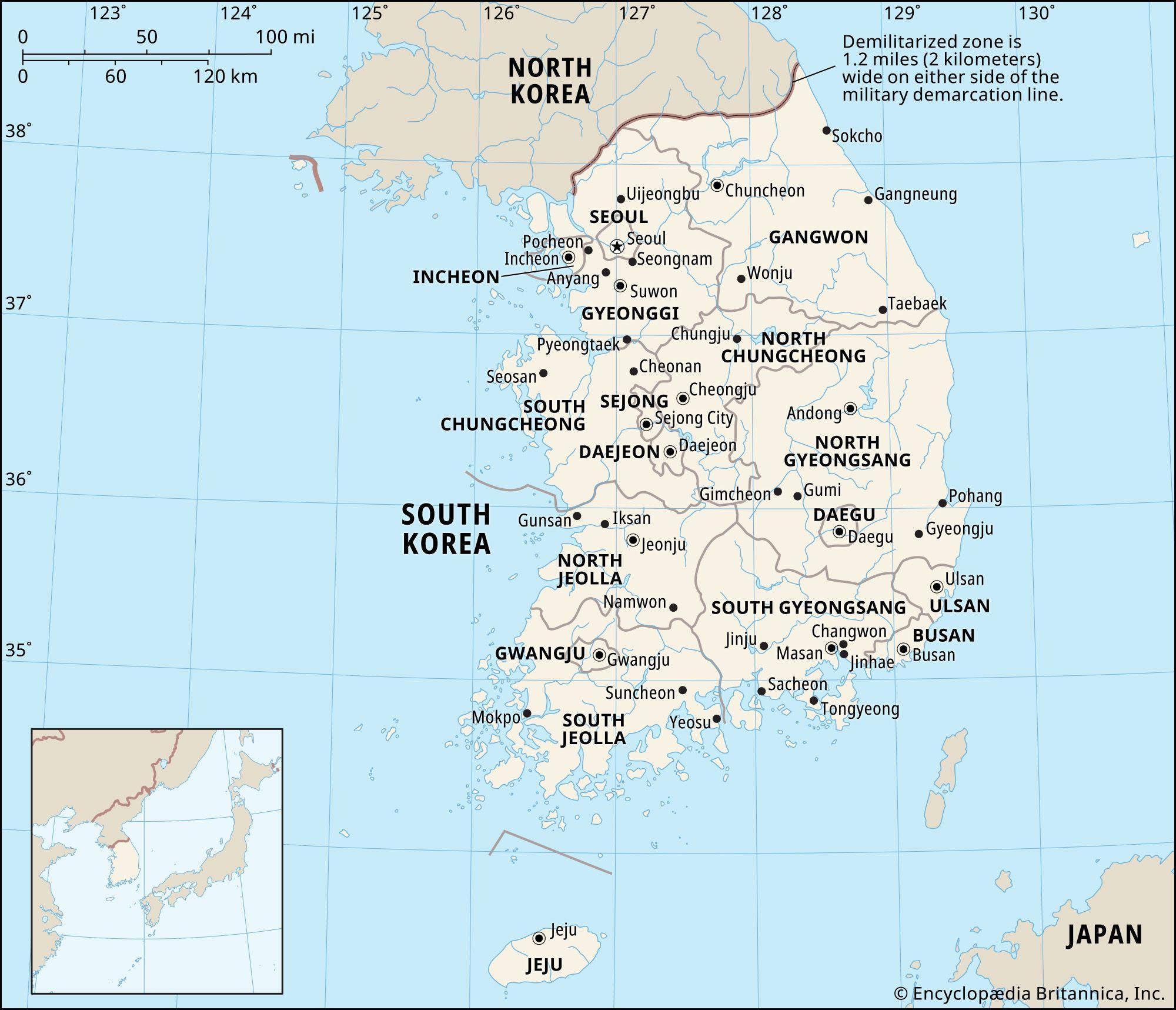
In a significant development within the realm of defense capabilities, South Korea has officially unveiled its air-launched ballistic missile program, marking a pivotal enhancement of its military arsenal. As regional security dynamics continue to shift, this program not only underscores South Korea’s commitment to bolstering its defensive posture but also reflects a response to escalating threats in the vicinity, particularly from North Korea. Analysts suggest that the introduction of air-launched ballistic missiles could provide South Korea with greater flexibility and precision in its strike capabilities, allowing for a more robust deterrent against potential aggressors. This article explores the implications of South Korea’s foray into air-launched ballistic missile technology, the potential impact on regional security, and the strategic rationale behind this significant military innovation.
South Korea’s Strategic Shift: Understanding the Necessity Behind the Air-Launched Ballistic Missile Program
In recent years, South Korea has recalibrated its defense strategy, primarily in response to the escalating threats posed by North Korea’s nuclear arsenal and provocative missile tests. The decision to develop an air-launched ballistic missile program underscores a pivotal change in Seoul’s military posture, aiming to enhance its deterrent capabilities. This initiative is pivotal not only for South Korea’s national security but also serves to reassure regional allies within a context of heightened geopolitical tensions. Key factors driving this strategic shift include:
- Increased Threat Perception: North Korea’s advancements in missile technology require countermeasures that can respond swiftly and effectively.
- Enhanced Flexibility: Air-launched systems allow for quicker deployment and greater operational flexibility compared to traditional ground-based assets.
- Integration with Allies: Collaboration with U.S. military technology supports interoperability and strengthens defense alliances.
The air-launched ballistic missile program also reflects a broader trend in modern warfare, which emphasizes precision strikes and rapid response capabilities. By incorporating advanced technologies such as stealth and high maneuverability, South Korea aims not only to deter potential aggressors but also to maintain the upper hand in any potential conflict scenario. Economic considerations are inherently tied to this program, with a focus on maximizing defense spending efficiency while fostering indigenous defense industries. Below is a snapshot of South Korea’s current defense initiatives:
| Initiative | Description | Timeline |
|---|---|---|
| Air-Launched Strategic Missiles | Developing missiles that can be deployed from aircraft for precision attacks. | 2023 – 2027 |
| Advanced Radar Systems | Upgrading radar capabilities to detect and engage threats effectively. | 2024 – 2028 |
| Joint Exercises with Allies | Regular military drills with U.S. counterparts focusing on integrated operations. | Ongoing |
Technological Advancements and Implications for Regional Security: A Closer Look at South Korea’s New Defense Capability
South Korea’s introduction of an air-launched ballistic missile (ALBM) program represents a significant leap in military capabilities, enhancing the nation’s deterrence strategy against potential aggressors in the region. This development comes amid rising tensions on the Korean Peninsula, particularly with North Korea’s continued missile tests and military posturing. The ALBM is engineered to be deployed from fighter jets, offering South Korea a versatile and rapid-response option that traditional ground-based missile systems cannot match. As part of this initiative, South Korea aims to integrate advanced technologies that improve precision and reduce the risk of interception, thereby making its military assets a more formidable presence in the region.
The implications of this enhancement are manifold, affecting both regional security dynamics and diplomatic conversations. Some key points to consider include:
- Deterrence Capability: The ALBM significantly boosts South Korea’s ability to deter potential threats, particularly from North Korea.
- Allied Cooperation: Joint exercises and technology sharing with allies, particularly the United States, are expected to intensify, fostering a unified front.
- Arms Race: The introduction of advanced missile systems may trigger an arms race in Northeast Asia, compelling neighboring countries to modernize their military capabilities.
In examining the broader context of regional security, it’s essential to monitor the response from neighboring countries. Below is a table summarizing the current missile capabilities of some key players in the region:
| Country | Missile Type | Range (km) |
|---|---|---|
| South Korea | Air-Launched Ballistic Missile | Up to 500 |
| North Korea | Ballistic Missile | Up to 2,500 |
| China | Intermediate-Range Missile | 3,000 – 5,500 |
| Japan | Ballistic Missile Defense System | 3,000+ |
As South Korea advances its defense capabilities, it will be crucial for policymakers to navigate the delicate balance between deterrence and provocation, ensuring that military advancements do not escalate tensions further while still maintaining national security objectives.
Future Recommendations for South Korea’s Missile Development: Ensuring Robust Defense while Promoting Diplomacy in Northeast Asia
As South Korea continues to enhance its missile capabilities, it is crucial to strike a balance between developing a robust defense strategy and fostering diplomatic relations in Northeast Asia. The nation should prioritize the following strategies to ensure its missile development complements regional stability:
- Engagement in Multilateral Dialogue: Actively participate in regional forums to discuss missile defense and nuclear disarmament, aiming for transparency and trust-building measures.
- Technological Cooperation: Work with allies and partners, like the United States and Japan, to share technological advancements while preventing an arms race.
- Public Communication: Inform the South Korean populace about the objectives of missile development to enhance public understanding and support.
Additionally, South Korea should explore innovative policies to complement its missile program with diplomatic initiatives that address security concerns in the region. The following steps are recommended:
| Policy Area | Proposed Initiative |
|---|---|
| Defense | Establish a regional missile defense system with neighboring countries. |
| Diplomacy | Launch confidence-building measures focused on arms control discussions. |
| Public Outreach | Create educational programs that explain the importance of missile defense. |
Incorporating these recommendations into South Korea’s missile development strategy will not only strengthen its defenses but also pave the way for a more peaceful and cooperative Northeast Asia.
Final Thoughts
In conclusion, South Korea’s development of an air-launched ballistic missile program marks a significant evolution in its military capabilities amidst growing regional tensions. This strategic advancement not only enhances South Korea’s defense posture but also reflects a broader shift in how nations are re-evaluating their military strategies in light of potential threats. As the geopolitical landscape continues to change, the implications of such developments will warrant close attention from both allies and adversaries alike. Analysts will be watching closely to assess how this new capability might alter the balance of power in East Asia and influence South Korea’s interactions on the global stage.