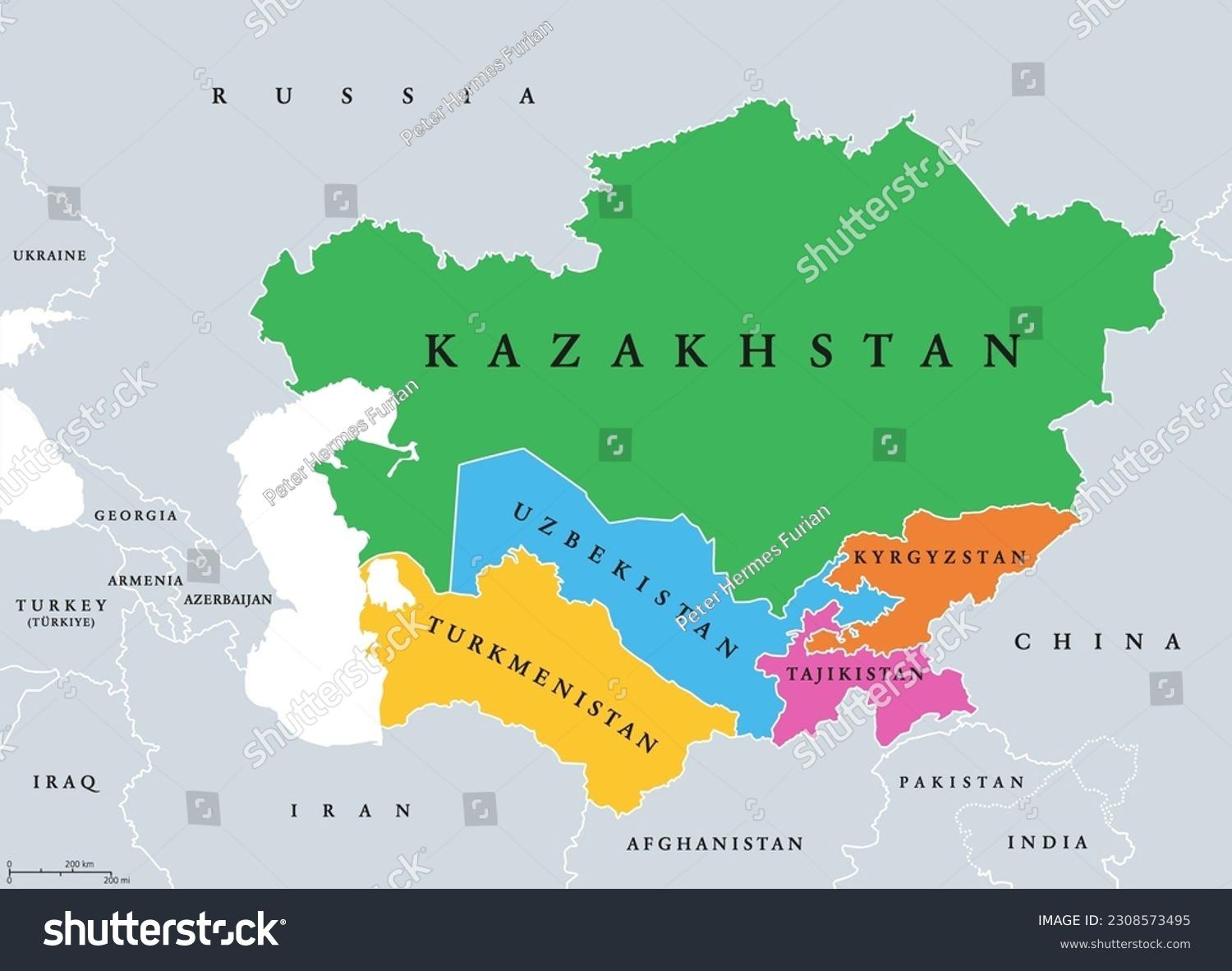
As Central Asia seeks to diversify its digital landscape, the region faces a critical juncture in redefining its internet connectivity. Traditionally reliant on Russian infrastructure, countries like Kazakhstan, Uzbekistan, and Kyrgyzstan are exploring alternative routes to circumvent Moscow’s digital dominance. This shift not only aims to enhance internet resilience and security but also reflects broader geopolitical realignments. In this article, we examine the emerging strategies and partnerships enabling Central Asia to split the flow of data away from Russia, signaling a bold move toward greater digital independence.
Expanding Digital Independence through Alternative Regional Networks
Central Asia’s strategic pivot towards alternative regional internet networks is rapidly reshaping its digital landscape. By investing in new fiber-optic infrastructure and establishing peering agreements with neighboring countries—such as China, Turkey, and Iran—the region aims to reduce reliance on Russia’s legacy routing systems. These moves not only promise improved connection speeds and lower latency but also enhance cybersecurity by diversifying data paths. Analysts note that this diversification could empower governments and private enterprises, fostering greater sovereignty over critical digital infrastructure.
Key developments fueling this shift include:
- Cross-border collaborations that facilitate direct data exchanges without detours through Russian networks
- Expansion of the Trans-Caspian International Communications Cable System, linking Central Asia directly to Europe and the Middle East
- Government-backed initiatives promoting local internet exchange points (IXPs) within Kazakhstan, Uzbekistan, and Turkmenistan
| Country | Current Primary Route | Alternative Route(s) | Projected Bandwidth Increase |
|---|---|---|---|
| Kazakhstan | Via Russia | China, Turkey | +40% |
| Uzbekistan | Via Russia | Iran, Azerbaijan | +35% |
| Turkmenistan | Via Russia | Iran, Caspian Cable | +50% |
Investing in Infrastructure to Diversify Internet Gateways
Central Asia’s quest to reduce dependency on Russian internet gateways hinges on a bold commitment to robust infrastructure investment. Governments and private stakeholders are channeling funds into expanding fiber-optic networks that link the region directly to alternative access points in China, Europe, and the Middle East. This strategic re-routing not only strengthens digital sovereignty but also provides more resilient pathways against potential geopolitical disruptions. Critical to this ambition are cross-border projects that interconnect Central Asian countries with diversified nodes, ensuring data flow is no longer bottlenecked through a single dominant corridor.
Key focal points of this initiative include:
- Development of international submarine cable systems connected through Pakistan and Iran
- Enhancement of terrestrial links reaching European Internet Exchange Points (IXPs)
- Building regional data centers to localize traffic and reduce latency
- Public-private partnerships to expedite deployment and ensure sustainability
| Infrastructure Component | Current Status | Target Completion |
|---|---|---|
| Fiber-optic connection to Europe | Feasibility study completed | 2026 |
| Data center hubs in Kazakhstan & Uzbekistan | Under construction | 2025 |
| International submarine cable via Pakistan | Planning phase | 2027 |
Policy Measures to Foster Cross-Border Connectivity Partnerships
Effective government action is pivotal in enabling Central Asian countries to chart new routes for internet connectivity independent of Russian infrastructure. Establishing regulatory frameworks that incentivize private-sector investments in alternative cross-border fiber optic networks is essential. This includes streamlined permitting processes, tax relief for infrastructure projects, and safeguards for foreign partnerships, which together create a business environment conducive to rapid deployment of new connections with neighboring countries like China, Turkey, and Iran.
Beyond incentives, regional collaboration mechanisms must be enhanced to harmonize technical standards and data-sharing policies. For instance, a newly proposed Central Asia Connectivity Accord could facilitate unified cybersecurity protocols and coherent bandwidth management across borders. The table below highlights critical policy pillars that are currently shaping cross-border internet partnerships in the region:
| Policy Pillar | Key Actions | Impact on Connectivity |
|---|---|---|
| Investment Incentives | Tax breaks, public-private partnerships | Accelerates infrastructure build-out |
| Regulatory Harmonization | Unified standards, simplified licensing | Reduces cross-border friction |
| Data Governance | Shared cybersecurity protocols | Enhances trust & network resilience |
In Summary
As Central Asia seeks to diversify its internet connectivity and reduce reliance on Russia, the region stands at a pivotal crossroads. Pursuing alternative routes not only promises greater digital independence but also the potential to boost economic growth and regional cooperation. While challenges remain—from infrastructure investment to geopolitical complexities—the momentum towards a more autonomous and resilient internet landscape signals a strategic shift with far-reaching implications. How effectively Central Asian nations navigate this transition will shape their digital future in an increasingly interconnected world.