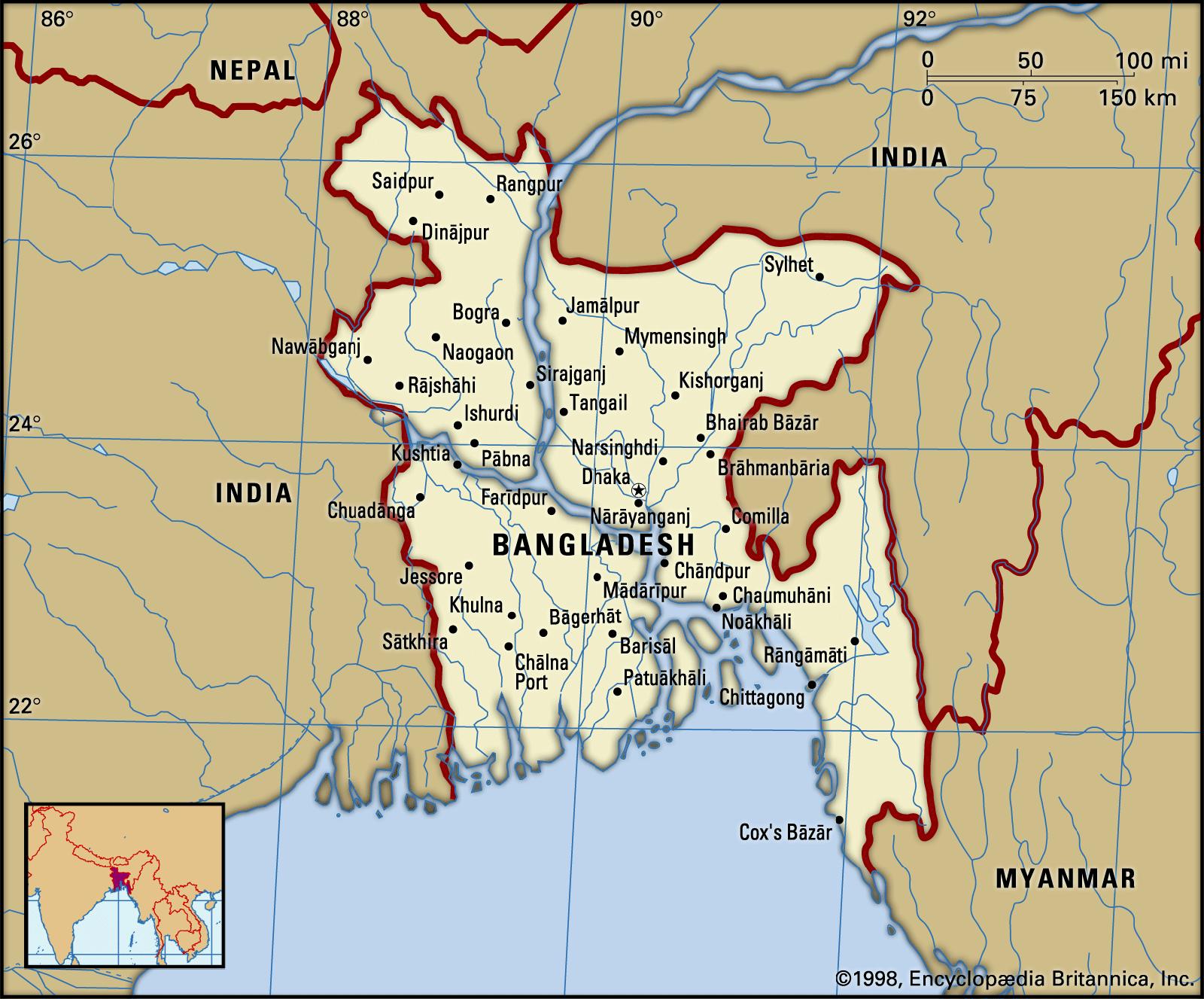
In a bold diplomatic pivot, Muhammad Yunus, the renowned Bangladeshi social entrepreneur and Nobel Peace Prize laureate, has turned his sights toward China, raising eyebrows and questions about the implications of this strategic shift. Once celebrated for his groundbreaking work in microfinance and poverty alleviation, Yunus now finds himself at a crossroads that could redefine not only his legacy but also Bangladesh’s geopolitical landscape. As the nation grapples with economic challenges and international scrutiny, Yunus’s overture to China may signal a desperate but calculated gamble aimed at securing vital support. This analysis delves into the motivations behind Yunus’s move, the potential risks and rewards, and what it could mean for the future of Bangladesh’s foreign relations in an increasingly complex global arena.
Bangladesh’s Strategic Pivot Towards China in Response to Geopolitical Pressures
In recent months, Bangladesh has increasingly leaned towards China as a strategic ally amid escalating geopolitical tensions in South Asia. This shift is largely driven by a series of economic pressures and the need for substantial development aid, as traditional partnerships with Western nations face scrutiny. The Belt and Road Initiative (BRI) has opened avenues for investment, and Bangladesh’s participation embodies a pragmatic response to the complex dynamics of regional politics. Key collaborations include infrastructure projects such as roads, bridges, and energy facilities, all designed to bolster economic resilience and facilitate trade.
However, this newfound alignment has raised concerns regarding the implications of Chinese influence on Bangladesh’s sovereignty and diplomatic autonomy. Critics argue that an overwhelming dependency on China could lead to a debt trap, jeopardizing the nation’s long-term financial stability. Additionally, the pushes for trade agreements and military collaboration further complicate relationships with neighboring India and other regional powers. In light of these developments, the challenges of balancing strategic interests while maintaining national identity will be crucial in determining the sustainability of Bangladesh’s pivot towards its eastern neighbor.
Assessing the Implications of Yunus’s Diplomatic Shift for Regional Stability
The recent shift in Yunus’s diplomatic stance towards China raises significant questions about the implications for regional stability in South Asia. As Yunus seeks to strengthen ties with Beijing, several key dynamics come into play that could alter the geopolitical landscape. This pivot could lead to a realignment of alliances, particularly as China continues to exert its influence throughout the region. Potential outcomes include:
- Increased Chinese investment in infrastructure projects across Bangladesh.
- A shift in Bangladesh’s foreign policy priorities, possibly at the expense of relationships with traditional allies.
- Greater regional tensions, particularly with neighboring India, which may view this development warily.
However, Yunus’s engagement with China is not without its risks. The financial dependency that may arise from closer ties to Beijing could lead to a precarious balance of power within Bangladesh, potentially curtailing its autonomy in decision-making. Factors to consider include:
- The potential for economic over-reliance on Chinese loans and aid.
- Concerns over China’s strategic intentions in South Asia amidst rising competition with India.
- The impact on internal politics, as public sentiment is swayed by nationalistic sentiments.
Policy Recommendations for Strengthening Bangladesh-China Relations Amid Global Challenges
To enhance the bilateral relationship between Bangladesh and China in the face of evolving global challenges, a multifaceted approach is essential. Strengthening trade partnerships should be a priority, with an emphasis on diversifying exports and increasing investment in key sectors such as technology, textiles, and green energy. Additionally, promoting cultural exchanges can foster mutual understanding and appreciation, providing a human dimension to the diplomatic ties. Initiatives may include:
- Establishing sister city relationships.
- Facilitating student exchange programs.
- Encouraging collaborative research in areas such as agriculture and climate change.
Furthermore, enhancing regional cooperation through platforms like the Bangladesh-China-India-Myanmar Forum can address mutual geopolitical concerns and drive collective economic growth. It is imperative to prioritize infrastructure projects that not only benefit Bangladesh but also contribute to China’s Belt and Road Initiative goals. To further this cooperation, consideration should be given to agreements that may include:
| Proposed Agreements | Description |
|---|---|
| Investment Facilitation | Streamlining processes for Chinese investments in Bangladesh. |
| Technology Transfer | Creating frameworks for transfer of technological knowledge. |
| Joint Ventures | Encouraging partnerships in sectors like pharmaceuticals and renewable energy. |
To Wrap It Up
In conclusion, Sheikh Hasina’s decision to engage with China represents a significant shift in Bangladesh’s foreign policy landscape, as Yunus navigates a challenging diplomatic terrain marked by both opportunity and risk. The implications of this move could reverberate throughout the region, influencing not only Bangladesh’s economic prospects but also the intricate balance of power in South Asia. As Yunus seeks to bolster ties with Beijing, observers will be watching closely to see how this relationship evolves and what it ultimately means for Bangladesh’s sovereignty and partnership with other global powers. Amid growing uncertainties, the stakes are high for all parties involved, making this diplomatic gamble a critical point of focus in the broader geopolitical context.