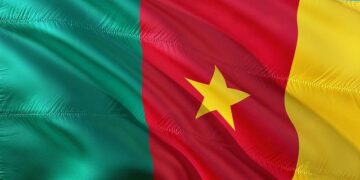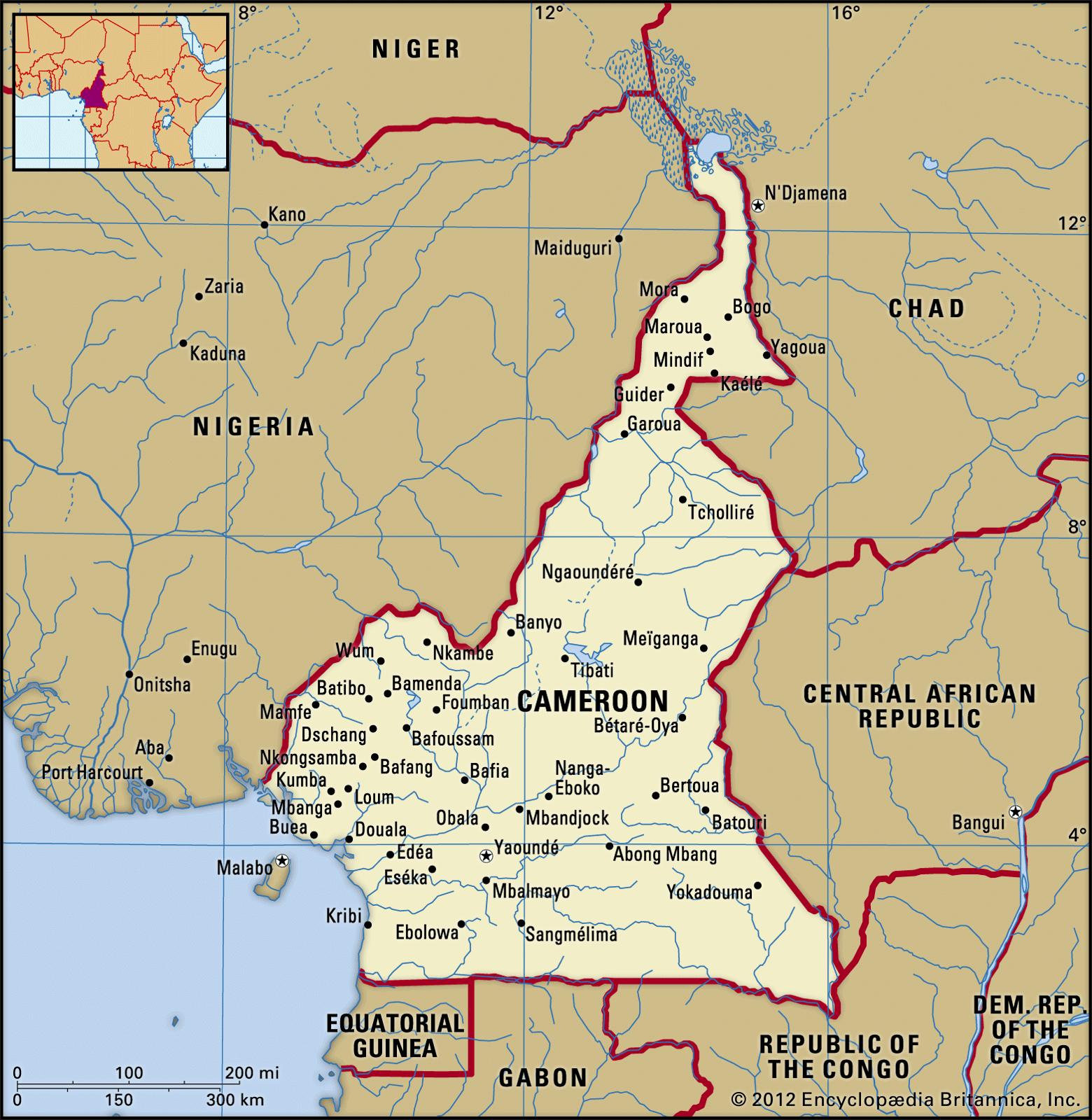
In a significant move ahead of the highly anticipated presidential polling day, Cameroon has officially closed its borders, raising concerns and speculation about the motivations behind this decision. The border closures, which come in the wake of escalating tensions and political unrest, aim to ensure security and order during the electoral process. With the country poised for a crucial vote that could shape its political landscape for years to come, citizens and international observers alike are closely monitoring the situation. As Cameroon prepares to head to the polls, the implications of this border shutdown on the election and regional stability are at the forefront of discussions, underscoring the delicate balance between security and democratic participation.
Cameroon Implements Border Closures to Ensure Security Ahead of Presidential Elections
In a decisive move aimed at preserving national stability, Cameroon has initiated a series of border closures leading up to the crucial presidential elections. Security agencies are on heightened alert to mitigate any potential disruptions during this significant period. The government aims to maintain peace and order by implementing these measures, which are expected to remain in place through the polling day. This preventive action reflects a broader strategy to safeguard the electoral process against any external influences or unrest that could undermine its integrity.
Authorities have outlined specific areas that will be subjected to strict monitoring and surveillance. Key factors in the implementation of these border closures include:
- Enhanced military presence: Additional troops have been deployed to border regions.
- Checkpoints and patrols: Increased checkpoints are established to ensure thorough inspections.
- Collaboration with neighboring countries: Efforts to coordinate with adjacent nations for seamless security measures.
In light of these developments, Cameroonians are urged to remain vigilant and cooperate with authorities. As the nation prepares for this pivotal electoral moment, the emphasis on security is seen as essential to fostering a credible and peaceful voting environment.
Impact of Border Restrictions on Voter Turnout and Regional Stability
As Cameroon enforces strict border restrictions ahead of the upcoming presidential elections, concerns arise regarding its influence on voter turnout. These measures, aimed at ensuring security and preventing unrest, could inadvertently disenfranchise a significant portion of the electorate. Analysts have raised alarms about the potential for reduced participation, particularly among citizens residing in border regions who may find it challenging to access polling stations. Key factors influencing voter turnout include:
- Accessibility of polling locations
- Fear of political violence
- Public awareness and information availability
The impact of these factors could be pronounced, especially in communities where cross-border interactions play a crucial role in civic engagement.
Moreover, these border closures may have wider implications for regional stability. Historically, the interplay between electoral processes and border management has shaped not only local governance but also inter-community relations. In Cameroon’s case, the lack of cross-border movement could lead to heightened tensions and misunderstandings among different ethnic groups. This situation may exacerbate already fragile state-society dynamics, particularly in areas experiencing unresolved grievances. To illustrate this concern, the following table summarizes the potential implications of restrictive border policies on both voter turnout and regional stability:
| Implication | Voter Turnout | Regional Stability |
|---|---|---|
| Decreased Participation | Low | Potential Conflict |
| Increased Tensions | Moderate | High Risk |
| Distrust among Communities | Very Low | Crisis Likely |
Expert Recommendations for Safeguarding Democratic Processes Amid Tensions
As Cameroon prepares for its presidential polling day, experts emphasize the critical need for effective strategies to protect the integrity of democratic processes in a potentially volatile environment. A multi-pronged approach is essential to ensure that both voters’ rights are preserved and the democratic framework remains robust. Key recommendations include:
- Enhancing Electoral Monitoring: Independent observers should be deployed to oversee the electoral process, ensuring transparency and accountability.
- Strengthening Communication: Clear channels of communication between election authorities, civil society, and the public can help alleviate tensions and reduce misinformation.
- Engaging Community Leaders: Mobilizing local leaders to promote peace and encourage voter participation can foster a more supportive atmosphere for democratic exercises.
Additionally, implementing preemptive measures to address potential unrest is crucial. The use of conflict resolution teams, composed of impartial mediators, can provide immediate support in case of disputes. Furthermore, a focus on digital security becomes increasingly important to safeguard against cyber threats aimed at manipulating the electoral process. Regular assessments can help monitor the situation, allowing for timely interventions. A collaborative effort between government agencies, non-governmental organizations, and community stakeholders will ultimately enhance the resilience of the electoral system during these uncertain times.
| Challenges | Recommendations |
|---|---|
| Voter Apathy | Community Engagement Campaigns |
| Public Misinformation | Trusted Media Partnerships |
| Election Violence | Preemptive Conflict Resolution |
To Conclude
In conclusion, the decision by Cameroon to close its borders ahead of the upcoming presidential polling day underscores the government’s heightened focus on maintaining security and order during this pivotal moment. As citizens prepare to cast their votes, the measures reflect both the tense political climate and the administration’s commitment to a peaceful electoral process. With the eyes of the nation and the international community on Cameroon, the implications of this decision will be closely monitored. As polling day approaches, the unfolding events will be critical in shaping the country’s democratic future and its stability.