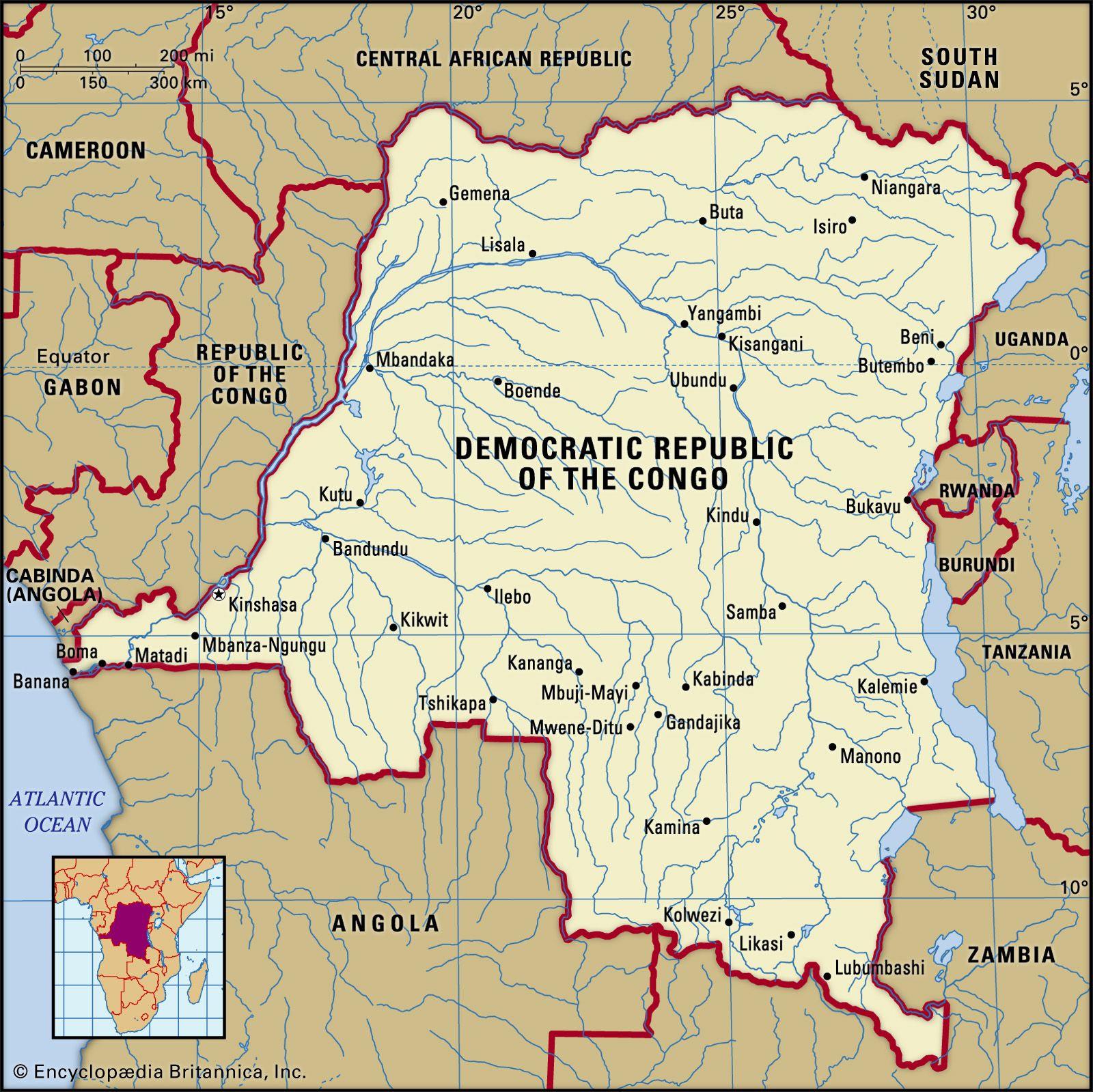
Democratic Republic of the Congo: Health Care Increasingly Difficult to Access in North and South Kivu – ICRC
In the midst of ongoing conflict and instability, accessing essential healthcare services in North and South Kivu has become a dire challenge for millions in the Democratic Republic of the Congo (DRC). A recent report from the International Committee of the Red Cross (ICRC) highlights the alarming deterioration of health care availability in these regions, exacerbated by violence, displacement, and a lack of resources. As communities grapple with the consequences of years of unrest, health outcomes continue to decline, leaving vulnerable populations-particularly women and children-at a heightened risk. The ICRC’s findings serve as a stark reminder of the urgent need for humanitarian assistance and sustainable solutions to bridge the growing gap in health care access within the war-torn provinces.
Health Care Crisis Deepens in North and South Kivu Amid Escalating Conflicts
The ongoing conflicts in North and South Kivu are severely diminishing access to critical health care, leading to a dire public health situation where communities are grappling with both violence and disease. The International Committee of the Red Cross (ICRC) has reported alarming statistics, with health facilities being either destroyed or abandoned, leaving the local population without essential medical services. Before the escalation of hostilities, various health facilities provided a range of services that included maternal care, vaccination programs, and treatment for infectious diseases. Now, as the conflict intensifies, the following challenges are becoming increasingly prevalent:
- Frequent attacks on health workers: Medical personnel are often targeted, complicating efforts to deliver care and support.
- Disruption of supply chains: Access to vital medicines and medical supplies has been greatly hindered, worsening the availability of treatments.
- Displacement of populations: Continuous violence has forced thousands to flee their homes, many of whom now lack access to even the most basic health care services.
In light of these growing challenges, the ICRC is advocating for urgent measures to protect health care workers and facilities. It is essential for humanitarian organizations to re-establish a foothold in these regions to ensure aid delivery. The need for immediate intervention is compounded by the rising threat of communicable diseases in densely populated areas without sufficient sanitation or medical attention. According to recent assessments, the following diseases pose a significant risk:
| Disease | Risk Level | Notes |
|---|---|---|
| Malaria | High | Increased cases due to stagnant water from recent conflicts. |
| Cholera | Moderate | Lack of clean water sources heightens transmission risk. |
| Measles | High | Decline in vaccination rates has led to outbreaks. |
Barriers to Access: The Struggles of Health Facilities in Conflict Zones
The humanitarian crisis in North and South Kivu continues to escalate, presenting significant challenges for health facilities operating within these conflict zones. Frequent violence disrupts healthcare delivery, forcing hospitals and clinics to close or limit their services. Many medical professionals have fled to safer regions, resulting in a critical shortage of skilled personnel. Furthermore, the infrastructure necessary to support health care-including roads and transport systems-has deteriorated, making access to care increasingly hazardous for both patients and providers.
In these areas, the barriers to access are compounded by economic instability, which limits funding and resources for health services. Families are often unable to afford even basic medical care due to widespread poverty. The impact of this situation is dire, as chronic diseases go untreated and maternal and child mortality rates rise. Key issues contributing to the situation include:
- Ongoing armed conflict disrupting health services.
- Lack of essential medical supplies leaving facilities unequipped to provide care.
- Displacement of medical staff resulting in inadequate personnel to treat patients.
- Transportation challenges that hinder access to facilities.
Urgent Recommendations for Improving Health Care Accessibility in Eastern DRC
In light of the escalating health care accessibility crisis in North and South Kivu, immediate action is necessary to alleviate the strain on local populations. Key recommendations include:
- Strengthening local health infrastructure: Investment in health facilities should be prioritized to ensure they are well-equipped and able to handle increased patient loads.
- Enhancing training for healthcare workers: Continuous training initiatives can empower local medical professionals with the skills needed to provide effective care amidst growing challenges.
- Implementing mobile health units: Deploying mobile clinics can bridge the gap for communities in remote areas, providing essential services where traditional access is hindered.
- Improving supply chain logistics: Establishing reliable supply lines for medicines and medical equipment will prevent shortages and improve patient outcomes.
Moreover, fostering partnerships between governmental bodies, NGOs, and community leaders is crucial for a sustainable response. Collaborations could focus on:
- Promoting awareness on health services: Community outreach programs can educate residents about available health services and how to access them.
- Seeking international aid: Actively pursuing support from international organizations can bolster resources and funding for health initiatives in the region.
- Establishing community health committees: Engaging local populations in decision-making processes can tailor health care approaches to meet specific community needs.
The Conclusion
As the humanitarian crisis deepens in the Democratic Republic of the Congo, particularly in the provinces of North and South Kivu, the plight of millions is exacerbated by the deteriorating access to essential health care services. The International Committee of the Red Cross (ICRC) highlights that ongoing violence, displacement, and logistical challenges are severely hindering the delivery of medical assistance to those in desperate need. As the situation unfolds, it is imperative for the international community to prioritize immediate action to support and enhance health care infrastructure in these regions. Only through concerted efforts can we hope to alleviate the suffering of those caught in a cycle of conflict and chaos, ensuring that all individuals have the right to access vital health services. The path to recovery for North and South Kivu hinges on our collective response to this urgent humanitarian challenge.