Exploring Residential Futures: Unpacking Adjustment Intentions in Addis Ababa’s Low-Cost Condominiums
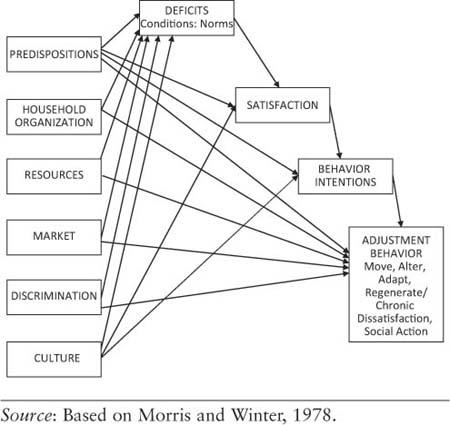
In the heart of Addis Ababa, where rapid urbanization meets a burgeoning population, the demand for affordable housing has never been more pressing. Among various housing solutions, low-cost condominiums have emerged as a vital lifeline for many city dwellers. However, understanding the motivations behind residents’ intentions to adjust their living situations in these developments offers critical insights into the larger dynamics of urban life. A recent study published in Frontiers delves into the determinants that shape residential adjustment intentions among inhabitants of these low-cost condos, revealing not only the socio-economic factors at play but also the cultural and personal aspirations that guide decisions. As Ethiopian cities continue to evolve, deciphering these intentions could prove essential for policymakers and urban planners aiming to enhance living conditions and foster sustainable communities.
Understanding Key Factors Influencing Residential Adjustment Intentions in Addis Ababa’s Low-Cost Condominiums
In the rapidly evolving urban landscape of Addis Ababa, the decision-making process for residents in low-cost condominiums is influenced by a multitude of factors. Among these are economic conditions, which play a pivotal role in shaping intentions regarding residential adjustment. Residents often cite affordability and financial stability as critical components when considering relocating or upgrading their living conditions. Furthermore, access to essential services, such as public transportation, schools, and healthcare, significantly impacts residents’ satisfaction levels and their willingness to remain in or move from their current residences. Improved accessibility can lower the desire for change, as many residents prioritize proximity to work and essential amenities.
Another significant factor is the social environment, which encompasses community relations and neighborhood safety. Residents often express that a supportive community and positive social interactions enhance their living experience, thereby reducing the likelihood of residential adjustment. Furthermore, government policies, particularly those related to housing stability and support, can either encourage or discourage people from seeking new accommodations. For instance, effective regulatory frameworks that guarantee tenant rights can boost confidence in current home environments, leading to lower turnover rates. The table below summarizes these key influences:
| Key Factors | Description |
|---|---|
| Economic Conditions | Affects affordability and financial stability for residents. |
| Access to Services | Proximity to essential amenities influences satisfaction. |
| Social Environment | The quality of community relations impacts residential stability. |
| Government Policies | Regulatory frameworks affect tenant confidence and mobility. |
Evaluating Housing Quality and Community Dynamics as Drivers of Relocation Decisions
Understanding the interplay between housing quality and community dynamics is crucial in assessing why residents contemplate moving from their current homes. In the context of low-cost condominiums in Addis Ababa, numerous factors shape these relocation decisions. For residents, housing quality might encompass physical aspects such as the condition of the building, availability of essential services, and safety features. Furthermore, elements such as access to community facilities, green spaces, and overall neighborhood aesthetics also play a vital role in their satisfaction and willingness to stay. A deteriorating environment or a lack of amenities can prompt individuals to seek better living conditions elsewhere.
Equally important are the community dynamics that influence residential choices. Residents often assess the social fabric of their neighborhoods, considering factors such as neighbor relationships, community engagement, and local socio-economic activities. A tightly-knit community where individuals feel a sense of belonging can deter relocation despite poor housing conditions. In contrast, emerging social issues may lead to dissatisfaction and motivate residents to leave in search of a more cohesive living environment. To fully grasp these motivations, a comprehensive analysis of both tangible housing indicators and intangible community characteristics must be integrated.
| Factor | Impact on Relocation Decision |
|---|---|
| Housing Condition | High influence; deteriorating conditions increase desire to move. |
| Accessibility of Services | Moderate influence; lack of services may drive residents away. |
| Neighborhood Safety | High influence; unsafe environments often prompt relocation. |
| Social Cohesion | Moderate to low influence; strong community ties can mitigate other issues. |
| Community Engagement | Low influence; active participation can enhance satisfaction. |
Recommendations for Policymakers to Enhance Residential Stability in Urban Ethiopia
To foster greater residential stability in urban Ethiopia, policymakers should consider implementing a multifaceted approach that addresses both the socio-economic and infrastructural elements influencing housing decisions. First, enhancing access to affordable housing finance options is crucial. This could involve expanding microfinance schemes that specifically target low-income families, thereby enabling them to secure housing without excessive debt burdens. Second, improving public transportation networks will not only facilitate access to jobs but also make commuting more efficient, reducing the likelihood of residents feeling the need to relocate closer to their workplaces.
Moreover, neighborhood engagement initiatives can significantly empower residents, encouraging community participation in local governance. This includes establishing regular forums where residents can voice concerns and contribute to development decisions, ensuring their needs are prioritized. Additionally, integrating green spaces and community services into urban planning can enhance living conditions and appeal, further discouraging residential turnover. A comprehensive strategy combining these elements can lead to sustainable urban environments, where residents feel anchored and connected to their communities.
Wrapping Up
In conclusion, the study on the determinants of residential adjustment intentions among residents of low-cost condominium housing in Addis Ababa offers significant insights into the complexities of urban living in a rapidly developing context. By highlighting factors such as economic stability, social cohesion, and infrastructural challenges, the research underscores the nuanced motivations that drive individuals’ decisions to relocate or remain in their current homes. As cities like Addis Ababa continue to grow, understanding these dynamics will be crucial for policymakers and urban planners aiming to enhance living conditions and promote sustainable development. As the debate around housing and urbanization intensifies, this study serves as a vital contribution to our understanding of how the affordability crisis impacts residential choices, making it a pressing issue for communities and stakeholders alike. With ongoing changes in the urban landscape, monitoring these trends will be essential for fostering resilient and thriving urban environments.