Title: The Hidden Costs of Melting Ice: Exploring the Socio-Cultural Impact of Glacier Retreat in Santiago, Chile
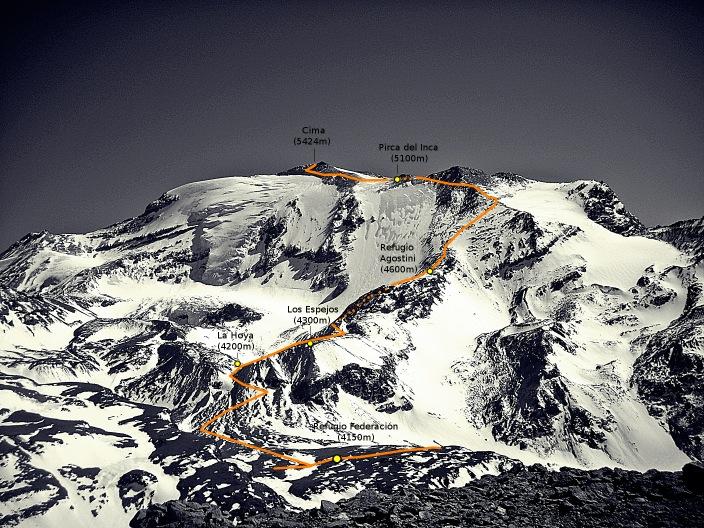
As glaciers around the world continue to shrink under the relentless pressure of climate change, the socio-cultural implications of this phenomenon are often overlooked. A recent case study focusing on Cerro El Plomo, a prominent glacier in the Andes near Santiago, Chile, sheds light on the urgent need to address these consequences. The retreat of this majestic ice formation not only poses environmental challenges but also threatens local cultural identities, traditions, and the intricate relationship communities have with their landscapes. In a region where glaciers are not merely natural landmarks but integral elements of cultural history and heritage, understanding the socio-cultural ramifications of their loss is critical. This article delves into the findings of the study published in Frontiers, highlighting the urgent call for greater attention to the intersection of climate change and social dynamics in the face of a warming planet.
The Disappearing Ice: Unpacking the Social Impact of Glacier Retreat in Santiago
The rapid retreat of glaciers, particularly in the Andes surrounding Santiago, is not merely an environmental issue; it is a profound socio-cultural crisis that affects communities, traditions, and local economies. As glacial landscapes like Cerro El Plomo shrink, the cultural identity tied to these majestic ice formations is at risk. Local populations, including indigenous communities, rely on these glaciers not only for water resources but also for their cultural heritage. The diminishing ice contributes to a sense of loss, affecting traditional practices, historical narratives, and spiritual beliefs associated with the Andes.
Moreover, the implications extend beyond individual experiences to broader community dynamics. As tourism fluctuates in response to the glacial changes, local economies face instability. The decline in travelers seeking adventure and cultural insights derived from these iconic glaciers leads to fewer jobs and diminished local revenues. Addressing these changes involves recognizing the social fabric interwoven with glacial ecosystems. It is crucial for policymakers to engage with local stakeholders to foster sustainable practices that honor both the environment and the cultural significance of these landscapes. The integration of ecological preservation with socio-economic strategies could help maintain a balance, promoting resilience in the face of an uncertain future.
Cultural Heritage at Risk: How Melting Glaciers Threaten Indigenous Practices
The accelerated retreat of glaciers, particularly notable in the Andes, poses significant threats to the traditional practices of Indigenous communities. As glaciers melt, the sacred sites that have been pivotal to rituals, agricultural practices, and water sources for these communities are put at risk. The Indigenous peoples of the region historically relied on these glaciers not only for freshwater, but also as cultural symbols and guardians of their heritage. With the ongoing climate crisis, the implications of glacier loss extend beyond environmental challenges, impacting identity, social structure, and cultural continuity.
A case study from Cerro El Plomo exemplifies these losses, as the site has served as a major religious and cultural landmark for Indigenous groups for centuries. The retreat of the glacier exposes buried artifacts and human remains, creating a complex dilemma between archaeological interest and the rights of Indigenous people to their ancestral heritage. The disruption of these historical sites often leads to a sense of disenfranchisement among communities as they merge with modern challenges of preservation and recognition. The following table summarizes some key socio-cultural implications linked to glacier retreat:
| Implication | Description |
|---|---|
| Loss of Sacred Sites | Degradation of sites of spiritual significance |
| Impact on Rituals | Disruption of traditional ceremonies tied to seasonal cycles |
| Water Security | Decrease in reliable freshwater sources |
| Cultural Erosion | Threat to cultural practices and languages |
Urgent Call to Action: Strategies for Sustainable Adaptation in Glacier-Affected Communities
The retreat of glaciers, particularly in regions like Cerro El Plomo, poses significant socio-cultural challenges that must be urgently addressed. As glaciers diminish, they not only impact natural resources but also threaten the livelihoods and cultural heritage of local communities. Traditional practices tied to glacial ecosystems, such as water sourcing and agricultural cycles, are becoming increasingly unpredictable. In response, affected communities are exploring various strategies to adapt sustainably while ensuring that their cultural narratives are preserved. The following approaches are critical for resilient adaptation:
- Community Engagement: Elevating local voices in decision-making ensures that strategies are tailored to the needs and traditions of the people.
- Preservation of Cultural Practices: Supporting initiatives that document and teach traditional knowledge can help maintain cultural identity.
- Adaptive Agricultural Practices: Implementing sustainable farming techniques that account for changing water availability and temperature variations can help secure food sources.
- Water Management Strategies: Establishing systems for equitable water distribution can mitigate conflicts arising from scarcity.
To provide a snapshot of the immediate impacts and potential solutions being explored, a brief overview of community responses is essential:
| Impact of Glacier Retreat | Community Response |
|---|---|
| Reduced water availability | Community-led water conservation initiatives |
| Loss of traditional crops | Promotion of climate-resilient crops |
| Increased natural disasters | Implementation of early warning systems |
| Cultural disconnection | Workshops and cultural festivals to revitalize heritage |
In Conclusion
As the glaciers of Cerro El Plomo continue their retreat, the socio-cultural implications ripple through the communities in Santiago, Chile, demanding urgent attention. This case study not only highlights the stark realities of a warming planet but also underscores the deep connections between environmental change and cultural identity. The insights gathered here serve as a clarion call for policymakers, researchers, and local communities to collaborate in addressing these challenges. By acknowledging and integrating the socio-cultural dimensions of glacier retreat into climate action strategies, we can work towards a more comprehensive approach that respects both the natural world and the resilience of the people who rely upon it. As we move forward, fostering dialogue and understanding will be crucial in navigating the complexities of climate change and protecting the rich heritage tied to these majestic landscapes. The time for action is now-before the stories that these glaciers hold are lost forever.