In the wake of a violent outbreak following Tanzania’s recent elections, authorities have imposed a curfew in the nation’s main city to restore order and ensure public safety. The decision, announced by police officials, comes amid reports of clashes and unrest in various neighborhoods, as tensions flare over the electoral process. This is the latest development in a country grappling with political turmoil and heightened security challenges, raising concerns about the implications for democracy and civil liberties in Tanzania. As residents navigate their daily lives under the new restrictions, the situation remains fluid, with many calling for calm and a return to peaceful dialogue.
Tanzania Implements Curfew in Dar es Salaam Following Election-Related Unrest
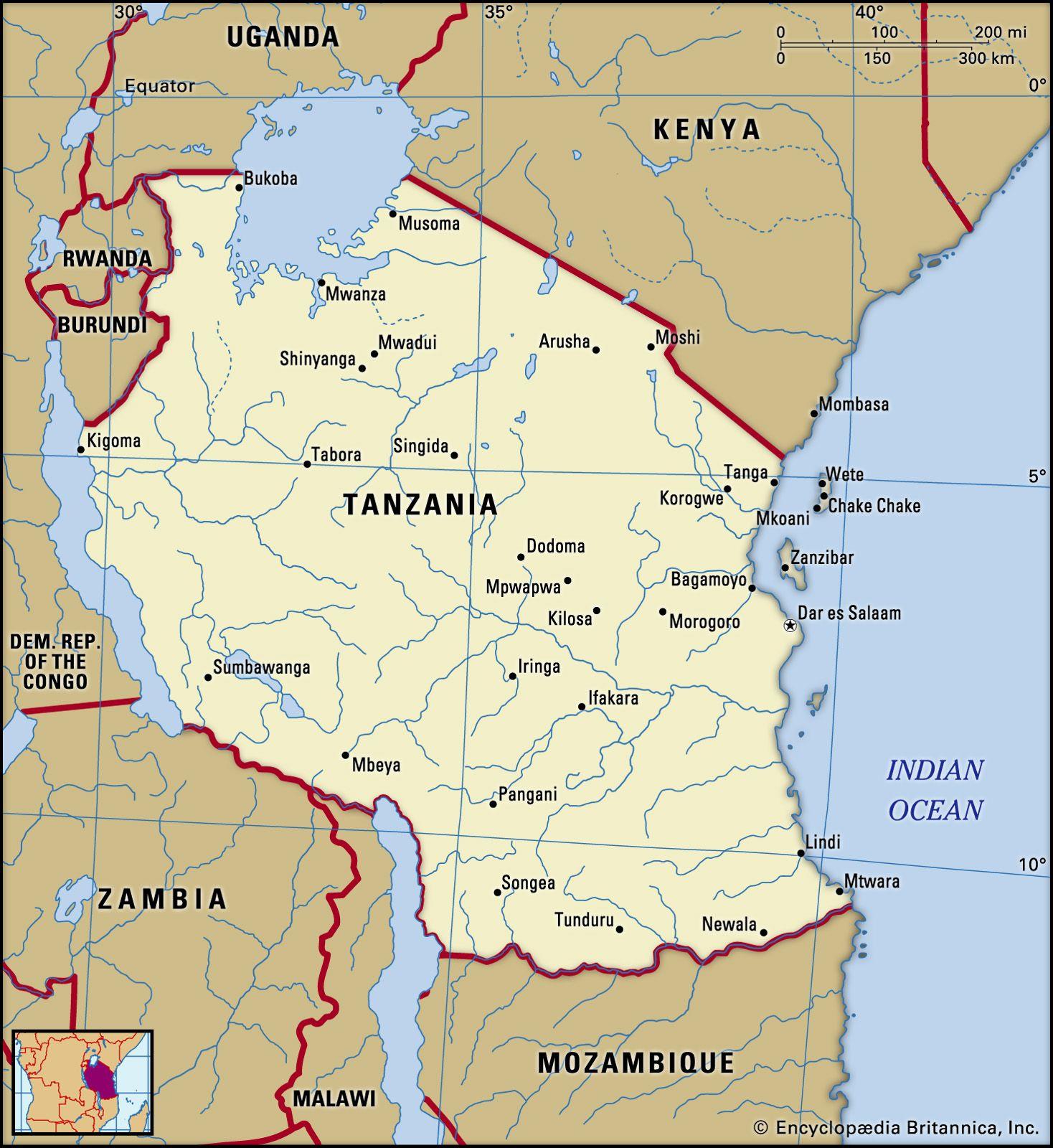
The Tanzanian authorities have imposed a curfew in Dar es Salaam following a series of violent incidents that erupted during the recent national elections. The unrest has prompted a heightened state of alert among security forces as they seek to restore calm in the vibrant city, known for its bustling markets and rich cultural heritage. Residents have been advised to remain indoors during designated hours to avoid potential clashes, which have already resulted in injuries and widespread property damage.
In a move to address the escalating tensions, police have outlined specific conditions regarding the curfew. These include:
- Restricted movement: Citizens are required to limit their activities and stay indoors from dusk until dawn.
- Increased police presence: Law enforcement will patrol neighborhoods to ensure compliance and deter any acts of violence.
- Communication channels: Authorities have urged the public to report any suspicious activities or gatherings immediately.
As the situation unfolds, local businesses are bracing for potential economic fallout from the unrest, with many already witnessing a drop in consumer foot traffic. The government is actively working to engage community leaders in dialogue to address grievances and to promote a peaceful resolution moving forward.
Examining the Causes of Violence in Tanzania’s Recent Elections
The surge of violence during Tanzania’s recent electoral cycle can be traced to a confluence of factors, deeply rooted in the political landscape of the nation. One of the primary contributors is the highly charged political atmosphere, marked by intense rivalry between major political parties. The ruling party’s attempts to consolidate power have led to increasing frustration among opposition supporters, igniting protests and clashes. Furthermore, allegations of electoral malpractice have eroded trust in the electoral process, accentuating feelings of disenfranchisement among voters, which in turn has manifested in unrest and aggression on the streets.
Another significant aspect is the response of law enforcement to the unrest, which has often escalated tensions rather than diffusing them. Critics argue that the police have employed heavy-handed tactics in controlling protests, further alienating the populace and inciting retaliatory violence. Moreover, the absence of a robust conflict-resolution mechanism has left many citizens feeling as though their grievances are neither heard nor addressed, perpetuating a cycle of violence. Growing disparities in socioeconomic conditions across the nation have also fueled frustrations, as marginalized communities perceive political processes as avenues that favor the elite. This compounded situation leads to a precarious environment where violence becomes an all-too-common response to political disappointment.
Recommendations for Restoring Peace and Stability in Tanzania’s Political Landscape
In light of recent events highlighted by election-related violence, it is essential to foster an environment conducive to peace and stability within Tanzania’s political framework. Stakeholders, including government officials, civil society organizations, and international observers, must prioritize dialogue initiatives that promote understanding and collaboration among opposing factions. Key measures to consider include:
- Establishing a National Dialogue Forum: This platform should facilitate discussions among political parties, civic groups, and disenfranchised communities to address grievances and share perspectives.
- Reforming Electoral Processes: Implementing comprehensive electoral reforms that enhance transparency and fairness can rebuild trust in the democratic process.
- Promoting Civic Education: Increasing awareness about civic rights and responsibilities among citizens can empower them to engage constructively in the political landscape.
- Ensuring Security and Neutrality: Police and security forces should operate under clear guidelines to maintain order while being neutral in political matters.
Furthermore, the government and political leaders can benefit from engaging with regional organizations to facilitate peacekeeping missions and establish monitoring systems to quell potential unrest. An investment in social programs aimed at reducing poverty and improving education will also assist in addressing the root causes of discontent. Relevant actions may include:
| Action | Objective |
|---|---|
| Community Workshops | Encourage dialogue and cultural understanding |
| Election Monitoring Teams | Ensure integrity of future electoral processes |
| Youth Engagement Programs | Empower young citizens to participate in politics |
| Partnerships with NGOs | Provide resources and expertise for conflict resolution |
Concluding Remarks
In the wake of the violent unrest that erupted following Tanzania’s recent elections, authorities have imposed a curfew in the main city as part of their response to restore order and ensure public safety. The decision reflects growing concerns over clashes among political factions, highlighting the tense atmosphere that has enveloped the nation during this critical period. As the situation develops, the government faces increasing pressure to address both the immediate threats to security and the underlying issues that have fueled political discontent. Observers around the world will be closely monitoring the impact of these measures on civilian life and the broader implications for Tanzania’s democratic processes. For now, the imposition of a curfew serves as a stark reminder of the challenges that lie ahead for the nation in its pursuit of stability and peace.