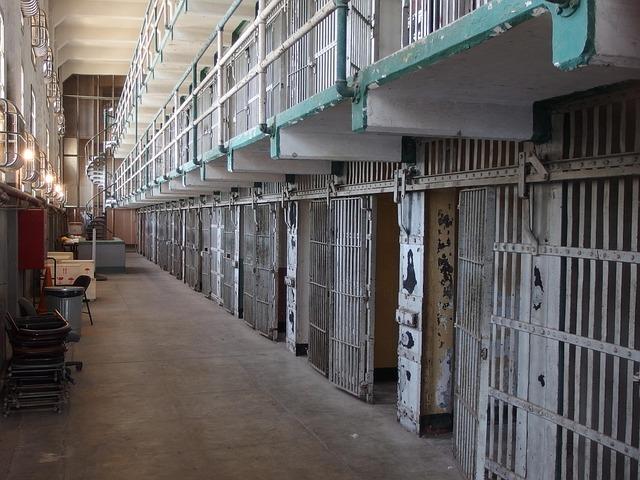
In a recent statement that has captured national attention, Nnamdi Kanu, the leader of the Indigenous People of Biafra (IPOB), openly expressed his refusal to remain incarcerated in Sokoto prison. Speaking through his legal representatives, Kanu cited concerns over his safety and the conditions of his detention as reasons for his stance. This development adds a new dimension to the ongoing discourse surrounding his detention and the broader implications for justice and security in Nigeria.
Why Nnamdi Kanu Rejects Detention in Sokoto Prison
Nnamdi Kanu has openly expressed his refusal to remain in Sokoto prison, citing severe concerns about his safety and overall treatment. According to sources close to the activist, Kanu believes that the conditions at the Sokoto facility are unsuitable for him, highlighting issues such as inadequate medical attention, poor sanitation, and the lack of adequate security protocols to protect high-profile detainees. Kanu’s legal team has also argued that his continued detention there exposes him to unnecessary risks, advocating for a transfer to a facility that can guarantee better protection and respect for his human rights.
- Inadequate healthcare options that fail to address his existing medical needs
- Security concerns due to the prison’s historical vulnerabilities
- Psychological strain caused by isolation and treatment conditions
- Denial of basic rights such as proper visitation and legal access
These factors collectively underpin Kanu’s adamant stance against prolonged detention in Sokoto. His supporters maintain that failing to address these grievances not only undermines justice but also risks inflaming broader socio-political tensions. In recent developments, calls have intensified from multiple civil society stakeholders for authorities to reconsider his place of custody in light of humanitarian and legal standards.
| Issue | Impact | Recommended Action |
|---|---|---|
| Medical Neglect | Deterioration of health | Immediate transfer to medical facility |
| Security Risk | Threat to personal safety | Relocation to high-security prison |
| Human Rights | Violation of detainee rights | Review detention conditions |
The Conditions and Challenges Facing Detainees in Sokoto Prison
Reports emerging from Sokoto prison paint a grim picture of the environment faced by detainees. Overcrowding has become a persistent issue, with cells meant for a fraction of the current population now bursting at the seams. This congestion exacerbates sanitation problems, leading to frequent outbreaks of illnesses like malaria and respiratory infections. Many inmates lack access to basic hygiene products, clean water, and adequate bedding, further compounding the health risks. Furthermore, delays in court proceedings have left numerous detainees in prolonged incarceration without trial, deepening the psychological toll on individuals and their families.
The challenges extend beyond the physical conditions, highlighting administrative and systemic hurdles. Inmates often endure limited access to legal representation, with many unable to communicate with their lawyers due to strict visitation rules or logistical barriers. Added to this are insufficient medical services and inadequate mental health support, which many say are critical given the harsh realities within the prison walls. Key issues include:
- Lack of timely judicial processes
- Inadequate healthcare facilities
- Restricted family visitation rights
- Poor nutrition and limited food variety
| Aspect | Current Status | Ideal Standard |
|---|---|---|
| Cell capacity | 150% over capacity | At or below 100% |
| Average trial delay | 18 months | 3 months |
| Daily inmate meals | 1 meal, low nutrition | 3 balanced meals |
| Medical visits per month | 1 | Multiple as needed |
Recommendations for Improving Prisoners’ Rights and Safety in Nigerian Correctional Facilities
Enhancing the conditions within Nigerian correctional facilities demands a multi-faceted approach centered on respecting human dignity and ensuring safety for all inmates. Immediate measures should include the implementation of regular independent inspections that review the welfare and treatment of prisoners, reducing overcrowding through systematic decongestion policies, and providing adequate healthcare services. Equally important is the professional training of prison staff in human rights standards to foster an environment of respect rather than fear.
To facilitate sustainable reform, the following strategies must be prioritized:
- Improving infrastructure: Upgrading facilities to meet basic sanitation and ventilation standards to prevent disease outbreaks.
- Legal access: Guaranteeing prisoners’ timely access to legal counsel to uphold their right to a fair trial.
- Rehabilitation programs: Introducing education and vocational training aimed at reducing recidivism.
- Psychosocial support: Providing mental health services addressing the trauma associated with incarceration.
| Area of Focus | Recommended Action | Expected Impact | |
|---|---|---|---|
| Health & Sanitation | Upgrade facility hygiene and medical provisions | Reduce illness and mortality rates | |
| Legal Rights | Ensure access to legal representation | Fair trial and faster case resolution | |
| Area of Focus |
Recommended Action |
Expected Impact |
|
| Health & Sanitation | Upgrade facility hygiene and medical provisions | Reduce illness and mortality rates | |
| Legal Rights | Ensure access to legal representation | Fair trial and faster case resolution | |
| Rehabilitation Programs | Implement education and vocational training | Lower recidivism and better social reintegration | |
| Psychosocial Support | Provide mental health and trauma counseling | Improved inmate well-being and behavior | |
| Staff Training | Conduct regular human rights and ethics training | Key Takeaways
In conclusion, Nnamdi Kanu’s outspoken refusal to remain in Sokoto prison underscores ongoing concerns about his detention conditions and the broader implications for justice and human rights in Nigeria. As the legal proceedings continue, his statements add a new dimension to the discourse surrounding his case, highlighting the complexities that lie ahead. Vanguard News will continue to monitor developments closely and provide updates on this evolving story. Related Posts |