
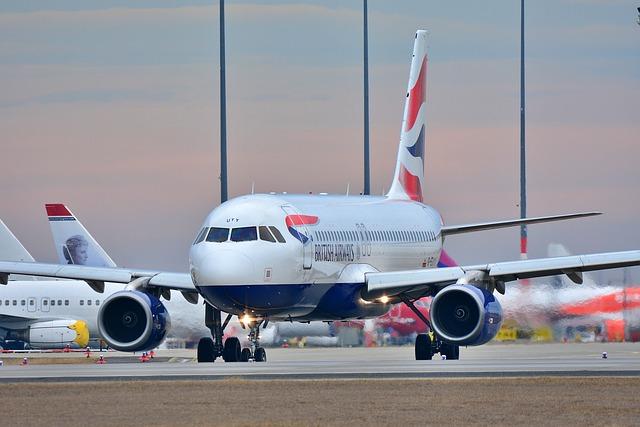

Air travel across Asia has descended into chaos as a series of operational disruptions have led to significant flight cancellations and delays, impacting millions of travelers throughout the region. Major airlines, including China Eastern, Hainan, Shenzhen, All Nippon Airways, Korean Air, and Malaysia Airlines, collectively reported a staggering 94 flight cancellations and over 858 delays within a single day. Travelers found themselves stranded in key hubs such as Beijing, Shanghai, Narita, Fukuoka, and Kuala Lumpur, grappling with the uncertainty of when they might reach their destinations. As airlines struggle to manage the fallout from this unprecedented turmoil, passengers are left searching for answers and alternative travel arrangements in what has quickly become a widespread crisis in the aviation sector.
Airline Disruptions Cause Chaos Across Asia with Mass Cancellations and Delays
Chaos erupted across major Asian airports as a perfect storm of operational issues led to nearly a hundred flights being canceled and over eight hundred delayed. Airlines such as China Eastern, Hainan, Shenzhen, All Nippon, Korean Air, and Malaysia found themselves grappling with unprecedented travel disruptions. Major hubs like Beijing, Shanghai, and Narita became scenes of frustration as travelers were left stranded, uncertain of when they might reach their destinations. The cumulative effect stretched far and wide, impacting not only domestic routes but also international connections, as thousands of passengers remained caught in limbo.
Travelers reported a series of frustrating experiences amid the disruption, including long lines at customer service desks and a lack of timely updates regarding their flight statuses. Key cities facing the brunt of these cancellations and delays included:
- Beijing
- Shanghai
- Narita
- Fukuoka
- Kuala Lumpur
In response, airlines scrambled to rebook passengers and manage the sudden influx of inquiries, leading to heightened demand for available flights-an effort complicated by current travel restrictions and staffing shortages. The impact on local economies and businesses reliant on tourism is yet to be fully assessed, but preliminary reports suggest a significant toll on hospitality services, taxi operations, and connected services that cater to travelers during peak travel seasons.
Impact on Passengers: Thousands Stranded Amid Travel Woes
The chaos in air travel across Asia has left thousands of passengers in limbo as major airlines like China Eastern, Hainan, and Korean Air grapple with unprecedented flight disruptions. Airports in cities such as Beijing, Shanghai, and Narita are witnessing a growing crowd of frustrated travelers, many of whom are facing extensive delays or cancellations that have upended their travel plans. Across the region, airport lounges are filled with anxious families, business travelers scrambling to make it to critical meetings, and vacationers facing uncertainty as they wait for updates from airlines. In most cases, the lack of timely information has only exacerbated what is already a stressful situation.
Key factors contributing to this travel mayhem include inclement weather and operational challenges that have led to 94 cancellations and 858 delays in just a week. Airline representatives have urged travelers to check flight statuses frequently and remain patient during these turbulent times. Passengers are advised to consider alternate routes where available and explore their options for rebooking flights. As airlines work to mitigate the impact of these disruptions, many are also offering compensation and support to those affected. Below is a snapshot of the situation:
| Airlines | Cancellations | Delays |
|---|---|---|
| China Eastern | 20 | 200 |
| Korean Air | 15 | 150 |
| All Nippon | 10 | 100 |
| Hainan | 8 | 80 |
| Shenzhen | 5 | 50 |
Expert Recommendations for Navigating the Current Travel Crisis
As thousands find themselves stranded across major Asian airports due to unprecedented flight disruptions, experts urge travelers to adopt proactive strategies to mitigate stress and secure their travel plans. First and foremost, monitor airline announcements closely to stay informed about cancellations and delays. Setting up flight alerts via mobile apps or emails can provide real-time updates. Moreover, it’s advisable to explore alternative travel routes and nearby airports, which may offer more flexible options or fewer complications. Travelers should not hesitate to reach out to their respective airlines for rebooking options, as many airlines are waiving rebooking fees during this tumultuous period.
Furthermore, it’s essential to maintain flexibility in travel plans. Pack necessary items in your carry-on, including medications, snacks, and chargers, to endure extended wait times. Keeping important travel documents and emergency contacts accessible is also crucial. Some additional tips from industry experts include:
- Staying calm and patient while waiting for updates.
- Joining online travel forums or social media groups to exchange real-time information with fellow travelers.
- Considering travel insurance to cover potential expenses from delays and cancellations.
By staying informed and adaptable, travelers can effectively navigate the ongoing turmoil in air travel.
Wrapping Up
In conclusion, the recent wave of airline disruptions across Asia has left thousands of passengers stranded in major transit hubs, casting a shadow over the region’s travel landscape. With 94 cancellations and 858 delays affecting carriers such as China Eastern, Hainan Airlines, Shenzhen Airlines, All Nippon Airways, Korean Air, and Malaysia Airlines, travelers are grappling with uncertainty as they navigate chaotic terminals in cities like Beijing, Shanghai, Narita, Fukuoka, and Kuala Lumpur. As airline authorities scramble to address the situation, those affected are left to adapt amidst ongoing challenges. The full impact of this operational turmoil remains to be seen, but it serves as a stark reminder of the vulnerabilities still present in the aviation sector. Stakeholders and travelers alike will be watching closely as the situation unfolds, hoping for a swift return to normalcy in air travel across Asia.