
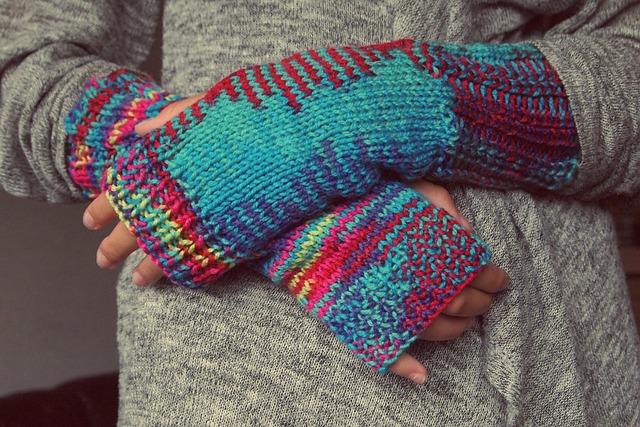

In the northeastern province of Jilin, China, a growing number of women are discovering new avenues for economic empowerment through the timeless art of handicrafts. As traditional industries face challenges and urban job markets become increasingly competitive, these skilled artisans are turning to their creativity and cultural heritage to carve out flexible employment opportunities. From intricate embroidery and weaving to the creation of traditional garments, Jilin’s women are not only preserving their cultural identity but also contributing to their families’ livelihoods. This article explores how these enterprising individuals are harnessing their talent and resilience to adapt to a changing economy, while also fostering community bonds and innovation in the realm of handicrafts.
Empowering Women in Jilin through Handicrafts as a Path to Flexible Employment
In Jilin province, the rise of handicraft initiatives has become a beacon of hope for women seeking flexible employment opportunities. By embracing their traditional skills or learning new crafts, local women are not only generating income but also fostering a sense of community. The various handicrafts produced-including embroidery, weaving, and pottery-are not just means of livelihood; they represent cultural heritage that is being preserved and celebrated. Through workshops and cooperative businesses, many have found a platform to showcase their creations, thereby expanding their market reach beyond local boundaries.
These initiatives are bolstered by both governmental support and grassroots movements that provide resources and training tailored to the needs of women. The following benefits highlight the transformative impact of such programs:
- Flexible Work Hours: Women can manage their work schedules around family commitments, enabling a balance between professional and personal life.
- Skill Development: Access to training programs enhances craftsmanship and helps women to monetize their hobbies effectively.
- Community Building: Collaborative efforts strengthen social bonds and support networks among women in the region.
Additionally, local governments have introduced financial assistance and incentives, empowering these women entrepreneurs to invest in their craft. As the demand for unique and artisanal products rises, many women are transitioning from traditional domestic roles to confident business owners. The impact can be summarized as follows:
| Aspect | Impact |
|---|---|
| Economic Stability | Increased household income, reducing poverty levels. |
| Cultural Preservation | Reviving traditional arts and crafts. |
| Social Empowerment | Boosting self-esteem and community engagement. |
Exploring the Economic Impact of Handicraft Production in Northeast China
The rise of handicraft production in Northeast China, particularly in Jilin province, has emerged as a crucial avenue for economic development and entrepreneurial growth. Women, who are often the backbone of this traditional craft sector, find flexible employment opportunities that enable them to balance work and family commitments. This engagement not only contributes to individual household incomes but also strengthens community resilience and cultural identity. The local government has supported these initiatives through various programs aimed at providing skills training, access to resources, and market connectivity.
Moreover, the handicraft sector has a significant multiplier effect on the regional economy. It stimulates local supply chains, promotes tourism, and fosters the preservation of cultural heritage. The economic contributions of handicraft production are evident in various areas, including:
- Job Creation: Increased employment opportunities in rural areas.
- Skills Development: Women acquire valuable skills and knowledge.
- Income Diversification: Families benefit from additional sources of revenue.
- Cultural Preservation: Traditional crafts are maintained and modernized for new markets.
To illustrate the economic impact of handicraft production, the following table highlights the income generated by female artisans in Jilin over the past few years:
| Year | Average Income (CNY) | Number of Artisans |
|---|---|---|
| 2021 | 8,000 | 150 |
| 2022 | 10,500 | 200 |
| 2023 | 12,000 | 250 |
Promoting Sustainable Development: Recommendations for Supporting Women Artisans in Jilin
To effectively bolster the capabilities of women artisans in Jilin and promote sustainable development, several targeted strategies can be implemented. First, fostering access to education and skill development programs can empower these women to hone their craft and expand their knowledge of modern marketing practices. Workshops that focus on sustainable materials and innovative techniques not only enhance skill sets but also encourage eco-friendly production methods. Second, establishing cooperative networks can facilitate collaboration among artisans, enabling them to share resources, exchange ideas, and advocate for their rights, thereby strengthening their economic position and community ties.
Moreover, integrating local and regional markets into the artisans’ supply chains remains crucial for their economic viability. Supporting online platforms that showcase their products can broaden their reach, tapping into both national and international audiences. Additionally, local governments and NGOs can play a vital role by providing financial incentives and grants aimed specifically at women-led initiatives, ensuring that these artisans overcome initial barriers to entry. Encouraging public awareness campaigns around handicrafts not only elevates the artisans’ profile but also fosters an appreciation for traditional craftsmanship that is sustainable and culturally significant.
Final Thoughts
In conclusion, the emergence of flexible employment opportunities through handicrafts in Jilin province not only empowers women economically but also catalyzes a cultural revival of traditional craftsmanship. As these artisans navigate the intersection of creativity and entrepreneurship, they are redefining their roles within the community and showcasing the potential of handicrafts as a sustainable livelihood. As more women turn their passions into profit, initiatives that support and promote these endeavors will be crucial in fostering economic resilience and social empowerment in the region. The success stories of these women are a testament to the transformative power of innovation and dedication in the face of evolving socioeconomic landscapes in northeastern China.