Nanjing: A Historical Jewel Along the Yangtze River
Nanjing, a city steeped in rich history and cultural significance, stands as a testament to China’s illustrious past. Once the capital during the Ming Dynasty, Nanjing played a pivotal role in shaping the nation’s political and cultural landscape. Nestled along the banks of the mighty Yangtze River, it has long served as a crucial hub for commerce and trade. As we delve into the layers of Nanjing’s history, we explore its transformation from a bustling capital to a modern metropolis, reflecting the resilience and dynamism of Chinese civilization. From its ancient architecture to its profound historical narratives, Nanjing offers a captivating glimpse into the legacy of one of the world’s oldest continuous civilizations. Join us as we uncover the stories that echo through the streets of this remarkable city, highlighting its significance in the annals of both the Ming Dynasty and China’s contemporary identity.
Nanjing’s Historical Significance as the Capital of the Ming Dynasty
Nanjing, steeped in rich history, serves as a testament to the might and vision of the Ming Dynasty, which established the city as its capital in the early 14th century. Under the leadership of Emperor Hongwu, Nanjing transformed into a political and cultural epicenter, marked by its robust walls and exquisite architecture. The city became the birthplace of the Ming Dynasty, where pivotal decisions were made, leading to the dynasty’s expansion and the consolidation of power across China. Significant structures from this era, such as the City Wall, characterized by its formidable design and extensive length, reflect the engineering prowess of the time. Other notable sites include:
- Purple Mountain – A sacred area featuring the Ming Xiaoling Mausoleum.
- The Ming Palace – Once a grand residence for emperors, showcasing opulence now lost to time.
- Confucius Temple – A hub of education and culture that embodies the philosophical spirit of the period.
This historical period solidified Nanjing’s status not only as a military stronghold but also as a flourishing center for commerce, learning, and the arts. The legacy of the Ming Dynasty is further underscored by its contributions to trade along the Yangtze River, which facilitated the exchange of goods, ideas, and culture. This strategic location allowed Nanjing to serve as a vital link between the central plains and the southern regions of China, effectively enhancing its economic influence. To illustrate its prominence:
| Key Elements | Description |
|---|---|
| Military Significance | Defensive walls that protected against invasions. |
| Cultural Impact | Flourishing arts and literature during the Ming period. |
| Economic Role | Trade hub benefiting from the Yangtze River. |
Exploring the Cultural Treasures Along the Yangtze River
Nanjing, a vibrant city steeped in history, serves as a critical point of cultural intersection along the Yangtze River. Once the imperial capital of the Ming Dynasty, it boasts a rich tapestry of historical sites and artifacts that reflect its storied past. Visitors can traverse through time as they explore significant landmarks such as the Ming Xiaoling Mausoleum, the final resting place of the first Ming emperor, and the awe-inspiring Sun Yat-sen Mausoleum, which commemorates the founding father of modern China. Highlights also include:
- The Nanjing City Wall – One of the longest ancient city walls in the world.
- The Qin Huai River – A picturesque waterway lined with traditional architecture.
- The Ming Palace – The remnants of a once-grand imperial residence.
The cultural landscape is further enriched by museums and theaters that narrate both celebrated and somber chapters of the city’s history. Notably, the Nanjing Massacre Memorial Hall serves as a poignant reminder of the atrocities faced during the Second Sino-Japanese War, offering visitors a reflective space to honor the lives lost. Meanwhile, the China Nanjing International Plum Blossom Festival showcases the city’s natural beauty and artistic heritage, celebrating the resilience embodied in its historical narrative. To illustrate the harmony between culture and nature:
| Festival | Date | Highlight |
|---|---|---|
| China Nanjing International Plum Blossom Festival | February – March | Blooming plum trees and cultural performances |
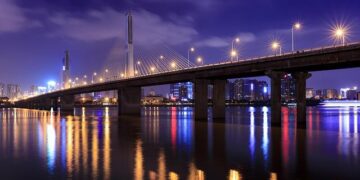
| Nanjing Yangtze River Bridge Festival | July | Rituals, music, and fireworks |
Travel Guide: Uncovering Nanjing’s Must-See Landmarks and Experiences
Nanjing, rich in history and cultural significance, is a city that invites travelers to explore its many layers. Prominent landmarks reflect its storied past, particularly those from the Ming Dynasty, when it served as the capital. Visitors cannot miss the Ming Xiaoling Mausoleum, an architectural masterpiece nestled in a lush, serene setting. Its grand entrance, flanked by stone animals, leads to the tomb that honors the first emperor of the Ming Dynasty. Another must-see is the Nanjing Massacre Memorial Hall, a somber tribute to the lives lost during the events of World War II, offering an insightful perspective on resilience and remembrance.
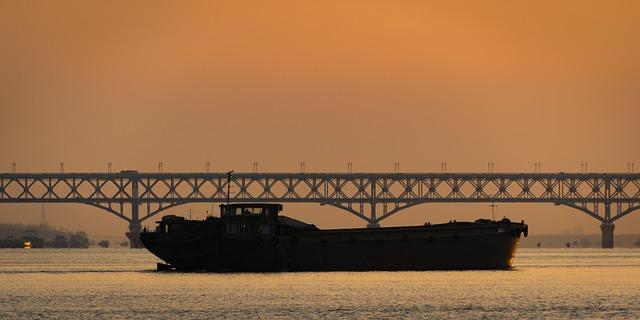
For a holistic understanding of Nanjing, take a leisurely stroll along the Yangtze River, the longest river in Asia, which plays a central role in the city’s landscape and economy. Make sure to visit the Sun Yat-sen Mausoleum, where the founding father of modern China rests, surrounded by panoramic views that encompass the beauty of the region. Culinary enthusiasts will delight in trying local specialties like Nanjing salted duck and duck blood soup, alongside visiting bustling street markets that showcase the vibrancy of daily life. Each experience in Nanjing adds a new layer to its rich tapestry, ensuring that every traveler leaves with unforgettable memories.
Wrapping Up
In conclusion, Nanjing stands as a testament to China’s rich historical tapestry, from its pivotal role as the capital during the Ming Dynasty to its strategic position along the Yangtze River. The city’s profound cultural legacy and architectural marvels continue to draw attention, offering insights into a past that shaped not only the region but also the nation. As China looks towards the future, Nanjing’s significance as a historical and economic hub remains as relevant as ever, bridging the ancient with the modern. With ongoing preservation efforts and a vibrant urban landscape, Nanjing is poised to maintain its status as a must-visit destination for historians, tourists, and locals alike. As we reflect on its multifaceted heritage, the city serves as a reminder of the enduring power of history in shaping our present and future.