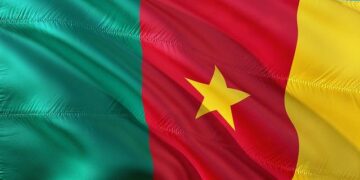
In a significant political development, Paul Biya, the long-standing president of Cameroon, has secured an eighth term in office at the age of 92, extending his rule to an unprecedented 43 years. The recent elections have reaffirmed Biya’s dominance in the nation’s political landscape, despite ongoing criticisms regarding governance, corruption, and human rights concerns. As one of Africa’s longest-serving leaders, Biya’s victory not only reflects the entrenched political structure in Cameroon but also raises questions about the future of democracy in the country. This article explores the implications of Biya’s continued presidency amid mounting challenges both domestically and internationally.
The Implications of Paul Biya’s Extended Rule on Cameroon’s Political Landscape
The re-election of Paul Biya for an unprecedented eighth term signifies not only the continuation of his lengthy tenure but also the entrenchment of a political status quo that many believe stifles democratic growth in Cameroon. With over four decades in power, Biya’s administration has faced persistent criticisms regarding human rights abuses, limited press freedoms, and suppression of opposition voices. The implications of his extended rule are multifaceted, reflecting both historical inertia and contemporary challenges within the nation.
As the country grapples with issues like corruption, the handling of the ongoing Anglophone crisis, and economic instability, Biya’s prolonged leadership raises questions about the future of governance in Cameroon. The absence of effective political competition may deter the emergence of new leaders who could address the pressing needs of the populace. Key implications include:
- Political Stagnation: A lack of fresh perspectives in leadership may hinder innovation and reform.
- Increased Opposition Mobilization: Discontent with Biya’s rule may galvanize opposition groups, leading to potential civil unrest.
- International Relations: Continued reign may affect foreign investment and assistance, as partners reevaluate ties with a government seen as static.
Assessing the Impact of Biya’s Leadership on Civil Liberties and Governance
Paul Biya’s prolonged tenure, now extended into its 8th term, has raised significant concerns regarding the state of civil liberties and governance in Cameroon. Critics argue that during his leadership, there has been a noticeable decline in democratic freedoms, characterized by increased government repression and limited press freedom. The principles of democracy, such as the right to free expression and assembly, appear to be undermined, leading to a political environment where dissent is met with severe consequences. This has fostered a culture of fear among citizens, stifling open debate and civic engagement essential for a healthy democracy.
The governance style of Biya has often been described as autocratic, marked by the consolidation of power within the executive branch. Reports indicate the systematic marginalization of opposition parties and manipulation of electoral processes, raising questions about the legitimacy of his electoral victories. Under his administration, several human rights organizations have highlighted a trend of arbitrary detentions, torture, and violent crackdowns on protesters, exacerbating the humanitarian situation. The following table illustrates key indicators of civil liberties during Biya’s rule:
| Indicator | Current Status | Trend Over Years |
|---|---|---|
| Press Freedom | Poor | Declining |
| Political Participation | Restricted | Stagnant |
| Judicial Independence | Weak | Declining |
| Freedom of Assembly | Limited | Declining |
International Reactions to Biya’s Continued Tenure and Future Prospects for Cameroon
The recent extension of Paul Biya’s presidency, following his re-election for an eighth term, has prompted a range of international reactions, reflecting a global divide regarding governance and democratic practices. Many Western nations have expressed concern over the implications of Biya’s continued rule, highlighting issues such as human rights violations, systemic corruption, and stunted democratic processes. Organizations like Amnesty International and the European Union have strongly criticized the electoral process, emphasizing the need for reforms to ensure transparency and fair representation in Cameroon. Additionally, the United States government has called for intensifying dialogues among political factions to avert further instability, stressing the importance of civil liberties and electoral integrity.
Conversely, some African nations have shown support for Biya, arguing that stability is paramount in a region beset by conflict and insecurity. This viewpoint suggests that Biya’s long tenure has helped maintain a semblance of peace amidst chaos in neighboring countries. A table highlighting the contrasting perspectives offers a snapshot of the international community’s stance:
| Region | Reactions |
|---|---|
| Western Nations |
|
| African Allies |
|
In Retrospect
In conclusion, Paul Biya’s recent victory in securing an eighth term highlights the enduring influence of his leadership in Cameroon, as well as the complexities surrounding governance in the region. At 92 years old, Biya’s continued presence in power raises questions about political longevity and the future trajectory of democratic practices in the country. As Cameroon faces pressing challenges, including economic pressures and social unrest, observers will be watching closely to see how his administration navigates these issues in the coming years. The implications of Biya’s extended rule will resonate not only within Cameroon but also across the broader African political landscape, where the balance between stability and democratic evolution remains a contentious and evolving narrative.