
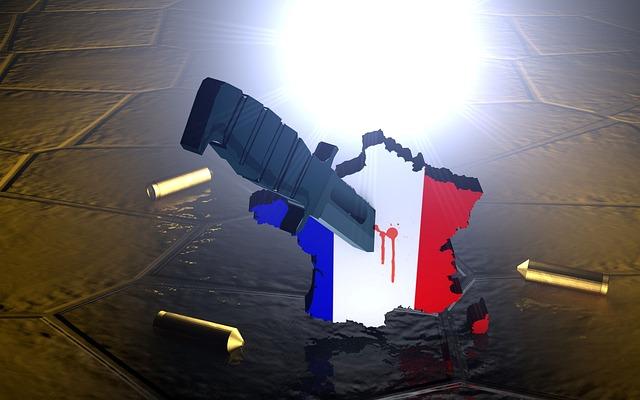

10 Years Since Paris Terror Attacks: A Reflection on Security and Solidarity in Europe
As the world marks the tenth anniversary of the devastating terrorist attacks in Paris on November 13, 2015, the European Commission reflects on the profound implications these events have had on security policies and social cohesion across the continent. The coordinated assaults that claimed 130 lives and injured hundreds more highlighted vulnerabilities within European cities and set off a wave of reforms aimed at enhancing counter-terrorism measures and improving intelligence sharing among member states. In the years since that fateful night, Europe has grappled with the balance between safeguarding public safety and preserving civil liberties, while also striving to foster resilience within communities. This anniversary not only serves as a somber reminder of the tragedy but also invites a critical examination of the progress made and the challenges that lie ahead in the ongoing fight against extremism and the promotion of solidarity within the EU.
Reflecting on Resilience and Security in the Aftermath of the Paris Attacks
As we mark a decade since the tragic events that unfolded in Paris, the focus on resilience has never been more pertinent. The responses from the communities affected and the broader European landscape illustrate a collective determination to combat hate with unity and strength. The memories of those lost have catalyzed robust initiatives aimed at fostering social cohesion and promoting intercultural dialogue. In this period, it is essential to recognize the efforts made across various sectors to enhance our security framework, reinforcing the principle that resilience lies in solidarity and shared values.
The European Commission has been instrumental in shaping policies that prioritize both security and civil liberties. This commitment is reflected in various strategic actions, including:
- Strengthening intelligence-sharing among EU member states
- Enhancing counter-terrorism legislation
- Promoting community engagement programs to combat radicalization
- Investing in training for law enforcement to better respond to incidents
A recent report outlines the challenges and achievements post-attacks, highlighting the need for adaptive strategies in the fight against extremism. The table below summarizes key milestones in security collaborations since the attacks:
| Year | Milestone |
|---|---|
| 2016 | Adoption of the European Agenda on Security |
| 2018 | Launch of the Radicalization Awareness Network (RAN) |
| 2020 | Implementation of the EU Security Union Strategy |
| 2023 | Introduction of new cybersecurity measures |
Strengthening European Unity: Lessons Learned from a Decade of Terrorism Responses
As Europe marks a decade since the tragic Paris terror attacks, it is essential to evaluate the lessons learned in combating terrorism across the continent. Over these years, European nations have implemented a range of counter-terrorism measures that not only focus on security but also emphasize resilience and social cohesion. Key takeaways include:
- Enhanced Information Sharing: Improved intelligence cooperation among Member States has fostered a more proactive approach in identifying potential threats.
- Community Engagement: Initiatives that engage local communities in counter-terrorism discussions have helped to build trust and solidarity, undermining the narratives of extremist groups.
- Decentralized Response Mechanisms: Recognizing that a one-size-fits-all strategy is ineffective, countries have tailored their responses to local contexts and needs.
Moreover, the rise of new technological tools has transformed Europe’s approach to security. The implementation of advanced surveillance systems and data analytics has facilitated timely interventions. However, this also raises concerns about privacy and civil liberties. To balance these interests, the following strategies have surfaced:
| Strategy | Purpose |
|---|---|
| Public Awareness Campaigns | Educate citizens about recognizing and reporting suspicious activities. |
| Prevention Programs | Address underlying radicalization causes through education and social integration. |
| Policy Reforms | Ensure legal frameworks adapt to emerging threats while protecting individual rights. |
Innovating Counter-Terrorism Strategies: Recommendations for a Safer Future in Europe
As Europe reflects on the decade since the Paris terror attacks, a reinvigorated dialogue around counter-terrorism strategies is essential for enhancing public safety. This contemplation underscores the need for a multi-faceted approach that not only addresses immediate threats, but also tackles the underlying issues that fuel radicalization. Experts advocate for the development of community-based programs that focus on social cohesion and resilience. Initiatives should aim to strengthen inter-community relations, promote cultural understanding, and engage youth through educational opportunities, thereby diminishing appeal to extremist ideologies.
Furthermore, enhancing intelligence-sharing among European nations can significantly strengthen collective security. Establishing a centralized information hub may facilitate faster responses to emerging threats and streamline operations across borders. The integration of cutting-edge technology, including artificial intelligence and data analytics, will provide law enforcement agencies with better predictive capabilities. Additionally, fostering public-private partnerships with tech companies can aid in developing solutions to identify and counteract online radicalization efforts. As we navigate the complexities of a resilient future, these recommendations provide a pathway towards a safer Europe.
The Way Forward
As we commemorate a decade since the tragic Paris terror attacks, the reflections and responses from the European Commission underscore the ongoing commitment to preserving peace and security across the continent. The lessons learned from that dark day serve as both a somber reminder of the challenges faced and a call to action for a united and resilient Europe. As nations continue to grapple with the complex landscape of terrorism, this anniversary also highlights the importance of solidarity, collaboration, and vigilance in safeguarding democratic values and human rights. Moving forward, the challenges remain significant, but the resolve to build a safer, more inclusive Europe endures. As we remember the victims, we reaffirm our dedication to ensuring that such acts of violence are never repeated.