
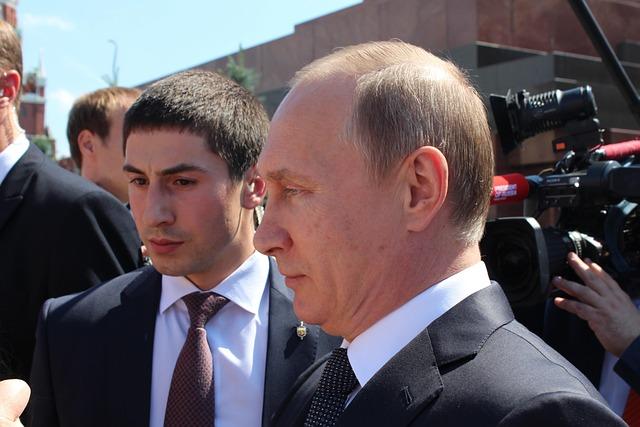

In a dramatic escalation of ongoing tensions, Russia has accused Ukraine of attempting to launch an attack on President Vladimir Putin’s official residence, a claim Kyiv has swiftly dismissed as disinformation. According to Russian officials, an alleged drone strike targeted the Kremlin complex, purportedly aimed at assassinating the Russian leader. However, Ukrainian authorities vehemently deny the allegations, asserting that they are part of a broader narrative crafted by Moscow to justify its military actions and galvanize domestic support amidst the protracted conflict. This latest episode underscores the deeply entrenched animosities between the two nations as they navigate a war that has already claimed countless lives and reshaped geopolitics in the region. As both sides brace for potential repercussions, the international community watches closely, grappling with the implications of this incendiary exchange.
Ukraine Denies Allegations of Attack on Putin’s Residence Amid Heightened Tensions
In a sharp rebuttal to Moscow’s accusations, Ukrainian officials have dismissed claims that their forces attempted an attack on Russian President Vladimir Putin’s residence. The allegations surfaced amid ongoing tensions between the two nations, with Ukraine insisting that these narratives serve merely as a propaganda tool for the Kremlin. The Ukrainian government characterized the claims as unfounded and deceptive, asserting that such announcements coincide with efforts to distract from internal challenges facing Russia.
Analysts suggest that the timing of these accusations may be strategic, aimed at rallying domestic support for the Russian government during a period of intensified conflict. To better understand the situation, the following points outline Ukraine’s stance:
- Denial of the Attack: Ukraine maintains that no such operation took place.
- Claims of Misinformation: Kyiv accuses Moscow of fabricating the narrative to manipulate public perception.
- Focus on Diplomacy: Ukraine reaffirms its commitment to diplomatic resolutions rather than escalatory actions.
Analysis of the Implications of Escalating Claims Between Kyiv and Moscow
The recent allegations by Moscow that Ukraine attempted to attack President Vladimir Putin’s residence mark a significant escalation in the already fraught relations between the two nations. Ukraine has categorically denied these claims, labeling them as “false provocations” aimed at justifying Russia’s ongoing offensive operations. This situation threatens to exacerbate existing tensions and may lead to a further militarization of the conflict, as both sides bolster their narratives for domestic and international audiences. An environment of distrust is being cultivated, which could hinder potential diplomatic negotiations and solidify the divide between the countries.
As this narrative unfolds, the implications extend beyond the immediate military posturing. Analysts are closely monitoring a number of factors that could reshape the conflict landscape:
- International Response: Increased scrutiny from Western nations could prompt a reassessment of military and financial support for Ukraine.
- Public Sentiment: Rising nationalism in both countries may repel calls for peace negotiations, reinforcing hardline stances.
- Strategic Alliances: Russia may seek to strengthen ties with other nations facing similar geopolitical pressures.
In examining the broader repercussions, a comparison of military readiness could shed light on the potential outcomes of this heated exchange:
| Country | Estimated Military Expenditure (2023) | Active Personnel |
|---|---|---|
| Russia | $87 billion | 1 million |
| Ukraine | $40 billion | 250,000 |
This striking gap in military resources underscores the challenges facing Ukraine, as it navigates a precarious path amid accusations and the looming specter of a protracted conflict.
Recommendations for Diplomatic Engagement to Mitigate Conflict in Eastern Europe
In light of escalating tensions between Russia and Ukraine, it is crucial for diplomatic channels to remain open and proactive. Engaging in dialogue can significantly reduce misunderstandings and prevent further escalation. Key recommendations for this diplomatic engagement include:
- Regular Bilateral Talks: Establish routine meetings between Russian and Ukrainian representatives to discuss mutual concerns and reaffirm commitments to peace.
- Third-Party Mediation: Involve neutral countries or international organizations to facilitate discussions and offer unbiased perspectives on contentious issues.
- Crisis Communication Mechanisms: Create direct communication lines between military leaders to prevent accidental confrontations and misunderstandings.
- Public Diplomacy Campaigns: Encourage initiatives that promote cultural exchanges and public understanding to foster a sense of shared identity.
Additionally, addressing the underlying issues fueling the conflict will be critical for lasting peace. Consider the following actions:
| Issue | Potential Solution |
|---|---|
| Territorial Disputes | Encourage joint economic development projects in contested areas to build cooperative ties. |
| Media Misinformation | Implement joint fact-check initiatives to combat false narratives and restore public trust. |
| Military Escalations | Establish a demilitarized zone, monitored by international observers, to prevent armed clashes. |
To Conclude
As the conflict between Russia and Ukraine intensifies, the latest accusations surrounding an alleged attack on President Vladimir Putin’s residence further complicate the already volatile landscape. While Moscow claims that Kyiv sought to target its leader, Ukrainian officials have dismissed these assertions as fabrications intended to justify escalated military actions and bolster domestic support. As both sides continue to exchange allegations, the broader implications of this incident could reshape international perceptions and responses to the ongoing war. Observers worldwide will be watching closely to determine the veracity of these claims and their potential impact on diplomatic relations in the region. The situation remains fluid, and developments in the coming days could hold significant consequences for both nations and their ongoing struggle.