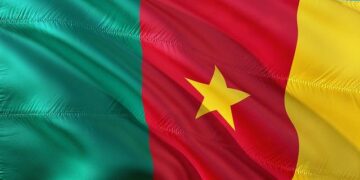
In a significant political milestone, Paul Biya, the world’s oldest serving president, has secured re-election in Cameroon at the age of 92. His victory, formally announced in the wake of contentious elections, solidifies his long-standing grip on power, which has spanned over four decades. Biya, who first assumed the presidency in 1982, faced a challenging contest amid rising economic concerns and public discontent. His triumph raises questions about the future of governance in Cameroon and the implications of his continued leadership in a rapidly evolving political landscape. As the nation reflects on this momentous event, the implications of Biya’s reign and the electoral process will undoubtedly become focal points for both domestic and international observers.
Paul Biya Secures Another Term: Implications for Cameroon’s Political Landscape
In a significant development for Cameroon’s political realm, Paul Biya’s re-election at the age of 92 solidifies a status quo that has persisted for decades. His victory reinforces the political dominance of the Cameroon People’s Democratic Movement (CPDM), a party that has faced criticisms over its governance but has managed to maintain power through a combination of political maneuvering and strategic alliances. With the election results, the implications for the opposition and civil society could be profound, as they grapple with the reality of another term under Biya’s long-standing rule. Many analysts predict a continuation of existing policies that prioritize stability at the cost of democratic reforms.
The ramifications of Biya’s extended presidency could lead to increased challenges for national cohesion, particularly amidst ongoing separatist conflicts in the Anglophone regions. Observers note that the perceived lack of political renewal should prompt concern for the country’s youth, who make up a significant portion of the electorate but feel disenfranchised by the current leadership. Key factors to watch in this new term include:
- Political repression: Increased crackdowns on dissent may escalate.
- Economy: How will Biya’s administration address economic challenges and unemployment?
- International relations: Will foreign aid and relations shift in response to governance issues?
Aging Leadership and Democratic Challenges: The Case of Paul Biya in Cameroon
At the remarkable age of 92, Paul Biya, the long-serving president of Cameroon, has secured yet another electoral victory, raising pertinent questions about the implications of aging leadership in a rapidly evolving democratic landscape. Critics argue that Biya’s extended tenure, now spanning over four decades, has stifled political pluralism and perpetuated a culture of stagnation, as well as a lack of meaningful reforms. Public discontent grows, as many citizens yearn for renewed leadership that reflects the aspirations and challenges of a younger, more diverse population. Factors contributing to the ongoing support for Biya include:
- Established Power Dynamics: Biya’s entrenched connections within political circles have allowed him to maintain a tight grip on power.
- Economic Considerations: Some constituents fear that a change in leadership could destabilize the economy, which has faced its own unique pressures.
- Security Concerns: Ongoing issues with separatist movements in the northwest and southwest regions create a context where continuity in leadership is perceived as a necessity for stability.
However, this victory does not come without its critics. Observers note that Biya’s advanced age raises concerns about his ability to govern effectively and engage with pressing national issues. As Cameroon grapples with challenges like corruption, unemployment, and social unrest, the need for a younger, dynamic leadership is becoming increasingly urgent. A closer look at recent electoral outcomes reveals trends that underscore these frustrations:
| Year | Voter Turnout (%) | Opposition Seat Gains |
|---|---|---|
| 2011 | 74 | 5 |
| 2018 | 54 | 8 |
| 2023 | 52 | 12 |
The declining voter turnout juxtaposed with the increasing number of opposition seat gains in recent years highlights a significant shift in public sentiment. As Biya’s government faces mounting pressures, the critical question remains: how long can a leadership marked by age and longevity navigate the turbulent waters of modern governance?
Analyzing Voter Sentiment: What Biya’s Victory Means for Cameroon’s Future
The recent electoral victory of Paul Biya, now serving his seventh term at the age of 92, has generated a complex array of sentiments among voters in Cameroon. While some segments of the population express relief and support for continuity, others voice profound discontent regarding the implications of another extended Biya presidency. Key factors influencing voter sentiment include:
- Stability vs. Change: Supporters argue that Biya’s leadership signifies stability in a country prone to political unrest.
- Youth Disengagement: Many young voters feel disconnected from the political process, leading to apathetic attitudes toward the election.
- Economic Concerns: Issues such as unemployment and inflation remain critical, raising doubts about the government’s effectiveness.
As Biya embarks on his new term, analysts anticipate significant challenges that could shape the future of Cameroon. The administration’s response to pressing issues, including governance reforms and the management of ethnic tensions, will likely dictate public mood moving forward. A brief analysis of the voting demographics reveals:
| Demographic | Support (%) | Opposition (%) |
|---|---|---|
| Urban Voters | 40 | 60 |
| Rural Voters | 65 | 35 |
| First-time Voters | 30 | 70 |
This juxtaposition reveals a fractured electorate, where age, location, and socio-economic background play pivotal roles in shaping voter preferences. For Cameroon, navigating these divergent perspectives will be crucial as it grapples with the realities of prolonged governance under Biya’s leadership.
To Wrap It Up
In conclusion, Paul Biya’s reelection at the age of 92 marks a significant chapter in Cameroon’s political landscape and further solidifies his status as the world’s oldest serving president. His victory underscores the complexities of governance in a nation grappling with economic challenges and sociopolitical unrest. As Biya embarks on yet another term, the focus will be on his ability to address the pressing issues facing the nation while navigating the expectations of a population yearning for change. The international community will be closely watching how this election influences Cameroon’s trajectory in the coming years, as citizens and analysts alike ponder the implications of enduring leadership in an evolving global context.