
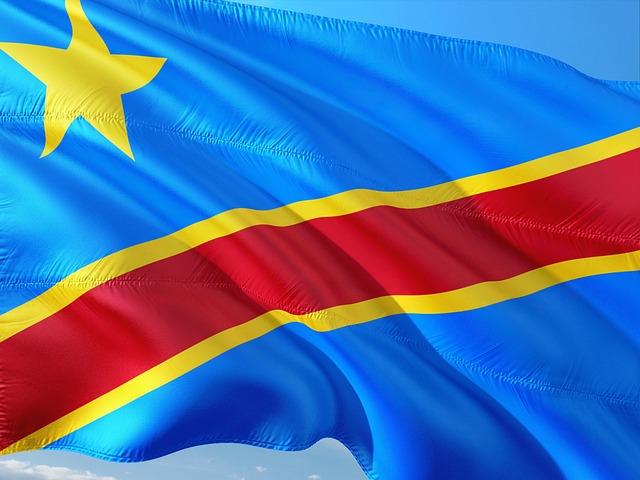

Democratic Republic of Congo in Crisis: A Report by Human Rights Watch
The Democratic Republic of Congo (DRC), a nation rich in natural resources yet plagued by instability, faces an escalating crisis that threatens the lives and rights of millions of its citizens. A recent report by Human Rights Watch underscores the dire humanitarian situation, highlighting rampant violence, widespread displacement, and egregious human rights violations that have become alarmingly commonplace. As armed conflicts intensify, compounded by political turmoil and inadequate governance, the DRC’s vulnerable populations find themselves caught in a cycle of suffering that demands urgent international attention. This article delves into the findings of the Human Rights Watch report, examines the underlying factors contributing to the crisis, and explores the implications for the future of this beleaguered nation.
Escalating Violence and Human Rights Violations in the Democratic Republic of Congo
The Democratic Republic of Congo is currently facing an alarming surge in violence that is further exacerbating the already critical human rights situation across the nation. Armed groups continue to operate with impunity, targeting civilians and displacing countless families in various regions, particularly in the eastern provinces. The escalating conflict has led to numerous reports of atrocities, including massacres, sexual violence, and recruitment of child soldiers, leaving communities in a state of fear and instability. Survivors of these brutal attacks often find themselves without access to essential services, demonstrating a glaring failure of both local and international efforts to restore peace and security.
International organizations have documented a range of human rights violations, highlighting several key issues that demand urgent attention from the global community. Among them are:
- Systematic executions and torture of suspected dissidents.
- Widespread sexual and gender-based violence against women and children.
- Forced displacements and arbitrary arrests of individuals based on their ethnic origin.
- Obstruction of humanitarian aid, hindering access to critical support and resources for affected populations.
The situation calls for immediate intervention from both national authorities and the international community, emphasizing the need for accountability and comprehensive strategies to protect the rights of civilians. Without decisive action, the cycle of violence is set to perpetuate, leading to even greater instability and profound humanitarian crises in the heart of the continent.
Urgent Need for International Accountability and Support in Crisis Response
The ongoing crisis in the Democratic Republic of Congo highlights an urgent necessity for a robust framework of international accountability and support. With severe human rights violations and widespread humanitarian distress affecting millions, the global community must take decisive action. A coordinated response is essential to address the escalating violence, displacement, and inequality. Key measures that should be prioritized include:
- Enhanced monitoring and reporting of human rights abuses to ensure perpetrators are held accountable.
- Increased humanitarian aid to address immediate needs such as food, shelter, and healthcare.
- Support for peacebuilding initiatives that encourage dialogue and reconciliation among conflicting parties.
Moreover, the lack of timely intervention underscores the need for international organizations to amplify their presence and resources in the region. Collaborative efforts, especially among neighboring nations and international bodies, can strengthen peacekeeping missions and ensure stability. An effective response should also include:
| Action Item | Description |
|---|---|
| Coalition Building | Forming alliances among civil society, governments, and NGOs for comprehensive action. |
| Resource Allocation | Directing funds and materials towards conflict-affected communities. |
| Awareness Campaigns | Raising global consciousness about the ongoing crisis through media and public advocacy. |
Strengthening Civil Society: Recommendations for a Sustainable Path to Peace and Justice
The ongoing crisis in the Democratic Republic of Congo underscores the need for robust civil society engagement as a cornerstone for establishing sustained peace and justice. Empowering local organizations is essential for monitoring human rights violations, advocating for legal reforms, and mobilizing communities to hold authorities accountable. To achieve this, stakeholders should consider the following actions:
- Enhance Funding Opportunities: Increase financial support for grassroots organizations that work tirelessly on human rights issues.
- Foster Partnerships: Build coalitions among civil society groups, international NGOs, and governmental bodies to share resources and expertise.
- Promote Education and Training: Equip civil society actors with skills in advocacy, negotiation, and conflict resolution to amplify their impact.
Furthermore, developing an inclusive policy framework that recognizes the role of civil society in governance will facilitate better engagement between citizens and the state. A strategic focus on transparency and accountability is vital, as demonstrated in the following table, which outlines the potential impact of policy reforms:
| Policy Reform | Expected Impact |
|---|---|
| Strengthened Legal Protections for NGOs | Reduces harassment and improves operational security |
| Regular Human Rights Reporting | Increases awareness and mobilizes international support |
| Community Conflict Resolution Programs | Reduces local tensions and fosters reconciliation |
Insights and Conclusions
In conclusion, the ongoing crisis in the Democratic Republic of Congo underscores a severe humanitarian and human rights predicament that demands urgent global attention. With escalating violence, widespread displacements, and pervasive attacks on civil liberties, the situation remains dire for millions of Congolese citizens. As highlighted by Human Rights Watch, the international community must not only acknowledge these pressing issues but also take concrete actions to support the restoration of peace and the protection of human rights in the region. With a history marred by conflict and exploitation, the time has come for a concerted effort to address the underlying causes of this crisis, ensuring a future where dignity and justice prevail for all Congolese people. The eyes of the world must remain focused on the DRC as we seek to bring about meaningful change for this nation and its resilient populace.