
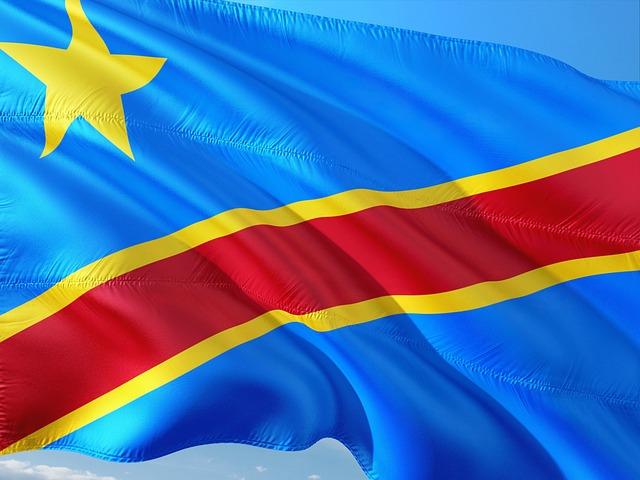

In the Democratic Republic of the Congo’s South Kivu province, escalating violence has triggered a humanitarian crisis, displacing thousands of families from their homes. As armed groups intensify their activities, the International Committee of the Red Cross (ICRC) reports a significant increase in the number of internally displaced persons seeking safety and assistance. Families are fleeing their communities in search of refuge, facing dire conditions and limited access to basic necessities. The ICRC’s urgent call for support highlights the need for immediate intervention to address the growing needs of those affected by the ongoing conflict in this resource-rich but troubled region. As the situation unfolds, the struggle for survival continues for many Congolese citizens caught in the crossfire of violence and instability.
Violence Escalates in South Kivu Displacing Thousands as Humanitarian Crisis Deepens
The humanitarian situation in South Kivu has deteriorated dramatically as violence continues to surge, pushing thousands of families to abandon their homes in search of safety. Armed clashes between rival factions have erupted in various regions, leading to widespread fear and instability. Local authorities and humanitarian organizations report that the number of internally displaced persons (IDPs) has skyrocketed, with many families facing dire conditions in makeshift camps. Reports indicate that essential supplies such as food, clean water, and healthcare are becoming increasingly scarce:
- Over 100,000 people displaced in the last month alone.
- Thousands lack access to clean drinking water, raising concerns of potential outbreaks of waterborne diseases.
- Humanitarian aid organizations struggle to provide necessary support amid ongoing violence.
The ongoing conflict has had devastating implications for vulnerable populations, especially children and women, who bear the brunt of the crisis. The International Committee of the Red Cross (ICRC) has ramped up its emergency response, delivering critical aid and mobilizing resources to assist those affected. However, the scale of need far surpasses the available assistance. Local leaders are urging the international community to recognize the urgent need for humanitarian intervention, with an emphasis on protecting civilians and restoring peace. The situation raises alarm bells about the long-term stability of the region and the well-being of its citizens. Below is a summary of the current conditions:
| Aspect | Details |
|---|---|
| Displacement | 100,000+ people fled |
| Healthcare Access | Limited medical facilities |
| Food Security | Critical shortages reported |
| International Aid | Insufficient resources available |
ICRC Urgent Appeal: Addressing Immediate Needs of Displaced Families in South Kivu
The ongoing violence in South Kivu has led to a catastrophic humanitarian situation, with thousands of families forcibly displaced from their homes. The International Committee of the Red Cross (ICRC) is urgently mobilizing resources to address the immediate needs of these vulnerable populations. Providing essential services is critical to ensure their well-being during this crisis. Key priorities for ICRC’s assistance include:
- Access to Clean Water: Ensuring that displaced families have reliable access to clean drinking water to prevent waterborne diseases.
- Emergency Shelter: Providing temporary shelters to protect families from the elements and further violence.
- Food Distribution: Offering food aid to meet the basic nutritional needs of those who have lost their livelihoods during the conflict.
- Medical Care: Facilitating health services to treat both physical and mental health issues arising from the trauma of displacement.
As the situation unfolds, the ICRC is coordinating efforts with local partners to deliver humanitarian assistance efficiently. A comprehensive assessment of the needs in various camps highlights the urgency for continued support. The following table outlines the immediate resource requirements identified by the ICRC:
| Resource Required | Quantity Needed | Target Beneficiaries |
|---|---|---|
| Water Purification Kits | 1,500 | 7,500 individuals |
| Emergency Shelter Kits | 2,000 | 10,000 individuals |
| Food Rations (per family) | 3 months | 5,000 families |
| Medical Supplies | 3,000 units | 15,000 individuals |
With the international community’s support, the ICRC is committed to alleviating the suffering of those affected by this conflict and restoring dignity to people in desperate need. The situation demands immediate action to prevent further deterioration of living conditions for displaced families in South Kivu.
Long-term Solutions Required to Stabilize South Kivu and Support Affected Communities
The humanitarian crisis in South Kivu demands urgent and sustainable interventions to address the root causes of violence and provide relief to displaced communities. Immediate humanitarian assistance, including food, shelter, and medical care, is essential; however, these measures must be complemented by long-term strategies aimed at fostering peace and stability in the region. Key initiatives should encompass:
- Community Resilience Programs: Supporting local governance structures and community-led initiatives to rebuild trust and facilitate conflict resolution.
- Economic Opportunities: Investing in vocational training and micro-financing projects to empower displaced individuals and promote self-sufficiency.
- Healthcare Access: Strengthening healthcare systems to ensure vulnerable populations receive consistent medical support and mental health services.
- Educational Support: Establishing safe learning environments for children, coupled with educational scholarships to reduce dropout rates in conflict-affected areas.
Moreover, collaboration between local authorities, NGOs, and international organizations will play a pivotal role in implementing these long-term solutions. Continued dialogue among community leaders is vital to addressing grievances and reducing tensions. The integration of conflict-sensitive approaches in developmental programming is equally crucial to prevent exacerbating existing tensions. A comprehensive framework that includes:
| Action | Expected Outcome |
|---|---|
| Establish Conflict Resolution Mechanisms | Reduced community violence and improved relations. |
| Enhance Livelihood Programs | Stronger economic stability and reduced migration. |
| Expand Access to Education | Increased enrollment rates and improved future prospects for youth. |
| Implement Health Outreach Initiatives | Greater access to vital health services and education awareness. |
Final Thoughts
As the violence in South Kivu escalates, the plight of thousands of families continues to unfold amidst a backdrop of chaos and uncertainty. The International Committee of the Red Cross (ICRC) has highlighted the urgent need for humanitarian assistance as communities grapple with the dislocation and trauma caused by ongoing conflict. The sheer scale of the displacement underscores the fragility of the region and the pressing need for sustained international attention and support. As the situation develops, it is imperative that both the global community and local authorities work collaboratively to address not only the immediate needs of those affected but also the underlying factors contributing to this pervasive instability. The stories of resilience amid despair remind us that beyond the headlines, it is the human experience that remains at the heart of this crisis. Ending the cycle of violence and paving the way for peace will require a concerted effort, one that prioritizes the lives and dignity of those who have been forced to flee their homes.