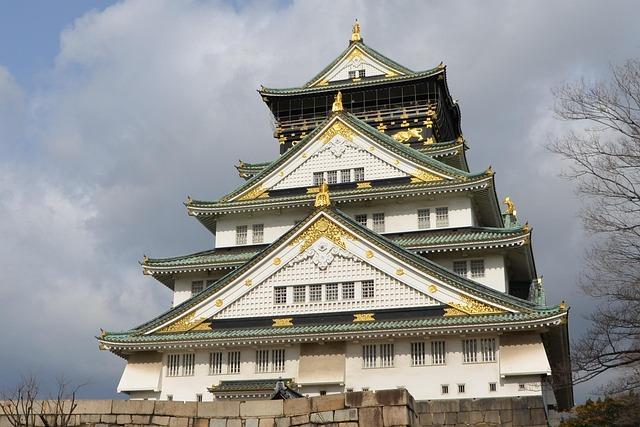
In a significant policy shift, the city of Osaka has decided to abandon its controversial proposal to impose a new tax on foreign tourists, a move that was met with widespread criticism from travel industry stakeholders and international visitors alike. Originally aimed at bolstering the local economy, the tax plan faced pushback over concerns that it could deter tourism and impact Osaka’s reputation as a welcoming destination. The decision reflects the city’s ongoing efforts to strike a balance between economic recovery post-pandemic and maintaining its status as a vibrant hub for travelers from around the globe. This article explores the implications of this decision and what it means for Osaka’s burgeoning tourism sector.
Osaka Abandons Tourist Tax Proposal Amid Backlash and Economic Concerns
In response to mounting criticism from both residents and businesses, Osaka officials have decided to retract their proposal for a tourist tax that aimed to levy fees on foreign visitors. The move came after concerns were raised about its potential impact on the local economy, especially as the city seeks to recover from the pandemic’s harsh effects. Many stakeholders argued that imposing such a tax would deter tourists, who are crucial for post-COVID recovery, and hurt businesses that rely heavily on foreign patronage.
The tax proposal had initially been framed as a way to generate revenue for improving local infrastructure and services, aimed at enhancing the overall visitor experience. However, the backlash highlighted these key points:
- Economic Recovery: Many argued that the priority should be on revitalizing the economy, not taxing its lifeblood.
- Competitiveness: With competing tourist destinations in Asia also vying for visitors, a tax could make Osaka less attractive.
- Public Sentiment: Surveys indicated that a majority of Osaka residents preferred policies that encouraged tourism rather than penalized it.
Analysis of the Impact on Local Businesses and Tourism Recovery Efforts
The decision to drop the proposed tax on foreign tourists in Osaka has been met with a mix of relief and optimism from local business owners and stakeholders within the tourism sector. In recent years, businesses reliant on international visitors, such as restaurants, hotels, and attractions, have faced unprecedented challenges due to the pandemic. By forgoing this tax initiative, Osaka aims to stimulate a gradual recovery, encouraging foreign travelers to return and subsequently supporting the local economy. The effects of such a decision can be illustrated through a few key points:
- Increased Tourist Inflow: By maintaining a tax-free environment, Osaka is likely to attract more foreign tourists who are sensitive to additional expenses.
- Support for Small Enterprises: Local shops and vendors stand to gain significantly, as foot traffic increases in popular tourist areas.
- Enhanced International Image: A welcoming stance can improve Osaka’s reputation as a tourist-friendly destination, fostering long-term loyalty among visitors.
To quantify the anticipated benefits, a simplistic look at the projected revenue change highlights the potential gains from an influx of tourists without the burden of a tax. The following table outlines estimated figures based on an increase in tourist visits:
| Year | Estimated Tourist Arrivals | Projected Revenue (in million yen) |
|---|---|---|
| 2023 | 5 million | 150 billion |
| 2024 | 8 million | 240 billion |
| 2025 | 10 million | 300 billion |
This strategy not only highlights a commitment to revitalizing the city’s economy but also showcases a collaborative approach where local businesses and the government can unite towards a common goal of sustainable tourism recovery.
Recommendations for Future Policy to Balance Revenue Needs and Visitor Experience
In light of the recent decision by Osaka to abandon its proposed tax on foreign tourists, local policymakers should consider alternative strategies that address revenue generation without compromising the visitor experience. This could involve exploring a mix of dynamic pricing models for attractions and public services that adjust based on demand, ensuring that peak times generate higher revenue without discouraging visitors during off-peak periods. Additionally, the implementation of a voluntary contribution system could allow tourists to give financially based on their satisfaction and personal experience, fostering goodwill while economically benefiting the destination.
Furthermore, investing in sustainable tourism development can create a balance between visitor capacity and community resources. By concentrating on initiatives such as sustainable transport options and eco-friendly accommodations, Osaka can enhance the overall visitor experience while firmly addressing the need for local revenue. A collaborative approach involving stakeholders in the tourism sector can also yield valuable insights, ensuring that policies not only reflect the economic realities but also prioritize the unique cultural heritage that attracts tourists in the first place. These proactive steps can pave the way for a tourism model that is both economically viable and enriching for all parties involved.
In Conclusion
In conclusion, Osaka’s decision to abandon its proposed tax on foreign tourists marks a significant shift in the city’s approach to international visitors. Amid ongoing recovery efforts in the wake of the pandemic, local officials recognized the potential ramifications such a tax could have on tourism, a vital sector for the region’s economy. As cities worldwide continue to navigate the delicate balance between revenue generation and attracting visitors, Osaka’s retreat from this controversial measure underscores the importance of fostering a welcoming environment for tourists. As the city looks ahead, stakeholders will undoubtedly be monitoring the implications of this decision on Osaka’s revitalization strategy and its reputation as a preferred destination in Japan.

![How I Spent 72 Hours in Osaka, Japan [Things To Do, What To Eat] – Upgraded Points](https://capital-cities.info/wp-content/uploads/2026/06/230359-how-i-spent-72-hours-in-osaka-japan-things-to-do-what-to-eat-upgraded-points-360x180.jpg)