
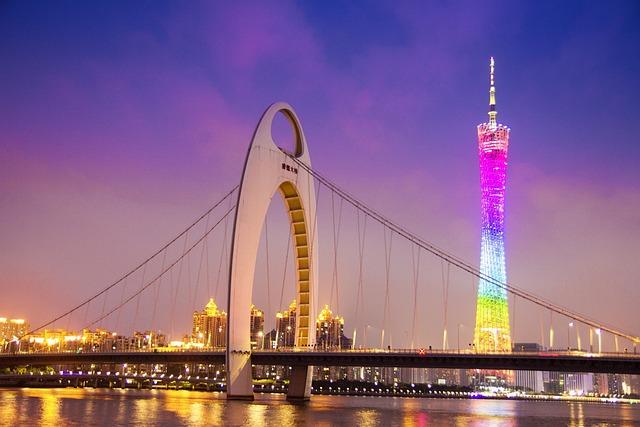

In a significant boost to regional connectivity, the Guangzhou-Shenzhen-Hong Kong high-speed rail has announced the addition of 52 trains per day, solidifying its status as China’s busiest cross-border transport corridor. This expansion aims to enhance travel convenience for commuters and tourists alike, fostering closer economic ties between the cities of Guangzhou, Shenzhen, and Hong Kong. The increase in service frequency, part of an ongoing effort to improve infrastructure and meet rising passenger demand, is expected to streamline cross-border travel, enhance trade, and further integrate the Greater Bay Area. As the rail system gears up for its expanded operations, stakeholders are optimistic about the positive impact this will have on tourism and business in the region.
Boosting Connectivity and Economic Integration in the Greater Bay Area
The recent increase of 52 additional daily trains on the Guangzhou-Shenzhen-Hong Kong high-speed rail marks a significant milestone in enhancing cross-border transit within the Greater Bay Area. This surge in rail services not only elevates the overall capacity but also positions this corridor as the busiest cross-border rail link in China. With travel time dramatically reduced to approximately 35 minutes between major hubs, the new timetable promises to facilitate greater mobility for both commuters and tourists alike, further intertwining the economic tapestry of the region. The expanded service offers an array of benefits, including:
- Increased Frequency: With more trains operational, the waiting time for travelers is minimized.
- Enhanced Connectivity: Improved access to business districts stimulates trade and investment opportunities.
- Boost to Tourism: Easier rail access encourages an influx of visitors, bolstering local economies.
To facilitate a seamless travel experience, the integration of smart technologies is paramount. The introduction of a unified ticketing system will streamline the boarding process, allowing passengers to travel with ease across borders. Furthermore, efforts are underway to improve supporting infrastructure at stations, ensuring that the passenger experience is as efficient as possible. This initiative not only reinforces the Greater Bay Area’s commitment to economic integration but also sets a precedent for future infrastructural projects across China.
| Service Improvement | Impact |
|---|---|
| Additional Trains | Boosts daily capacity, reduces wait times |
| Reduced Travel Time | Encourages spontaneous travel and business meetings |
| Unified Ticket System | Simplifies cross-border travel for passengers |
| Infrastructure Upgrades | Improves overall passenger experience |
Enhancing Travel Experience and Efficiency for Commuters
The recent addition of 52 daily trains to the Guangzhou-Shenzhen-Hong Kong high-speed rail has significantly transformed the travel landscape for commuters in southern China. This expanded service not only enhances transportation options but also aims to foster greater economic integration and mobility across the Guangdong-Hong Kong-Macao Greater Bay Area. As a result, passengers can now enjoy faster travel times, increased frequency, and greater flexibility when planning their journeys. The train system is meticulously designed to cater to various passenger needs, ensuring a seamless experience from ticket booking to arrival.
With this increase in train operations, travelers can expect a host of benefits that promote efficiency and convenience. Key highlights include:
- Enhanced Connectivity: Rapid links between major urban centers ease the transition for business and leisure travelers.
- Affordable Fares: Competitive pricing allows for economical cross-border travel.
- Sustainability: Rail travel reduces carbon footprints compared to car or air transport.
Moreover, the improved service is anticipated to significantly reduce congestion at border crossings, providing commuters with a more pleasant experience. To illustrate the impact of this infrastructure development, the following table summarizes the key features of the new service:
| Feature | Details |
|---|---|
| Daily Trains | 52 additional trains |
| Travel Time | Approximately 15-30 minutes between cities |
| Frequency | Every 15 to 30 minutes, peak hours |
| Ticket Availability | Online and at stations |
Strategic Implications for Regional Trade and Tourism Development
The increase of 52 daily trains along the Guangzhou-Shenzhen-Hong Kong high-speed rail line marks a significant transformation in the region’s transportation landscape. This development is expected to enhance connectivity not only between major urban centers but also to smaller towns along the corridor. As a result, the region is poised to witness increased trade and tourism activities. By improving travel efficiency, businesses can capitalize on the opportunity to engage with a broader market, while visitors are afforded easier access to cultural attractions and shopping experiences. This seamless integration of transport networks presents a golden opportunity for local economies to flourish.
Strategically, the expansion serves multiple implications for stakeholders involved in regional trade and tourism development. Among these are:
- Economic Boost: Enhanced mobility is likely to increase consumer spending in retail and hospitality sectors.
- Trade Facilitation: Reduced travel times will streamline logistics for exporters and importers, thereby increasing overall trade volume.
- Cultural Exchange: Easier access between Hong Kong and mainland cities will encourage cultural exchanges, promoting regional identity.
| Impact Area | Description |
|---|---|
| Tourism | Increased foot traffic to cultural sites and attractions. |
| Trade | Faster logistics reducing costs and increasing efficiency. |
| Local Businesses | Opportunities for growth and expansion of services. |
In Summary
In summary, the recent addition of 52 daily trains to the Guangzhou-Shenzhen-Hong Kong high-speed rail service marks a significant milestone in cross-border transportation, solidifying its status as China’s busiest corridor. This expansion not only enhances connectivity between key economic zones but also responds to the growing demand for efficient travel options among commuters and travelers alike. As the rail network continues to evolve, it underscores the importance of integrated transportation systems in fostering regional collaboration and economic development. With this ambitious growth, passengers can look forward to improved accessibility and efficiency, shaping a new chapter in cross-border travel across the Greater Bay Area. As this bustling corridor expands, it brings with it the promise of greater opportunities for trade, tourism, and cultural exchange, reinforcing the vital links that connect Guangzhou, Shenzhen, and Hong Kong.