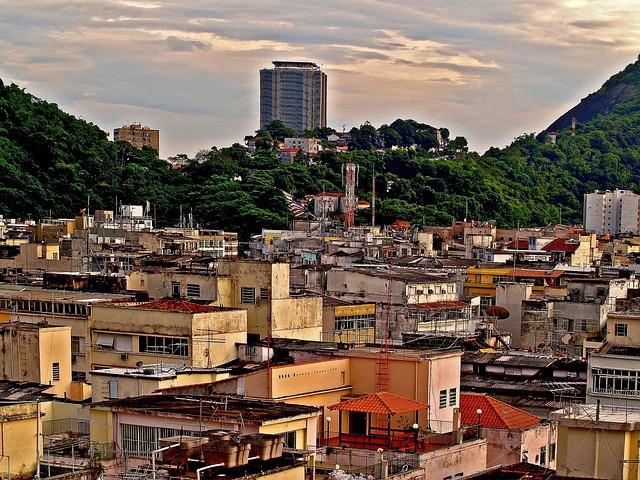
Rio’s Favelas Emerge as Captivating Tourist Destinations
In recent years, Rio de Janeiro’s favelas have transformed from overlooked neighborhoods into vibrant tourist hotspots, drawing visitors eager to experience the city’s rich culture and resilience firsthand. Long stigmatized by associations with crime and poverty, these sprawling urban communities now showcase an array of artistic expressions, culinary delights, and local traditions that offer a unique glimpse into the heart of Brazilian life. As more travelers venture into these dynamic enclaves, local leaders and entrepreneurs are navigating the delicate balance between promoting economic growth and preserving the authenticity of the communities. This shift not only promises to reshape the tourism landscape in Rio but also ignites conversations about social equity, economic opportunity, and the complex realities of urban living. In this article, we explore how the favelas have become must-visit destinations and the implications of this burgeoning trend for residents and tourists alike.
Exploring the Cultural Vibrancy of Rio’s Favelas
As the vibrant heart of Rio de Janeiro, favelas are transforming from overlooked neighborhoods into must-visit attractions for global travelers. These communities, often misrepresented in media, are rich in culture, creativity, and resilience. Visitors can immerse themselves in the dynamic art scene, which includes stunning murals and graffiti that tell the stories of local lives. Additionally, community-led tours provide unique insights into daily life, showcasing the diversity and unity among residents. Highlights of these tours typically include:
- Local artisans sharing their crafts
- Traditional cuisine offered in neighborhood eateries
- Live music performances that celebrate the Brazilian spirit
The push for sustainable tourism in favelas aims not only to boost the local economy but also to foster a deeper understanding of Brazil’s socio-cultural landscape. Engaging with local initiatives and businesses empowers residents while allowing visitors to appreciate the rich heritage and community resilience. For those looking to explore these neighborhoods responsibly, there are various guidelines and resources to ensure respectful engagement. A small table below outlines key considerations for travelers:
| Best Practices | Recommendation |
|---|---|
| Be respectful | Ask for permission before taking photos |
| Support local businesses | Purchase from artisans and eat at family-run restaurants |
| Engage with the community | Participate in cultural events and activities |
Navigating the Ethical Considerations of Favela Tourism
As tourism in Rio’s favelas gains traction, it raises important ethical questions regarding the implications of bringing outsiders into often marginalized communities. Critics argue that while the influx of tourists can stimulate local economies, it may also commodify the unique cultures and struggles of these neighborhoods. Local residents may feel like exhibits in a nature documentary, raising concerns about exploitation and representation. In many instances, the revenue generated from these tours does not benefit the community directly, highlighting the need for a more equitable approach that emphasizes their voices and experiences.
Establishing frameworks that prioritize community involvement is essential for sustainable tourism practices. This can be achieved through initiatives that ensure residents have a stake in the tourism revenue and decision-making processes. Some strategies to consider include:
- Engaging local guides who can share authentic narratives.
- Creating partnerships between tour operators and community organizations.
- Implementing fees that directly fund local development projects.
In fostering a tourism model that respects the integrity and dignity of favela residents, it is crucial to balance the potential economic benefits with a commitment to ethical responsibility, ultimately transforming tourism into a platform for empowerment rather than exploitation.
Enhancing Visitor Experience Through Community Engagement
As Rio’s favelas gain popularity among tourists, the integration of community engagement into the visitor experience is becoming increasingly vital. Local residents, often the heart of these vibrant neighborhoods, serve as guides to their unique cultures and histories. Through collaborative efforts, tourism operators are establishing authentic connections that not only enhance visitor satisfaction but also empower the community. Engaging with local artisans, musicians, and chefs transforms each tour into a rich narrative that interweaves personal stories with broader societal themes. This approach fosters a deeper understanding of the complexities and beauty of favela life.
The benefits of such community involvement are multidirectional. It helps in creating economic opportunities for residents while ensuring that tourism doesn’t dilute the cultural fabric of the favelas. Initiatives like workshops, street performances, and local markets allow visitors to participate actively, leaving them with lasting memories. Moreover, these interactions often encourage thoughtful dialogue that challenges stereotypes. The following table outlines key aspects of community engagement in tourism within Rio’s favelas:
| Aspect | Benefits |
|---|---|
| Local Tours | Provides income and promotes cultural exchange. |
| Artisan Markets | Supports local artists and keeps traditional crafts alive. |
| Food Experiences | Encourages culinary tourism and showcases local flavors. |
| Community Projects | Fosters social responsibility among tourists and positive change. |
Future Outlook
As the allure of Rio de Janeiro’s favelas continues to grow among tourists, the complexities of this transformation become increasingly evident. These vibrant neighborhoods, once marginalised, are now drawing attention for their rich culture, warm communities, and stunning views. While this shift promises economic opportunities and a new narrative for the favelas, it also raises critical questions about authenticity, gentrification, and the potential impact on local residents. As visitors flock to experience life in these unique locales, it is essential to approach such tourism with sensitivity and respect, ensuring that the benefits are equitably shared. The evolution of Rio’s favelas into tourist destinations is a testament to the dynamic nature of urban environments, calling for ongoing dialogue and vigilant stewardship to maintain the delicate balance between celebration and exploitation.