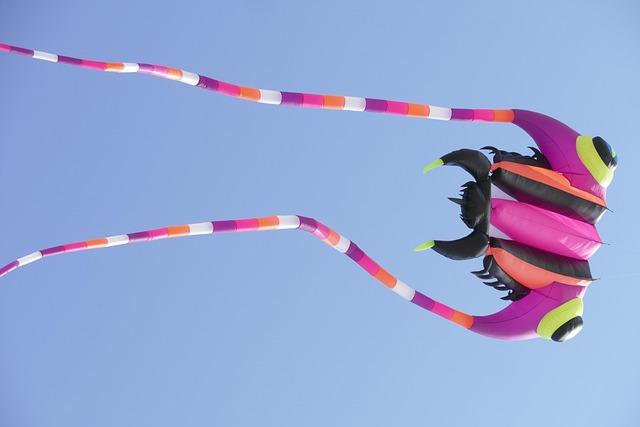
As the vibrant colors of kites fill the skies above Lahore, a long-standing tradition is set to reclaim its place in the heart of the city. After decades of prohibition, the Basant kite festival, an exhilarating celebration that heralds the arrival of spring, is making a triumphant return. Once a cherished annual event, the festival was banned in the early 2000s due to safety concerns and tragic incidents associated with kite flying. However, with renewed enthusiasm and measures aimed at ensuring a safer environment for participants and spectators alike, Lahore is ready to revive this cultural phenomenon. This year’s Basant festival promises not only to rekindle fond memories but also to unite communities in a spirited display of creativity and competition as kite enthusiasts take to the rooftops, reaffirming the city’s vibrant heritage.
Reviving Tradition: The Cultural Significance of Basant in Lahore
The vibrant colors and jubilant sounds of Lahore’s storied kite festival have fluttered back to life, igniting a renewed sense of heritage and community among its residents. Basant, traditionally heralding the arrival of spring, serves not just as a festive occasion but as a cultural tapestry interwoven with the city’s historical fabric. The festival symbolizes renewal and celebration, where the air is filled with the laughter of families and the thrill of kite battles as participants engage in friendly competition. This year, the return of Basant is not merely a revival of an event; it represents a powerful reclaiming of cultural identity, uniting people across diverse backgrounds in a shared expression of joy and artistry.
During the festival, Lahore’s skyline transforms into a kaleidoscope of colors, demonstrating the city’s rich cultural heritage through various traditional practices. Key elements that define this celebration include:
- Kite Flying: A sport that encourages participation and camaraderie.
- Traditional Attire: Festive clothing, especially the bright yellow hues, symbolizes the season’s optimism.
- Culinary Delights: Street vendors offer regional snacks, reminiscent of the city’s gastronomic diversity.
- Music and Dance: Local artists often take center stage, infusing the atmosphere with energy and life.
As the city embraces this beloved tradition after years of dormancy, it becomes imperative to ensure that the spirit of Basant not only flourishes in the skies but also among the people, fostering a greater understanding and appreciation of Lahore’s unique cultural legacy.
Safety Measures and Regulations for a Joyous Kite Festival Return
The revival of Lahore’s joyous kite festival, after years of prohibition, comes with essential safety measures and regulations to ensure a festive yet secure atmosphere for all participants. Authorities have implemented strict guidelines that involve kite quality controls to prevent the use of dangerous materials. Kite makers are now encouraged to produce kites using biodegradable and lightweight materials, promoting sustainability while ensuring that sharp edges and toxic paints are avoided. This move not only enhances safety but also aligns with the city’s ambition to celebrate culture responsibly.
Moreover, local law enforcement agencies will establish designated areas for flying kites, enforcing limits on the height and size of kites to minimize potential accidents. Event coordinators emphasize the importance of community awareness about personal safety, highlighting that families and children should be supervised. Attendees are urged to adhere to the following regulations for their safety:
- No use of glass-coated threads which can inflict serious injuries.
- Prohibition of flying kites near electrical lines to avoid power disruptions and hazards.
- Mandatory registration for kite sellers to ensure compliance with safety standards.
Economic Impact of Basant on Local Communities and Tourism
The return of the kite festival after a decades-long ban has reignited economic activity in Lahore, benefiting local communities in multiple ways. As thousands flock to the city to partake in the festivities, small businesses have witnessed a significant uptick in sales. Vendors selling kites, string, and festive food items report heightened demand, creating temporary job opportunities and allowing local artisans to showcase their crafts. The influx of tourists has also encouraged investment in nearby establishments, from restaurants to hotels, all eager to accommodate the increased number of visitors eager to celebrate this vibrant cultural event.
The impact on tourism is profound, as the festival draws domestic and international attention alike. Local tourism agencies are leveraging this opportunity to promote Lahore’s historical and cultural heritage, encouraging visitors to explore attractions such as the Badshahi Mosque and Lahore Fort. The event’s vibrant atmosphere not only benefits local businesses but also enhances the overall perception of Lahore as a tourist destination. The economic ripple effect is visible in various sectors, including transportation, hospitality, and even local crafts, prompting community leaders to consider the kite festival as an annual opportunity to boost the local economy and celebrate their cultural identity.
In Summary
As Lahore embraces the vibrant and colorful celebration of Basant, the return of this iconic kite festival marks a significant cultural revival for the city. After decades of restrictions that aimed to curb safety concerns and promote public order, the lifting of the ban has rekindled the spirit of festivity among the residents, drawing both locals and tourists alike to the skies. The festival not only symbolizes the onset of spring but also serves as a reminder of Lahore’s rich heritage and communal joy. As the kites soar above the cityscape, they carry with them the hopes of a community eager to reclaim its traditions, fostering unity and resilience in the face of past challenges. With safety measures in place and a renewed sense of responsibility, Lahore’s Basant festival stands as a testament to the intricate balance between cultural expression and public safety, heralding a new chapter for one of Pakistan’s most beloved celebrations.