
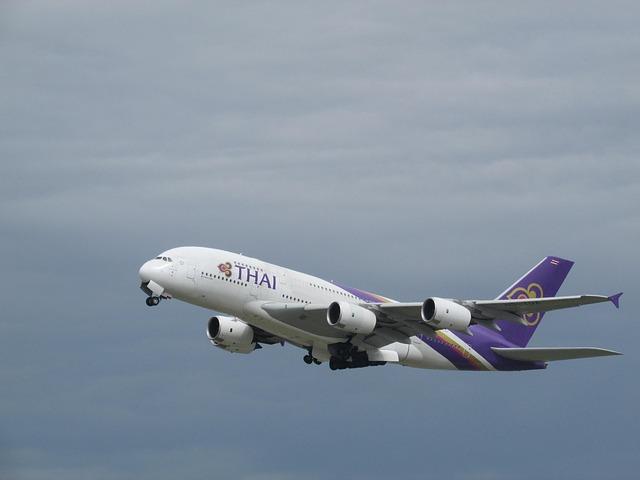

Heathrow Airport has long held the title of Europe’s busiest airport, a distinction it maintained through decades of expansion and a steady influx of international travelers. However, recent trends reveal that Istanbul Airport is rapidly closing the gap, signaling a potential shift in the aviation landscape. As global air travel continues to rebound following the disruptions of the pandemic, this article explores the factors contributing to Heathrow’s sustained dominance, alongside the strategic developments at Istanbul Airport that position it as a formidable contender for Europe’s top spot. With these two major hubs vying for supremacy, the future of air travel in the region hangs in the balance.
Heathrow Maintains Its Crown as Europe’s Busiest Airport Amid Growing Competition
Despite fierce competition from emerging players like Istanbul Airport, which continues to expand its capacity and operations, Heathrow Airport has retained its status as the busiest airport in Europe. In 2023, Heathrow reported an impressive passenger traffic volume exceeding 81 million, aided significantly by the resumption of international travel as pandemic restrictions eased. The airport’s strategic location and consistent connectivity to global financial hubs offer travelers unmatched access, contributing to its enduring dominance. This year alone, Heathrow has expanded its flight offerings by introducing numerous routes to Asia and North America, two critical markets for both leisure and business travel.
In comparison, Istanbul Airport has seen rapid growth, with its modern facilities attracting a steady increase in travelers. As it approaches a passenger capacity of 200 million annually, the Turkish hub is becoming a serious contender in the race for the title of Europe’s busiest airport. Both airports are continually investing in enhancements to passenger experience and operational efficiencies. Following is a brief overview of the statistics that highlight the competition:
| Airport | Passenger Volume (2023) | Year Opened |
|---|---|---|
| Heathrow | 81 million | 1946 |
| Istanbul Airport | ~50 million | 2018 |
Istanbul Airport Poised for Takeover with Rapid Growth and Strategic Investments
As Europe’s aviation landscape evolves, Istanbul Airport is rapidly emerging as a formidable contender, showcasing impressive numbers that indicate its burgeoning status in the global travel sector. Recent reports reveal that the airport has seen remarkable passenger growth, driven largely by strategic investments and a commitment to enhancing passenger experience. These developments are accompanied by significant infrastructural upgrades and expanded flight routes that cater to a diverse spectrum of travelers. Notable indicators of this growth include:
- Increased Passenger Traffic: A consistent rise in foot traffic, surpassing pre-pandemic levels.
- Expanding Global Connectivity: New airlines and routes that enhance the airport’s international presence.
- Enhanced Facilities: Implementation of cutting-edge technology and amenities designed to streamline travel.
The vision for Istanbul Airport is not just about overtaking Heathrow in passenger numbers; it reflects a larger ambition to redefine air travel in Europe. Investments in sustainability and digital transformation are at the forefront of this vision, ensuring that the airport is not only equipped to handle increased volume but is also aligned with modern eco-friendly standards. To further illustrate this strategic approach, a quick comparison table offers insights into key performance metrics:
| Airport | Annual Passengers (2023 Est.) | New Routes Added | Investment in Infrastructure |
|---|---|---|---|
| Heathrow | 80 Million | 5 | $2 Billion |
| Istanbul | 75 Million | 15 | $3 Billion |
Future Outlook: Strategies for Heathrow to Retain Its Competitive Edge in the Aviation Market
As Heathrow seeks to maintain its stature as Europe’s leading airport, strategic initiatives must be prioritized to enhance passenger experience and operational efficiency. Investing in advanced technology should be at the forefront of these efforts, with a focus on automating processes such as check-in and security screening. This not only decreases wait times but also boosts overall satisfaction, creating a seamless travel experience. Furthermore, enhancing airport facilities, including lounges and retail offerings, will contribute to a more attractive environment for travelers, particularly as competition from Istanbul and other emerging hubs intensifies.
Moreover, strengthening partnerships with airlines is crucial for Heathrow to retain its competitive edge. By fostering collaborations, the airport can secure more direct flights and expand its network, particularly to underserved markets. Implementing environmentally sustainable practices will also play a pivotal role in attracting eco-conscious travelers and aligning with global climate goals. A focus on diversifying revenue streams, through innovative services and expanded freight operations, can provide further financial resilience. The strategic amalgamation of these elements can solidify Heathrow’s position as a premier gateway in Europe’s aviation landscape.
In Retrospect
In conclusion, while Heathrow Airport continues to hold its title as Europe’s busiest airport, the rise of Istanbul Airport signals a significant shift in the aviation landscape. As global travel rebounds and competition intensifies, Istanbul’s strategic positioning and expanding infrastructure could position it to overtake Heathrow in the near future. Stakeholders in the aviation industry will be closely monitoring this evolving narrative, as shifts in passenger traffic not only reflect economic trends but also the changing dynamics of global connectivity. With the summer travel season on the horizon, both airports will face the critical challenge of maintaining their operational efficiency while accommodating an increasingly competitive travel environment. As we move forward, it remains to be seen how these two aviation hubs will evolve in this ongoing race for supremacy in Europe’s skies.