

Title: Unveiling the Great Mosque of Xi’an: A Testament to Cultural Harmony in Shaanxi, China
In the heart of Xi’an, Shaanxi province, stands a remarkable architectural gem that bridges diverse cultures and centuries of history: the Great Mosque of Xi’an. Renowned as one of the oldest and largest mosques in China, this sacred site not only serves as a place of worship for the Muslim community but also as a vibrant oasis of intercultural dialogue. Built during the Tang Dynasty, the mosque reflects a unique blend of Islamic and traditional Chinese architectural styles, symbolizing the longstanding coexistence of different faiths along the ancient Silk Road. As Xi’an continues to attract visitors from around the globe, the Great Mosque stands as a testament to the region’s rich heritage and its pivotal role in fostering mutual respect and understanding among cultures. In this article, we explore the mosque’s historical significance, architectural marvels, and the ongoing efforts to preserve its legacy in an ever-evolving modern landscape.
Exploring the Architectural Marvel and Cultural Significance of the Great Mosque of Xi’an
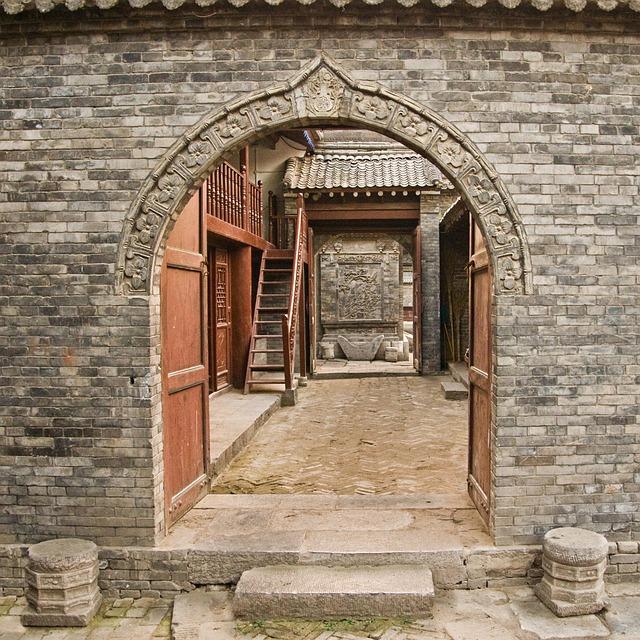
The Great Mosque of Xi’an stands as a testament to the harmonious blend of Islamic architecture and Chinese aesthetics. Established in the late 7th century during the Tang Dynasty, it is one of the oldest and most significant mosques in China. Visitors are captivated by its stunning courtyards, elaborate gatehouses, and stately roofs, which reflect traditional Chinese craftsmanship while adhering to Islamic principles. The mosque features a unique layout that mirrors classical Chinese temple design, demonstrating how cultural synthesis can foster architectural innovation. It serves not only as a place of worship but also as a community hub, where locals and travelers alike immerse themselves in the rich narrative of Islamic faith in a predominantly Buddhist and Taoist region.
Beyond its architectural grandeur, the Great Mosque of Xi’an holds immense cultural importance. It is a focal point for the Muslim community in the area and plays a pivotal role in promoting interfaith dialogue and understanding. Each year, thousands of pilgrims and tourists flock to its serene grounds, engaging with the mosque’s vibrant history and the traditions that surround it. Events and festivals are frequently held, where cultural performances and culinary showcases allow visitors to experience the warmth of the local culture. As a living museum, the mosque encapsulates the spirit of coexistence and represents the enduring legacy of multiculturalism in Xi’an.
Understanding the Unique Fusion of Islamic and Chinese Design Elements
At the Great Mosque of Xi’an, visitors are treated to a stunning display of architectural harmony, where Islamic motifs elegantly merge with traditional Chinese design elements. The mosque, originally built in 742 AD during the Tang Dynasty, showcases Chinese architectural styles while maintaining key Islamic features. This unique blend is reflected in several aspects of the mosque, such as:
- Curved Rooflines: Distinctively Chinese, with sweeping eaves that reach toward the sky, symbolizing a bridge between heaven and earth.
- Intricate Carvings: From Islamic arabesques to Chinese latticework, the intricate wood carvings create a dialogue between the two cultures.
- Symbolic Landscaping: Incorporation of Chinese gardens reflects the appreciation for nature found in both traditions, emphasizing tranquility and reflection.
The use of color and materials further exemplifies the intercultural dialogue. The mosque is adorned with ceramic tiles in vibrant shades of green and blue, reminiscent of Islamic color palettes, yet arranged in patterns familiar to Chinese aesthetic sensibilities. Additionally, the mosque features a distinctive prayer hall, where the design principles of both cultures converge, creating an inviting space for worshippers. The layout can be summarized as follows:
| Design Element | Characteristics |
|---|---|
| Entrance Gate | Elaborate dragon motifs paired with Islamic calligraphy. |
| Main Courtyard | Symbolizes peace, with water features and lush greenery. |
| Prayer Hall | Broad and open, blending Chinese wooden beams with Islamic arches. |
Visitor Recommendations for Experiencing the Great Mosque of Xi’an Amidst Its Rich Heritage
Visitors to the Great Mosque of Xi’an are encouraged to immerse themselves in the spiritual and cultural essence of this historic site. As you wander through the beautifully adorned pathways, take the time to appreciate the intricate details of the mosque’s architecture, which harmoniously blends traditional Chinese and Islamic design. To enrich your experience, consider:
- Participating in Guided Tours: Local guides offer fascinating insights into the mosque’s history and significance, helping you understand its role in the community.
- Exploring Surrounding Markets: The vibrant Muslim Quarter nearby provides an opportunity to sample authentic local delicacies, such as lamb skewers and cold noodle salad.
- Respecting Prayer Times: Be mindful of prayer schedules, which can enhance your experience and allow you to observe the mosque’s religious practices.
In addition to these recommendations, visitors should also be aware of the mosque’s operational hours and entry fees, helping them plan a seamless visit. Below is a simple table outlining essential information for your trip:
| Information | Details |
|---|---|
| Opening Hours | Daily from 9 AM to 5 PM |
| Entry Fee | Free |
| Location | North of the Muslim Quarter |
By following these recommendations, guests can ensure a meaningful and respectful visit to this treasured landmark, further enriching their understanding of Xi’an’s vibrant cultural tapestry.
Insights and Conclusions
In conclusion, the Great Mosque of Xi’an stands as a remarkable testament to the rich tapestry of culture, heritage, and faith that characterizes the city of Xi’an and, by extension, China itself. As one of the oldest and largest mosques in the country, it not only serves as a place of worship for the Muslim community but also as a bridge between diverse cultures and histories. The mosque’s harmonious blend of traditional Chinese architectural elements with Islamic design showcases the unique intersection of East and West, highlighting the significance of religious tolerance and coexistence. As visitors and locals alike marvel at its stunning courtyards and intricate artwork, the Great Mosque continues to inspire awe and respect, reminding us of the importance of preserving cultural landmarks in our ever-evolving global landscape. For those interested in exploring the profound connections between history, architecture, and faith, a visit to this iconic site in Shaanxi province is a journey well worth taking.