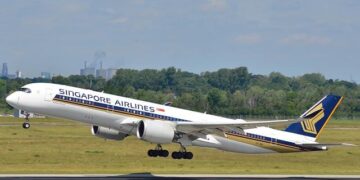
Thousands of Travellers Stranded in Asia Amid Widespread Flight Disruptions
In a chaotic turn of events, thousands of travelers found themselves stranded across Asia as major airlines, including Vietnam Airlines, Japan Airlines, ANA, IndiGo, and Thai Airways, faced significant flight delays and cancellations this week. Major airports in Japan, Thailand, Vietnam, Singapore, India, Indonesia, and Hong Kong reported a staggering 3,993 delayed flights and 78 cancellations, causing chaos for passengers during one of the busiest travel seasons. Airports in Tokyo, Bengaluru, and Hanoi were among the hardest hit, with many travelers left unable to reach their destinations or return home. Airlines are scrambling to accommodate the influx of disrupted passengers while grappling with a ripple effect that is creating longer wait times and mounting frustrations across the region. As the situation unfolds, affected travelers are seeking answers and assistance amidst the travel turmoil.
Impact on Airlines and Passengers Amid Record Flight Cancellations in Asia
As chaos unfolds in major Asian cities, airlines are grappling with unprecedented operational challenges. With nearly 4,000 flights delayed or canceled, carriers like Vietnam Airlines, All Nippon Airways (ANA), and IndiGo are feeling the strain, leading to significant financial repercussions. Industry experts estimate that the cancellations could cost airlines millions in lost revenue and customer compensation claims. Many passengers, who had meticulously planned their travel itineraries, now face uncertainty as they seek alternate routes, often resulting in long waits and additional expenses. The ripple effect not only disrupts travel plans but also tests the resilience of airline customer service teams, already stretched thin during peak travel seasons.
The ripple effects extend beyond airlines to the passengers left stranded. Reports of overcrowded airports and long lines at rebooking counters are becoming the norm as travellers scramble to find alternative arrangements. Among the countries affected, major hubs such as Tokyo and Bengaluru are experiencing heightened frustration among travellers, with many expressing dissatisfaction over the lack of timely communication from airlines. To provide a clearer picture, here’s a snapshot of the top affected airlines and the number of cancellations:
| Airline | Cancellations |
|---|---|
| Vietnam Airlines | 30 |
| ANA | 15 |
| IndiGo | 21 |
| Thai Airways | 12 |
Navigating Travel Disruptions: Essential Tips for Stranded Travelers
Travel disruptions can lead to significant stress and uncertainty for passengers caught in the chaos. For those finding themselves stranded, communication is key. Stay updated by regularly checking the official websites and social media pages of the airlines involved. Many airlines have dedicated pages for travel advisories and updates, which can often provide the most accurate and immediate information. Additionally, consider downloading your airline’s mobile app, as they often send real-time notifications regarding changes to your flight status and alternative travel arrangements.
Moreover, it’s vital to explore your options for rebooking and accommodations. If flights are canceled, airlines typically offer rebooking on the next available flight, but long lines and overwhelmed staff may hinder your progress. Utilize self-service kiosks where available, and try to book directly through airline websites rather than third-party services. In the meantime, consider looking for local lodging options through trusted platforms and be ready to adjust your travel plans accordingly. Here’s a quick guide to potential travel alternatives:
| Destination | Alternative Modes of Transport |
|---|---|
| Tokyo | Train services to nearby cities |
| Bengaluru | Bus services to surrounding states |
| Hanoi | Train and bus services to nearby towns |
| Singapore | Ferry services to nearby islands |
Examining the Causes Behind Widespread Flight Delays in Major Asian Hubs
The ongoing chaos in Asia’s aviation sector can be traced back to an intricate web of factors that have converged in recent weeks, resulting in thousands of stranded travelers and significant operational disruptions. Among the leading causes are severe weather conditions, particularly monsoon rains and typhoons that have wreaked havoc in countries such as Japan and Vietnam. Airports across major hubs, including Tokyo and Hanoi, have been forced to implement delays and cancellations, straining the capacities of airlines like ANA and Vietnam Airlines. Additionally, staff shortages compounded by ongoing labor disputes and strict COVID-19 regulations have further crippled airlines’ ability to manage flight schedules effectively, leading to cascading delays that affect numerous routes.
Moreover, the influx of summer travelers has not been matched by a corresponding increase in operational resources, creating a perfect storm for bottlenecks in ticketing, boarding, and navigation. The coordination challenges faced by ground staff, coupled with the complexities of flight logistics in densely populated regions, have contributed significantly to this predicament. Key stakeholders in the aviation industry are now calling for urgent intervention to address these systemic issues, with discussions surrounding enhanced infrastructure investments, focusing on technology adoption, and collaborative measures among airlines and governments. Without these critical changes, the region risks facing further fallout as passenger demand continues to rise amid ongoing operational challenges.
Key Takeaways
As the travel chaos continues to unfold across Asia, with thousands of passengers stranded due to widespread flight delays and cancellations, the impact on airlines and travelers alike is unmistakable. The suspension of nearly 4,000 flights from key hubs such as Tokyo, Bangkok, and Hanoi has left many at the mercy of unpredictable travel conditions, prompting calls for swift action from both governments and airlines to mitigate this disruption. As the situation evolves, travelers are advised to stay informed and in close communication with their carriers for updates on potential alternatives and assistive measures. The fallout of these significant operational disruptions serves as a stark reminder of the interconnected nature of global travel, and as the region hopes for a quick recovery, passengers are left to navigate the complexities of an ever-changing travel landscape.