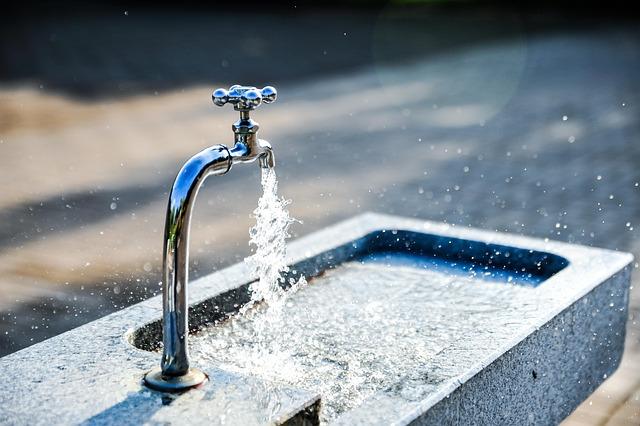
Water in the Dams, but South Africa’s Taps Are Dry: A History of Poor Management
As South Africa grapples with an ongoing water crisis, the stark contradiction between plentiful dam reservoirs and dwindling tap supplies has sparked urgent discussions among policymakers, environmentalists, and everyday citizens. This paradox points not only to the complexities of water distribution in a country rich in natural resources but also to decades of mismanagement, corruption, and policy failures. In this article, we delve into the pivotal events and decisions that have shaped South Africa’s water management system, examining how missteps at various levels of government and inconsistent infrastructure investment have left millions grappling with water scarcity. As communities across the nation face the impacts of unreliable water access, it becomes crucial to understand the lessons of the past in order to forge a sustainable path forward. Join us in exploring the essential readings that unveil the intricacies of South Africa’s water crisis and the urgent need for reform in the management of this vital resource.
Water Management Failures and Their Impact on South Africa’s Water Supply
In the past few decades, South Africa has faced a series of water management crises, leaving the nation grappling with the paradox of ample dam storage yet insufficient tap water availability. Factors contributing to this phenomenon include negligent governance, a lack of infrastructure investment, and inadequate operational policies. The once reliable systems for managing water supply have become outdated, resulting in inefficiencies that hinder equitable access. Moreover, climate change has exacerbated the situation, leading to unpredictable rainfall patterns that shake the foundations of traditional water management strategies.
Specific failures can be traced to local municipalities that have struggled to maintain water quality and supply due to poor financial planning and oversight. Reports have highlighted issues such as:
- Underinvestment in necessary maintenance and upgrades of water infrastructure
- Corruption within local government bodies affecting procurement processes
- Failure to implement effective water conservation measures
In many urban areas, the infrastructure that delivers water has fallen into disrepair, causing significant disruptions in service and raising concerns over the quality of the water provided. To illustrate the current state of South Africa’s water supply, the table below summarizes key statistics reflecting the disparity between reservoir levels and access to clean water across different provinces:
| Province | Reservoir Level (%) | Access to Clean Water (%) |
|---|---|---|
| Gauteng | 95 | 80 |
| Western Cape | 85 | 75 |
| Eastern Cape | 68 | 60 |
Historical Missteps in Infrastructure Development and Policy Implementation
South Africa’s water crisis is not merely a consequence of natural scarcity; it is a reflection of chronic mismanagement and a history of flawed policy decisions. Over the years, various government initiatives aimed at improving water supply have faltered due to a combination of poor planning, lack of maintenance, and corrupt practices. This includes the neglect of existing infrastructure, which has left vital pipelines and treatment facilities in disrepair, contributing to the overall inefficiency of water distribution. Factors leading to these missteps include:
- Inadequate investment in maintenance and upgrades of historic infrastructure.
- Political interference that has prioritized short-term gains over sustainable planning.
- Failure to address the growing population needs and urbanization pressures on water resources.
The implications of these failures are stark when considering the current state of water availability in urban and rural areas alike. Despite reservoirs filled with water, it often does not translate to functioning taps for the population. As drastic measures are proposed to tackle the crisis, a closer examination reveals an ongoing struggle between governance and service delivery. An analysis of past spending shows how misallocated resources have hindered progress. The table below summarizes key areas of historical expenditure versus their actual impacts:
| Year | Allocated Budget (ZAR) | Actual Impact |
|---|---|---|
| 2010 | 2 billion | Minor upgrades to infrastructure |
| 2015 | 3.5 billion | Water treatment plants idle due to neglect |
| 2020 | 5 billion | Failed projects, no significant improvement |
Recommendations for Sustainable Water Solutions in a Crisis-Affected Nation
In a nation grappling with water scarcity and ineffective management, implementing sustainable solutions is paramount. Engaging local communities in the decision-making process fosters a sense of stewardship and responsibility. Strengthening collaboration between government entities, non-profits, and private sectors can enhance resource management and accountability. Key strategies to consider include:
- Investing in rainwater harvesting techniques to maximize local water storage.
- Upgrading existing water infrastructure to minimize leakage and waste.
- Implementing community-led irrigation systems that promote efficient water use.
A shift towards sustainable practices in agriculture is also critical. Supporting farmers in adopting drought-resistant crops and organic farming techniques can lessen water dependency while improving soil health. Moreover, integrating technology such as remote sensing for water monitoring can optimize usage and provide real-time data for better resource allocation. Highlighted recommendations include:
- Providing financial incentives for farmers transitioning to sustainable practices.
- Launching educational campaigns on water conservation to raise public awareness.
- Establishing partnerships with technology firms to develop innovative water management solutions.
Wrapping Up
In conclusion, the juxtaposition of abundant water in South Africa’s dams against the stark reality of dry taps underscores a troubling narrative rooted in decades of mismanagement and policy failures. As this article highlights, understanding the historical context and the myriad factors contributing to the current water crisis is essential for forging a way forward. The analysis provides invaluable insights into systemic issues that have plagued water governance in the country, emphasizing the urgent need for reform and innovative solutions to safeguard this vital resource. With South Africans facing the consequences of this inefficiency, the imperative to address these challenges has never been clearer. As the country grapples with its water woes, it is the responsibility of all stakeholders to engage in meaningful dialogue and action to ensure a sustainable and equitable water future for all.