
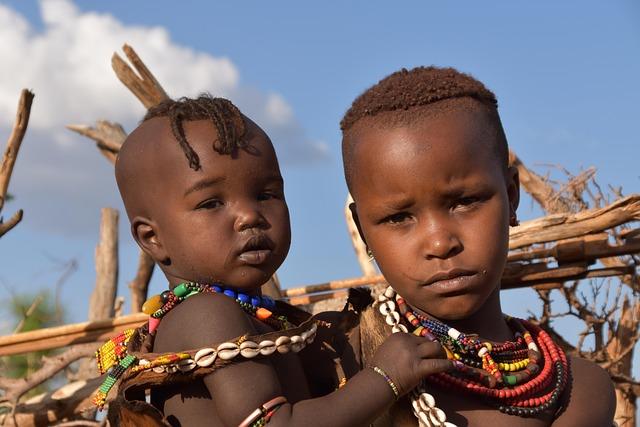

Strengthening Sustainable WASH Access and Resilience in Ethiopia: A World Bank Initiative
Ethiopia, a nation characterized by its rich cultural heritage and natural diversity, now finds itself at a pivotal juncture as it grapples with significant water, sanitation, and hygiene (WASH) challenges. With millions lacking access to basic services, the repercussions on public health and economic stability can be devastating. In response to this pressing need, the World Bank has launched a groundbreaking initiative aimed at enhancing sustainable WASH access while bolstering resilience within vulnerable communities. This program not only seeks to improve water quality and sanitation facilities but also addresses the systemic issues that hinder service delivery in an era of climate change and rapid urbanization. As Ethiopia embarks on this transformative journey, the collaboration between the government, local organizations, and international partners holds promise for a healthier and more resilient future.
Enhancing Infrastructure Investment for Sustainable Water Supply in Ethiopia
Transforming Ethiopia’s water supply landscape requires a multifaceted approach, aiming not only to meet immediate needs but also to ensure long-term sustainability and resilience. To this end, it is crucial to focus on enhancing infrastructure investment through targeted initiatives that emphasize technology adoption, community involvement, and environmental preservation. Key components of these initiatives include:
- Development of Urban and Rural Water Supply Systems: Upgrading and expanding existing networks to reach underserved communities.
- Integration of Renewable Energy Sources: Utilizing solar and wind energy to power water pumping and treatment facilities.
- Innovative Financing Mechanisms: Leveraging public-private partnerships (PPPs) and microfinance to support grassroots projects.
- Capacity Building: Training local technicians and institutions to manage and maintain water systems effectively.
Investment in resilient water infrastructure not only addresses immediate water scarcity but also fortifies the country’s ability to withstand climate variability. Adopting a holistic, community-centered strategy will foster sustainable water management practices, essential for safeguarding public health and enhancing food security. To optimize these efforts, stakeholders are encouraged to collaborate and share successful models that incorporate:
| Practice | Impact |
|---|---|
| Use of Rainwater Harvesting | Increases local water availability |
| Community-Based Monitoring | Enhances accountability and ownership |
| Smart Water Management Systems | Optimizes resource allocation and reduces waste |
Empowering Communities through Education and Engagement in WASH Practices
The World Bank is taking significant strides in transforming the landscape of water, sanitation, and hygiene (WASH) in Ethiopia, fostering community-led initiatives that prioritize education and active participation. By integrating comprehensive training programs, local stakeholders are empowered to take ownership of their WASH facilities, enhancing their operational sustainability. Key components of this initiative include:
- Community Workshops: Facilitating knowledge transfer through interactive sessions that educate residents on the importance of hygiene practices.
- Local Leadership Engagement: Involving community leaders in decision-making processes related to local WASH solutions ensures culturally relevant implementation.
- Youth Involvement: Encouraging the younger generation to lead awareness campaigns helps to cultivate a culture of health and hygiene from an early age.
As part of these efforts, the introduction of a grassroots feedback mechanism allows communities to report challenges and successes in real-time, ensuring that the programs continually adapt to their evolving needs. This collaborative approach not only enhances the capacity of local entities but also builds resilience against future WASH crises. Below is a snapshot of the project’s impact in various regions:
| Region | Community Workshops Conducted | Improvement in Access to Clean Water (%) |
|---|---|---|
| Amhara | 45 | 67% |
| Oromia | 32 | 53% |
| Somali | 20 | 40% |
This comprehensive approach not only addresses immediate needs but also fortifies communities against potential environmental challenges, reinforcing the fundamental need for a collective, empowered response to WASH issues across Ethiopia.
Fostering Resilience through Climate-Adaptative Sanitation Solutions in Ethiopia
In Ethiopia, the impact of climate change is increasingly evident, particularly in its water, sanitation, and hygiene (WASH) sector. To combat the challenges posed by unpredictable weather patterns and water scarcity, innovative sanitation solutions are being developed that not only address the immediate needs of communities but also enhance their resilience to climate shocks. These climate-adaptive sanitation systems focus on integrating sustainable practices that promote resource recovery and waste management in urban and rural areas alike. Such approaches include:
- Eco-friendly toilets that safely treat human waste and convert it into useful resources like fertilizer.
- Community-led initiatives that engage local populations in maintaining sanitation facilities and ensuring their longevity.
- Rainwater harvesting systems that complement sanitation infrastructure, capturing and utilizing rainwater for domestic use.
A recent initiative funded by the World Bank aims to enhance these sustainable solutions by integrating technology and education into the WASH framework. This program focuses on training local leaders to effectively manage water resources and sanitation facilities while promoting awareness around sustainable practices. Success metrics for these projects are tracked through a structured framework:
| Metric | Target | Progress |
|---|---|---|
| Community Participation | 80% | 65% |
| Sanitation Facility Construction | 1,000 units | 600 units |
| Water Quality Improvement | 90% | 75% |
This strategic approach not only increases access to improved sanitation but also fosters a culture of resilience among communities that are directly impacted by climate changes. By focusing on sustainability and local engagement, these initiatives equip Ethiopians with the tools needed to withstand current and future climate uncertainties.
In Retrospect
In conclusion, the World Bank’s commitment to strengthening sustainable Water, Sanitation, and Hygiene (WASH) access in Ethiopia marks a significant step towards improving public health and building resilience in vulnerable communities. As the project unfolds, it promises not only to enhance the availability of clean water and sanitation facilities but also to empower local populations through capacity-building and education initiatives. The collaboration between government entities, local communities, and international organizations sets a precedent for a holistic approach to tackling water-related challenges. As Ethiopia works to forge a path toward sustainability, the collective efforts can herald a new era of health and resilience, vital for the nation’s future. The commitment to these essential services reinforces the notion that equitable access to WASH facilities is not just a matter of infrastructure, but a cornerstone of economic and social development. The journey ahead may be fraught with challenges, but with continued dedication and collaboration, the vision of a healthier, more resilient Ethiopia is within reach.