
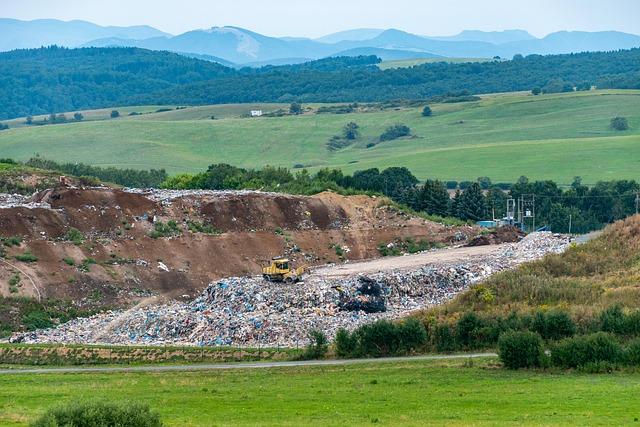

In a concerning revelation, the Lagos Waste Management Authority (LAWMA) has reported a staggering 1,023 cases of illegal waste dumping in the year 2025, highlighting a growing environmental crisis in Nigeria’s economic hub. This figure marks a significant increase in littering activities, challenging ongoing efforts to maintain cleanliness and safety in the city. Despite various initiatives aimed at promoting responsible waste disposal, the persistence of illegal dumping poses serious health risks and environmental degradation, prompting urgent calls for stronger enforcement of waste management regulations and increased public awareness campaigns. As the authority grapples with this rising trend, stakeholders are urged to reconsider strategies to combat the pressing issue of urban waste mismanagement that threatens the well-being of both residents and the ecosystem.
Illegal Waste Dumping Crisis in Lagos: An Analysis of the 2025 Surge
The alarming rise in illegal waste dumping cases in Lagos has raised significant concerns among environmentalists and local authorities alike. According to recent statistics from the Lagos Waste Management Authority (LAWMA), there were 1,023 recorded instances of illegal dumping in 2025, marking a 45% increase from the previous year. This surge highlights not only the growing issues surrounding waste management in Nigeria’s most populous city but also the urgent need for more effective regulations and public awareness campaigns. Key factors contributing to this crisis include inadequate waste disposal facilities, lack of enforcement of existing laws, and a striking absence of public education on proper waste management practices.
In response, authorities are exploring potential solutions to combat this environmental crisis, focusing on a multi-faceted approach that includes:
- Revamping waste collection systems to ensure timely and efficient removal of waste from communities.
- Implementing stricter penalties for offenders to deter illegal dumping activities.
- Enhancing public awareness campaigns to educate citizens on the importance of responsible waste disposal.
A collaborative effort involving community leaders, environmental organizations, and government agencies is crucial to address this pressing issue. Efforts will be directed not only toward immediate remediation but also toward developing sustainable practices to alleviate future dumping incidents.
Impacts of Uncontrolled Waste Disposal on Public Health and Environment
The alarming increase in illegal waste disposal cases, with over 1,023 incidents recorded in 2025, highlights a significant threat to public health and the environment. When waste is dumped uncontrolled, it often leads to the leaching of hazardous substances into soil and waterways, further contaminating local ecosystems. Communities near illegal dumps may experience direct health risks, including exposures to toxic materials, leading to respiratory problems, skin diseases, and a rise in vector-borne diseases due to the proliferation of pests attracted to these sites. Furthermore, the aesthetic degradation of neighborhoods can diminish mental well-being and property values, creating a vicious cycle of neglect and health decline.
Environmentally, the repercussions are equally severe and multifaceted. The unregulated disposal of waste contributes to soil degradation, alters natural habitats, and diminishes biodiversity. As waste decomposes, it releases greenhouse gases such as methane, exacerbating climate change. The following points summarize some of the critical impacts:
- Soil Contamination: Infiltration of chemicals leads to poor soil quality.
- Water Pollution: Chemicals can seep into groundwater, affecting drinking sources.
- Biodiversity Loss: Natural habitats are destroyed, endangering local species.
- Public Health Risks: Increased diseases associated with poor waste management.
Strategic Solutions for Tackling Illegal Waste Dumping in Urban Areas
With the alarming statistic of 1,023 illegal waste dumping cases reported in 2025, urban areas in Nigeria are in dire need of comprehensive strategies to combat this growing problem. Local governments, in collaboration with waste management agencies, must adopt innovative approaches that go beyond reactive measures. Public awareness campaigns and community engagement initiatives should be prioritized to educate citizens on the importance of proper waste disposal. By fostering a sense of civic responsibility, urban dwellers can become active participants in maintaining a clean environment.
Furthermore, technology can play a significant role in surveillance and reporting. Implementing smart waste management systems that utilize sensors and mobile applications can facilitate real-time monitoring of waste disposal practices. Additionally, cities should invest in enhancing waste collection infrastructure to ensure accessibility and efficiency. Stakeholders could consider the following measures:
- Incentives for Cleanliness: Rewarding neighborhoods with reduced waste management fees for lower illegal dumping rates.
- Regular Cleanup Events: Organizing community clean-up days to boost civic pride and responsibility.
- Collaboration with NGOs: Partnering with non-governmental organizations specializing in environmental protection to extend outreach and support.
| Strategy | Benefit |
|---|---|
| Public Awareness Campaigns | Informed citizens lead to reduced illegal dumping. |
| Smart Waste Management | Enhanced monitoring and data collection. |
| Community Engagement | Boosts local responsibility for environmental health. |
To Conclude
In conclusion, the staggering report of 1,023 illegal waste dumping cases recorded in 2025 by the Lagos Waste Management Authority (LAWMA) highlights a growing concern over waste management and environmental degradation in Nigeria’s most populous city. As urbanization accelerates and population densities rise, the challenges of maintaining a clean and sustainable environment become increasingly complex. The findings serve as a clarion call for authorities, communities, and individuals to intensify efforts in waste management practices and to foster a culture of environmental responsibility. With collaborative actions and increased public awareness, there is hope for significant improvements in the fight against illegal dumping, thereby enhancing the quality of life for all Lagosians. As LAWMA continues to push for stricter enforcement and innovative waste management solutions, the responsibility lies with every citizen to contribute to a cleaner, greener Lagos.