
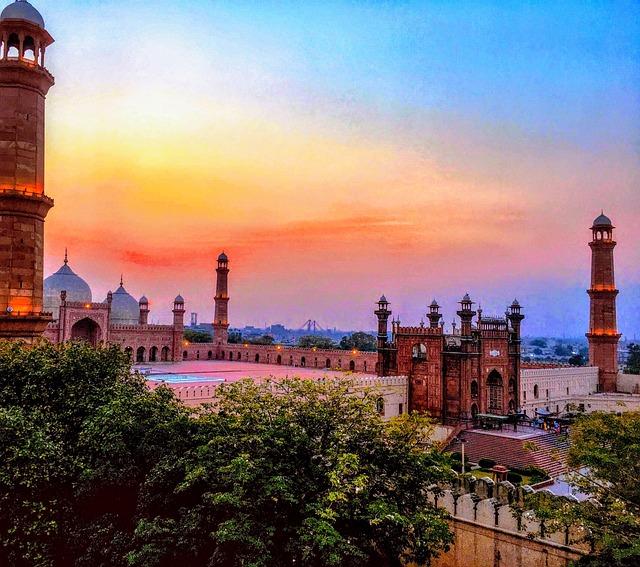

As cities around the globe strive to combat environmental challenges, Lahore and Karachi have emerged as two of the most polluted urban centers in the world, according to a recent report. With harmful levels of smog enveloping these bustling metropolises, Pakistan finds itself grappling with a public health crisis exacerbated by industrial emissions, vehicular pollution, and seasonal weather patterns. This stark reality poses significant risks to the health and well-being of millions of residents, prompting urgent calls for comprehensive strategies to address the rising pollution levels. As communities and authorities confront this escalating crisis, the need for sustainable solutions has never been more pressing.
Lahore and Karachi Face Severe Air Quality Challenges Amid Escalating Smog Crisis
The environmental crisis in Pakistan is deepening, with Lahore and Karachi consistently ranking among the world’s most polluted cities. This alarming trend is largely attributed to a combination of factors, including industrial emissions, vehicle exhaust, and the burning of crop residues. The onset of winter exacerbates the situation, as colder temperatures trap pollutants close to the ground, creating a persistent layer of smog that hovers over urban areas. As citizens grapple with the health impacts, local authorities are under pressure to implement effective measures to combat worsening air quality.
Recent studies highlight the consequences of deteriorating air quality, with significant increases in respiratory diseases and other related health issues. In response to these pressing challenges, residents are taking proactive steps to protect themselves. Key actions being adopted include:
- Wearing protective masks
- Using air purifiers indoors
- Limiting outdoor activities, especially during peak smog hours
A growing number of organizations are advocating for policy changes aimed at reducing emissions. As awareness spreads, the hope is that a collective effort can bring about meaningful improvements to the air quality in these two major cities.
Understanding the Sources of Pollution and Their Impact on Public Health
The ongoing struggle with air pollution in major Pakistani cities such as Lahore and Karachi highlights a critical public health crisis. This pervasive issue stems from a combination of industrial emissions, vehicular exhaust, and construction dust, exacerbated by geographical and climatic conditions. In Lahore, for instance, the proximity to brick kilns and factories contributes significantly to airborne particulate matter. Residents often find themselves experiencing a range of health problems, including respiratory diseases, cardiovascular issues, and heightened susceptibility to infections due to compromised air quality.
Key sources of pollution can be categorized as follows:
- Traffic Emissions: A surge in vehicle usage, particularly older models, releases harmful pollutants.
- Industrial Operations: Factories often operate without adequate emission controls, leading to high levels of toxic substances.
- Waste Burning: The practice of burning waste adds to the toxic load in the atmosphere, affecting air quality.
- Agricultural Practices: Seasonal crop burning contributes to regional smog, severely impacting air purity.
To illustrate the impact of these pollution sources on health, a comparison table can provide a clear view of the correlation between air quality indices (AQI) and health outcomes in these cities:
| City | AQI (Average) | Common Health Issues |
|---|---|---|
| Lahore | 300+ | Asthma, Chronic Bronchitis, Cardiovascular Diseases |
| Karachi | 200+ | Respiratory Infections, Allergies, Lung Cancer |
Strategies for Mitigating Air Pollution and Promoting Environmental Sustainability in Pakistan
To tackle air pollution in Pakistani cities, a multi-faceted approach is essential. Government intervention is crucial in implementing stringent regulations on industrial emissions and vehicular standards. Authorities could enforce clean energy initiatives by promoting solar and wind power, reducing dependency on fossil fuels. Additionally, improving public transportation systems can significantly minimize individual car usage, alleviating traffic congestion and lowering emissions. Communities should also be engaged in tree planting campaigns, as urban greening not only enhances aesthetics but also plays a vital role in air purification.
Furthermore, public awareness campaigns must be launched to educate citizens about the detrimental effects of air pollution on health and the environment. Schools and local organizations can play a pivotal role in fostering environmentally conscious behavior among youth. The establishment of monitoring systems can provide real-time data on air quality, empowering citizens to make informed decisions. Collaboration between government bodies, NGOs, and the private sector is necessary to create an effective strategy for sustainable urban development in Pakistan, ultimately leading to cleaner air and a healthier populace.
Final Thoughts
As Pakistan confronts the dire reality of escalating air pollution, cities like Lahore and Karachi remain at the forefront of a growing environmental crisis. The alarming levels of smog not only pose significant health risks to millions but also threaten the nation’s economic and social stability. With international recognition of this pressing issue, it is imperative for both governmental and civic bodies to collaborate on comprehensive strategies aimed at curbing emissions and promoting sustainable practices. Ongoing public awareness campaigns and stricter enforcement of environmental regulations will be crucial in safeguarding the health of citizens and preserving the nation’s future. As the world watches, the urgency of the situation in Pakistan serves as a stark reminder of the global fight against air pollution, urging immediate action to ensure cleaner, healthier air for generations to come.