Why the B-52 Failed to Defeat the Vietnamese: An Analysis of Tactical Shortcomings in the Vietnam War
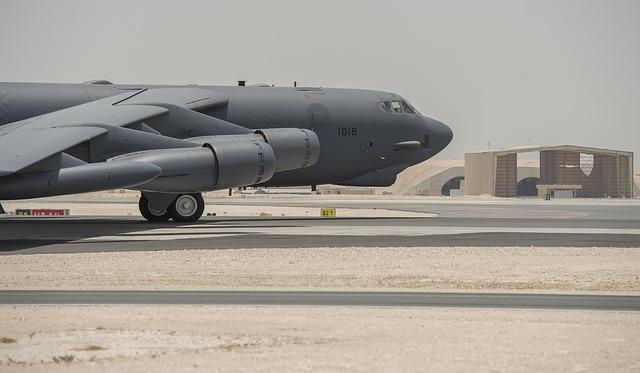
In the annals of military history, the B-52 Stratofortress has often been heralded as a formidable weapon of war, known for its sheer firepower and long-range capabilities. However, during the Vietnam War, this iconic bomber fell tragically short of achieving its strategic goals. As the U.S. military deployed B-52s in an effort to crush the Viet Cong and North Vietnamese forces, the results were far from decisive. Instead, the extensive bombing campaigns led to significant unintended consequences, exacerbating anti-American sentiment and failing to undermine the resilience of the Vietnamese fighters. In this article, we delve into the myriad factors that contributed to the B-52’s shortcomings in Vietnam, examining both tactical miscalculations and the broader implications of aerial warfare in a complex guerrilla conflict. As we revisit this critical chapter in military history, we seek to understand how reliance on aerial bombardment inadequately addressed the social and political dynamics at play, ultimately questioning the efficacy of such strategies in the face of determined opposition.
Understanding the Strategic Missteps of the B-52 Campaign in Vietnam
The B-52 campaign in Vietnam, a cornerstone of the American air strategy, was plagued by a series of strategic miscalculations that ultimately undermined its effectiveness. Central to this failure was the overreliance on aerial bombardment as a standalone solution to a multifaceted ground conflict. This approach did not account for the resilience and adaptability of North Vietnamese forces, who evolved their tactics in response to the relentless air assaults. While the B-52s were undoubtedly powerful in terms of payload, they often inflicted damage on infrastructure rather than diminishing the will or capability of the enemy. The lack of a coherent ground strategy to complement the bombing campaign resulted in a debilitating disconnect between air and ground operations, leading to significant missed opportunities on the battlefield.
Furthermore, the psychological impact of the B-52 bombings was misunderstood by U.S. decision-makers. Rather than demoralizing the Vietnamese populace and government, the air raids served to unify and galvanize the resolve of the North Vietnamese. The bombardment’s indiscriminate nature resulted in substantial civilian casualties, which fueled anti-American sentiment both domestically and internationally. Analysts argue that this backlash ultimately led to a diminished effectiveness of the program. The key missteps included a failure to establish clear objectives, an underestimation of the tenacity of North Vietnamese forces, and an imbalanced approach that overly prioritized technological superiority over strategic ground operations.
| Strategic Missteps | Consequences |
|---|---|
| Overreliance on Bombing | Failure to weaken enemy resolve |
| Lack of Ground Support | Ineffective integration of operations |
| Civilian Targeting | Increased anti-American sentiment |
Analyzing the Limitations of Aerial Bombardment in Guerrilla Warfare
The limitations of aerial bombardment in guerrilla warfare become evident when considering the strategic context of the Vietnam War. While the B-52 Stratofortress was engineered for high-intensity conflict, its effectiveness diminished in the face of an elusive and adaptable enemy. The complex terrain of Vietnam played a crucial role, as dense jungles and mountainous regions provided natural cover for guerrilla fighters. This made it challenging for bombers to achieve pinpoint accuracy, often leading to civilian casualties and widespread destruction. The devastating psychological impact of these bombings on local populations further alienated them, ultimately undermining U.S. counterinsurgency efforts.
Furthermore, the resilience of the North Vietnamese and Viet Cong forces illustrated another fundamental flaw in relying on aerial bombardment as a primary tactic. Guerrilla warfare thrives on mobility, stealth, and local support, elements that heavy bombardment fails to dislodge. Instead of breaking the enemy’s will, the B-52 raids often galvanized local resistance against American forces. Despite substantial investment in air power, the inability to disrupt supply lines and communications networks highlighted the inadequacies of this approach. Moreover, the enemies’ capacity to adapt and innovate in tactics overshadowed the destructive potential of airstrikes, revealing an inherent mismatch between the technology of warfare and the reality of people-centric conflicts.
Recommendations for Future Military Strategies in Asymmetric Conflicts
As military engagements in asymmetric conflicts continue to evolve, there is a pressing need for strategies that prioritize adaptability and integration of diverse capabilities. Traditional firepower, such as that exemplified by the B-52, may not always yield the intended outcomes in environments characterized by guerrilla tactics and civilian interaction. Future military strategies should emphasize the importance of intelligence gathering, cognitive warfare, and local partnerships to enhance situational awareness and operational effectiveness. By leveraging technology to improve communication and coordination with local forces, military operations can be tailored to address the unique challenges posed by asymmetric adversaries.
Moreover, a comprehensive approach that combines diplomatic efforts with military tactics could facilitate more sustainable outcomes. This could involve fostering community engagement initiatives that build trust among local populations, which in turn may lead to greater cooperation and intelligence sharing. Instead of relying solely on heavy bombardment, future strategies could benefit from a focus on targeted operations that minimize civilian casualties and disrupt enemy networks. The following table outlines key components for future military engagements:
| Strategy Component | Description |
|---|---|
| Intelligence Expansion | Utilize advanced surveillance technologies to gain real-time insights into enemy movements. |
| Local Collaboration | Build alliances with local groups to gain trust and gather critical information. |
| Cognitive Tactics | Employ psychological operations to undermine enemy morale and support. |
| Adaptable Response | Shift tactics based on the evolving landscape and insurgent strategies. |
In Retrospect
In conclusion, the B-52 Stratofortress, once hailed as a symbol of American military prowess, ultimately fell short of its strategic objectives during the Vietnam War. Despite its formidable firepower and technological advancements, the aircraft’s inability to adapt to the complexities of guerrilla warfare, compounded by challenging terrain and shifting political dynamics, underscored the limitations of conventional military strategies in unconventional conflicts. As policymakers and military strategists reflect on this chapter of history, the lessons learned from the B-52’s deployment in Vietnam serve as a reminder of the importance of understanding the geopolitical landscape and the unique nature of warfare. The legacy of the B-52 may persist in the skies, but its failure to bring about a decisive victory in Vietnam is a cautionary tale that continues to resonate in today’s foreign policy debates.