
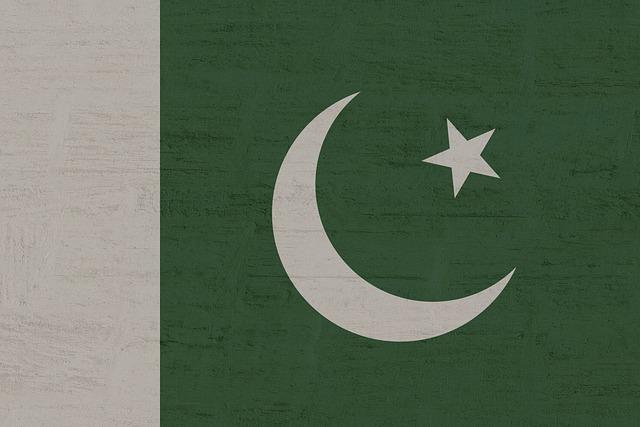

In a dramatic escalation of hostilities, Pakistan has launched a series of airstrikes on Kabul, declaring an ‘open war’ against Afghanistan amidst ongoing border tensions. This military action follows several months of skirmishes along the two countries’ porous frontier, marked by frequent clashes between border security forces and militant groups. The conflict has raised alarms in the international community, as calls for dialogue and resolution grow increasingly urgent. Analysts warn that this sudden shift in Pakistan’s military strategy could destabilize an already volatile region, prompting concerns over the humanitarian impact on civilians caught in the crossfire. As both nations brace for the repercussions of this aggressive escalation, the situation remains fluid, with potential ramifications extending far beyond their borders.
Pakistan Escalates Tensions with Afghanistan Following Recent Border Clashes
The ongoing conflict between Pakistan and Afghanistan has reached alarming new heights, following a series of border clashes that escalated dramatically over the past few months. In a bold move, Pakistan has launched aerial bombings in Kabul, marking a stark shift in relations between the neighboring countries. Analysts suggest that the decision to escalate military actions stems from a combination of rising tensions due to territorial disputes and cross-border militant activities. Pakistan’s leaders are claiming that these actions are necessary to ensure national security and curb threats emanating from Afghan territory.
Recent reports indicate that civilian casualties and military losses are on the rise, compelling both nations to reassess their stances. Pakistan has branded its military strategies as a declaration of “open war,” intensifying fears of a prolonged conflict. The repercussions of this escalation extend beyond immediate military actions, affecting regional stability and international relations. Compounding this crisis, humanitarian organizations are raising alarms over potential displacement of civilians and increasing humanitarian needs in the wake of ongoing violence. Key factors influencing this tumultuous situation include:
- Increased militant activity along the border
- Historical grievances that shape bilateral relations
- Geopolitical interests of larger powers in the region
Analyzing the Impact of Military Actions on Regional Stability and Security
The recent escalation between Pakistan and Afghanistan marks a significant turning point in the already volatile security landscape of the region. Following months of border skirmishes, Pakistan’s decision to launch airstrikes in Kabul under the banner of “open war” has raised alarms regarding regional stability. Analysts suggest that this military action could potentially lead to a broader conflict, exacerbating tensions not only between the two countries but also influencing neighboring states. The implications of such hostilities may include the following:
- Increased Refugee Flow: A surge in Afghan refugees could strain resources and create humanitarian crises in bordering nations.
- Terrorist Resurgence: The instability may provide fertile ground for extremist groups to exploit the chaos for their gain.
- Regional Alliances Shifting: Countries may be forced to reassess alliances, further complicating diplomatic relations in South Asia.
In light of these developments, it is essential to consider the potential shifts in military resources and strategies as both nations brace for uncertain futures. Below is a table summarizing key military capabilities of both nations that could influence the unfolding situation:
| Country | Military Strength | Current Alliances |
|---|---|---|
| Pakistan | Over 650,000 active personnel | China, Turkey, Saudi Arabia |
| Afghanistan | Approximately 300,000 active personnel | USA (logistical support), India |
The situation remains fluid, with regional players closely monitoring the implications of military escalations. The long-term effects on security dynamics will depend significantly on both countries’ responses in the coming weeks, as well as the regional and international consortia’s diplomatic approaches to mediation and conflict resolution.
Potential Pathways to De-escalation and Peaceful Resolution in South Asia
In light of the recent escalation in hostilities between Pakistan and Afghanistan, pursuing routes for de-escalation becomes increasingly vital for the stability of South Asia. Diplomatic channels must be strengthened, providing frameworks for dialogue to replace the ongoing military confrontations. Engaging in multilateral negotiations involving regional powers could serve as a catalyst for easing tensions. Moreover, confidence-building measures, such as the establishment of joint border monitoring committees, could help address security concerns in a cooperative manner and foster mutual trust.
In addition to diplomatic efforts, promoting civil society engagement can play a transformative role in the peace process. Grassroots initiatives that encourage cultural exchanges and economic cooperation can help bridge the divide between communities on both sides of the border. Policymakers should consider the following strategies as part of a comprehensive peace plan:
| Strategy | Description |
| Enhanced Trade Relations | Facilitate cross-border trade to provide economic incentives for stability. |
| Back-Channel Talks | Create informal communication channels to resolve misunderstandings. |
| Joint Humanitarian Efforts | Collaborate on health and education projects benefiting both populations. |
In Conclusion
As tensions continue to escalate in the region, Pakistan’s declaration of an “open war” against Afghanistan marks a significant and alarming development in a conflict that has already claimed numerous lives. The recent bombings in Kabul serve as a stark reminder of the fragility of peace and the deep-rooted issues that persist along the border. Both nations face the urgent challenge of addressing the underlying grievances that have fueled months of violent clashes, as civilian populations bear the brunt of military confrontations. The international community now watches closely, concerned about the potential for further escalation and its implications for regional stability. With diplomatic solutions appearing increasingly distant, the coming days and weeks will be critical in determining the trajectory of this volatile relationship and the humanitarian impact on millions caught in the crossfire.