Democratic Republic of the Congo: A Tapestry of Resources, Power, and Economic Challenges
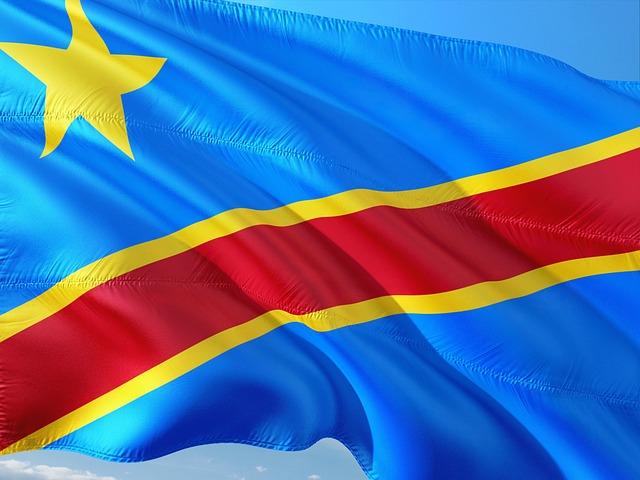
In the heart of Africa lies the Democratic Republic of the Congo (DRC), a nation rich in natural resources and cultural diversity, yet plagued by political turmoil and economic instability. Known for its vast rainforests and the mighty Congo River, the DRC is a land of stunning contrasts. While it possesses abundant minerals-including diamonds, cobalt, and gold-these riches have often fueled conflict and corruption rather than prosperity. In this article, we explore the intricate dynamics of the DRC’s resources, the power struggles that shape its political landscape, and the challenges its economy faces in the 21st century. As the world seeks sustainable solutions and investment opportunities, understanding the DRC’s complex interplay of wealth and governance is more crucial than ever.
Examining the Wealth Beneath: Unpacking the DRC’s Abundant Natural Resources
The Democratic Republic of the Congo (DRC) is often described as one of the richest regions in terms of natural resources, yet paradoxically remains one of the poorest countries globally. The DRC is endowed with vast reserves of minerals and raw materials, which are vital for both local economies and global markets. Among its most notable resources are copper, cobalt, diamond, and gold, each playing crucial roles in technological and industrial processes worldwide. The DRC accounts for a significant portion of the world’s cobalt supply, a key element in the manufacturing of lithium-ion batteries for electric vehicles, further intensifying the geopolitical interest in this resource-rich nation. However, the wealth generated from these resources does not equate to wealth for the Congolese population, where a substantial segment remains trapped in poverty.
Compounded by decades of conflict and mismanagement, the extraction of these resources often leads to environmental degradation and human rights abuses. The challenge lies in creating a sustainable framework that ensures the local communities benefit from their land’s riches. The current landscape showcases a myriad of issues, including illegal mining activities and insufficient regulations. To paint a clearer picture, consider the following elements that outline the DRC’s resource landscape:
- Copper: Major exporter with high global demand, particularly in construction and electronics.
- Cobalt: Essential for battery production, making the DRC pivotal in the green energy transition.
- Diamonds: A historic resource contributing to both legal and illicit markets.
- Gold: A symbol of wealth for many, yet often linked to socio-political conflict.
| Resource | Estimated Reserves | Primary Uses |
|---|---|---|
| Copper | 150 million tons | Electronics, construction |
| Cobalt | 7 million tons | Batteries, aerospace |
| Diamonds | 150 million carats | Jewelry, industrial |
| Gold | 1,200 tons | Jewelry, reserves |
Navigating Turbulent Waters: The Interplay of Power and Economy in the DRC
The Democratic Republic of the Congo (DRC) stands at a critical junction where the complexities of power dynamics and economic aspirations collide. This nation, rich in resources such as cobalt, gold, and diamonds, is often overshadowed by a history of political instability and conflict, resulting in a convoluted relationship between governance and resource management. Corruption, foreign exploitation, and local disempowerment have eroded public trust, leaving citizens questioning the benefits of their country’s immense wealth. Key players in this arena include both local and multinational corporations, as well as foreign governments, each vying for a share of the DRC’s lucrative assets.
Amidst this backdrop, the populace remains hopeful, striving for an economic renaissance that has often eluded them. Grassroots movements are gaining traction, advocating for transparency and fair distribution of wealth to combat the decades of misrule. Moreover, the DRC’s political landscape is shifting, with an emerging younger generation of leaders committed to reform. However, challenges abound, such as entrenched elite interests and ongoing violence in resource-rich regions. The path towards sustainable development demands a concerted effort from all stakeholders to align economic growth with democratic principles, ensuring that the DRC’s resources benefit its people rather than serve as a catalyst for conflict.
| Resource | Significance |
|---|---|
| Cobalt | Essential for batteries and green technology |
| Gold | Major source of foreign currency and investment |
| Diamonds | Luxury market and economic leverage |
| Tantalum | Critical for electronics manufacturing |
Building a Sustainable Future: Recommendations for Resource Management and Economic Growth in the DRC
The Democratic Republic of the Congo (DRC) stands at a pivotal juncture, where the balance between resource exploitation and sustainable economic development must be carefully navigated. To address the pressing challenges of resource management, stakeholders should consider the following essential strategies:
- Enhance Governance Structures: Establish transparent policies and regulations that hold corporations accountable for environmental and community impacts.
- Promote Local Involvement: Empower local communities by involving them in resource management decisions, ensuring that they benefit from the wealth generated by their natural resources.
- Invest in Renewable Energy: Shift focus towards sustainable energy sources to reduce dependency on fossil fuels, while providing electricity access to rural areas.
In addition to these strategies, fostering partnerships between government, private sector, and civil society is crucial for long-term success. A concerted effort can help the DRC leverage its vast natural resources while safeguarding the environment. Key recommendations include:
- Implementing Fair Trade Practices: Ensure fair compensation for resource extraction, contributing to poverty alleviation.
- Encouraging Sustainable Agriculture: Promote practices that reduce deforestation and enhance food security.
- Establishing Conservation Zones: Protect vital ecosystems through designated areas that balance ecological integrity with economic interests.
| Resource Type | Potential Impact |
|---|---|
| Mining | Job Creation, Environmental Degradation |
| Forestry | Carbon Sequestration, Biodiversity Loss |
| Agriculture | Food Security, Land Degradation |
Key Takeaways
In conclusion, the Democratic Republic of the Congo stands at a crucial crossroads, where its abundant natural resources could either propel its economy to new heights or exacerbate existing challenges. As the nation navigates the intricate balance between leveraging its wealth-spanning from minerals like cobalt to vast agricultural potential-and addressing governance and infrastructure needs, the world watches closely. The path forward will require not only effective leadership but also sustained international engagement that promotes sustainable growth, social equity, and environmental stewardship. With the right focus and investment, the DRC has the potential to transform its rich tapestry of resources into lasting prosperity for its people.