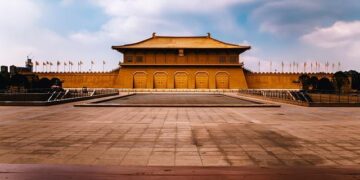
SOM Partners with Gad to Innovate Hangzhou Science and Technology District
In a bold move to redefine urban innovation, renowned architecture and design firm Skidmore, Owings & Merrill (SOM) has announced its collaboration with Gad, a prominent design studio, to spearhead the development of the Hangzhou Science and Technology Innovation District in China. This ambitious project aims to create a dynamic hub for research and technological advancement, further establishing Hangzhou as a beacon of innovation in the 21st century. With a vision to integrate sustainable practices and cutting-edge design, the partnership signifies a commitment to not only enhance the urban landscape but also to foster an ecosystem that supports growth and creativity in science and technology. As cities worldwide grapple with the challenges of rapid urbanization and environmental sustainability, the Hangzhou initiative stands out as a pioneering model for the future of smart city design and development.
SOM’s Vision for a Sustainable Future in Hangzhou Science and Technology Innovation District
In an era where urban development and environmental consciousness must go hand in hand, the vision for the Hangzhou Science and Technology Innovation District embraces a future that prioritizes sustainability as a cornerstone of innovation. SOM recognizes the need for a multi-layered approach that incorporates green infrastructure, renewable energy sources, and effective waste management solutions. Central to this vision is the commitment to create spaces that not only foster technological advancement but also nurture the community and the environment. Key initiatives include:
- Biophilic Design: Integrating natural elements to enhance well-being and productivity.
- Smart Mobility: Implementing a transport network that promotes walking, cycling, and electric public transit.
- Energy Efficiency: Utilizing state-of-the-art materials and technologies for reduced energy consumption.
- Green Public Spaces: Designing parks and recreational areas that encourage social interaction and biodiversity.
Furthermore, the project aims to establish a circular economy within the district, encouraging businesses to reduce waste, reuse materials, and recycle resources. To facilitate this, SOM plans to implement innovative technologies that monitor and enhance resource use throughout the district. A collaborative framework will be established, inviting startups, researchers, and citizens to contribute ideas and solutions. The following table outlines the anticipated sustainable features of the district:
| Feature | Description | Impact |
|---|---|---|
| Solar Panels | Installed on roofs and building facades | Reduction in carbon footprint |
| Rainwater Harvesting | Collecting and reusing rainwater for irrigation | Water conservation |
| Green Roofs | Vegetated roofs that insulate and provide habitats | Improved air quality |
| Community Gardens | Spaces for residents to grow food and cultivate community | Enhanced local food security |
Integrating Technology and Community: Design Strategies Proposed by SOM
In a groundbreaking proposal for the Hangzhou Science and Technology Innovation District, SOM emphasizes the importance of forging meaningful connections between technology and the community. The design strategies focus on creating dynamic public spaces that foster collaboration and innovation. Integral to this approach are green spaces, flexible work environments, and community-centered amenities, which are designed to promote interaction among residents, researchers, and entrepreneurs.
The architecture will feature a mix of intelligent infrastructure and sustainable design, ensuring that the district not only accommodates technological advancements but also considers the well-being of its inhabitants. Key components of the proposal include:
- Integrated Mobility Solutions: Seamless connections between public transport and pedestrian pathways.
- Interactive Public Spaces: Areas designed for events, exhibitions, and community meetings.
- Smart Building Technologies: Real-time data usage to optimize energy efficiency and user comfort.
| Concept | Description |
|---|---|
| Community Hubs | Spaces that serve as focal points for innovation and collaboration. |
| Eco-Friendly Initiatives | Incorporation of renewable energy sources and sustainable practices. |
| Cultural Integration | Design elements that reflect and celebrate local heritage. |
Enhancing Urban Connectivity: Recommendations for Efficient Transportation in the Innovation District
Efficient transportation is paramount for maximizing the potential of the Hangzhou Science and Technology Innovation District. By embracing a multimodal approach, the district can enhance accessibility while reducing congestion and environmental impact. Key recommendations include:
- Integrated Public Transit System: Develop a seamless network of buses, trams, and metro lines that connect major hubs within the district and to surrounding areas.
- Bicycle and Pedestrian Pathways: Design extensive bike lanes and pedestrian walkways that promote active transportation, ensuring safety and convenience for non-motorized users.
- Smart Mobility Solutions: Implement smart traffic management systems and mobility apps to provide real-time information and facilitate shared transportation options.
- Green Vehicle Initiatives: Promote the use of electric and hybrid vehicles through charging stations and incentives, encouraging sustainable transportation choices.
To support these initiatives, the coordination between local authorities, transportation agencies, and technology firms is crucial. Creating an interactive transportation hub that integrates data and services can foster collaboration and innovation. A proposed framework includes:
| Innovative Transportation Solutions | Implementation Timeline | Responsible Entities |
|---|---|---|
| Smart Traffic Management | Short-term (1-2 years) | Civic Tech Firms |
| Public Transit Expansion | Medium-term (3-5 years) | City Transport Authority |
| Bicycle Infrastructure Development | Short-term (1-3 years) | Urban Planning Department |
| Electric Vehicle Initiatives | Long-term (5-10 years) | Private Sector Partnerships |
Final Thoughts
In conclusion, the collaboration between SOM and the Hangzhou government marks a pivotal step in the evolution of the Hangzhou Science and Technology Innovation District. As urban centers worldwide grapple with the challenges of rapid development and sustainability, this ambitious project stands out as a beacon of innovation and forward-thinking design. Emphasizing sustainability, inclusivity, and cutting-edge technology, the district aims not only to foster economic growth but also to cultivate a vibrant, interconnected community. As construction progresses, all eyes will be on Hangzhou to see how this visionary approach to urban design unfolds, potentially setting a new standard for innovation districts around the globe. The future of urban living may well be taking shape in Hangzhou.